Field Note
When Two Lion Cubs Ran Too Far
I remember asking why their mother wasn't following them. A few minutes later, only one came back.
By Nature Zi — wildlife photographer and safari guide based in Nairobi, Kenya, with 15 years of field experience across East Africa, including the Maasai Mara and Serengeti.
That morning, I had a bad feeling before anything had actually happened.
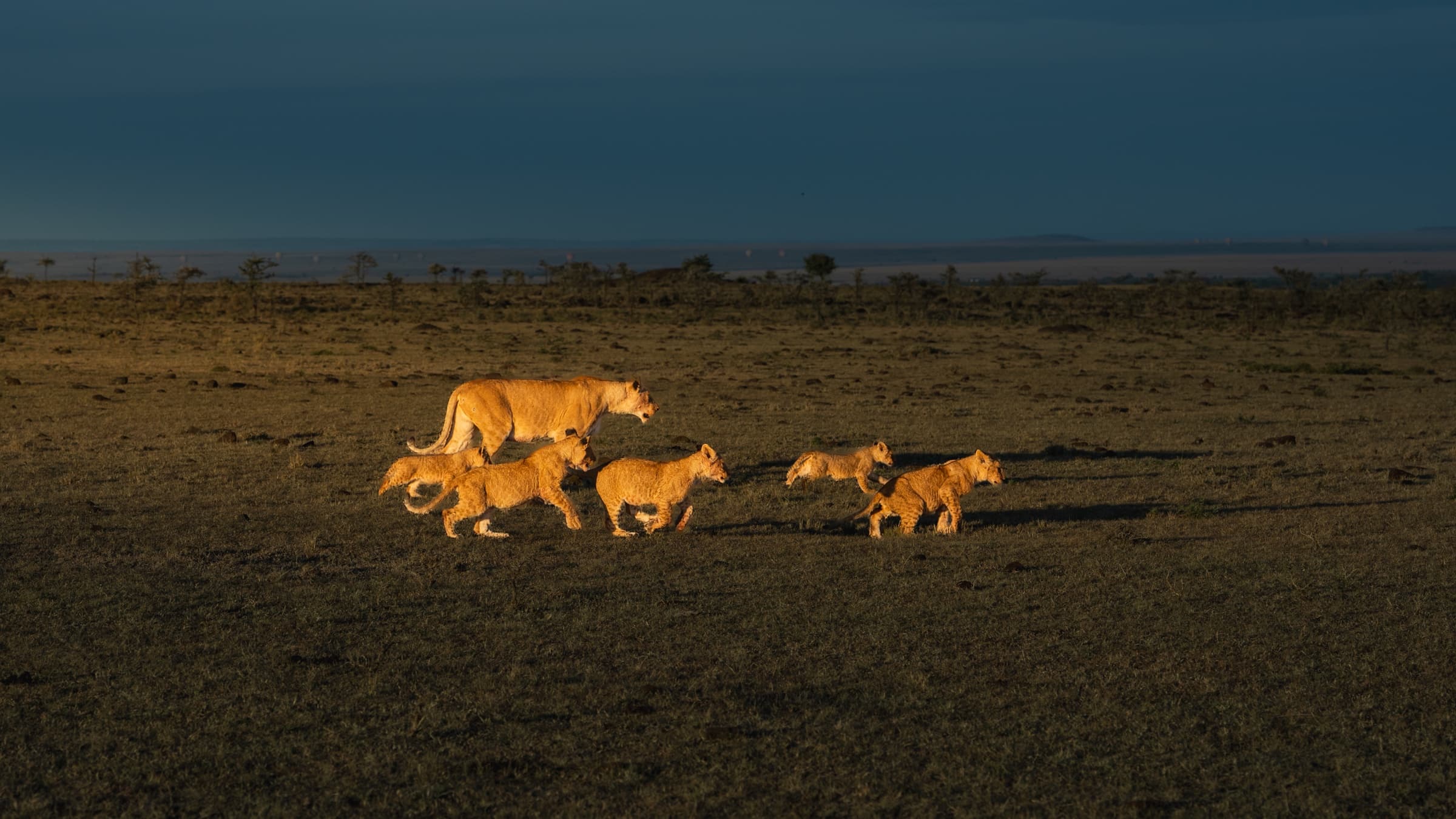
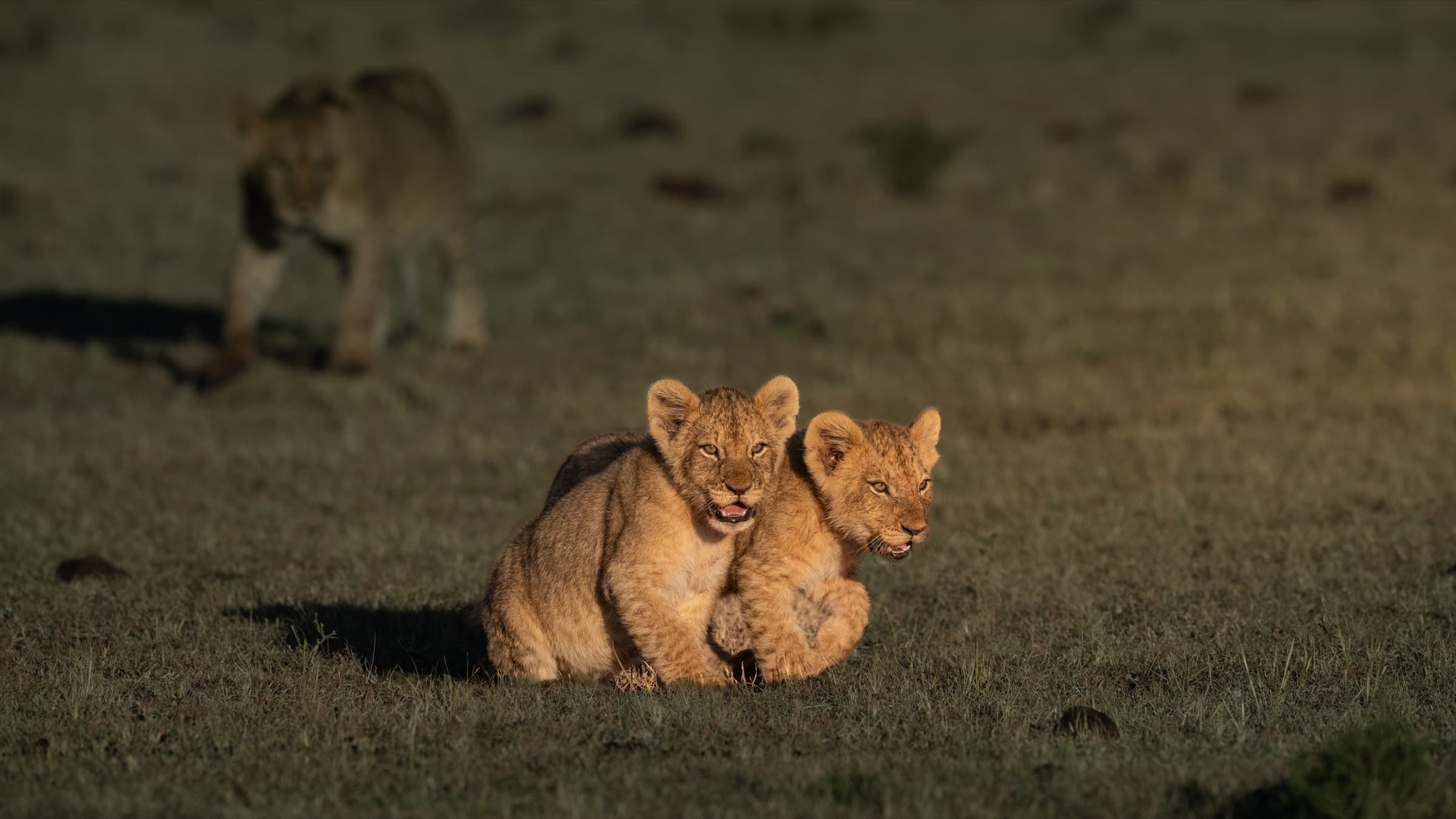
Two lion cubs, only around three months old, were moving farther away from the pride.
At first, there was nothing dramatic about it.
They were young. Curious. Moving through the open plain.
But as the distance grew, I remember saying something to the people in my vehicle:
"Why isn't the mother following them?"
I didn't know what was going to happen.
I only felt they had gone too far.
A short time later, only one came back.
Three Wildebeest
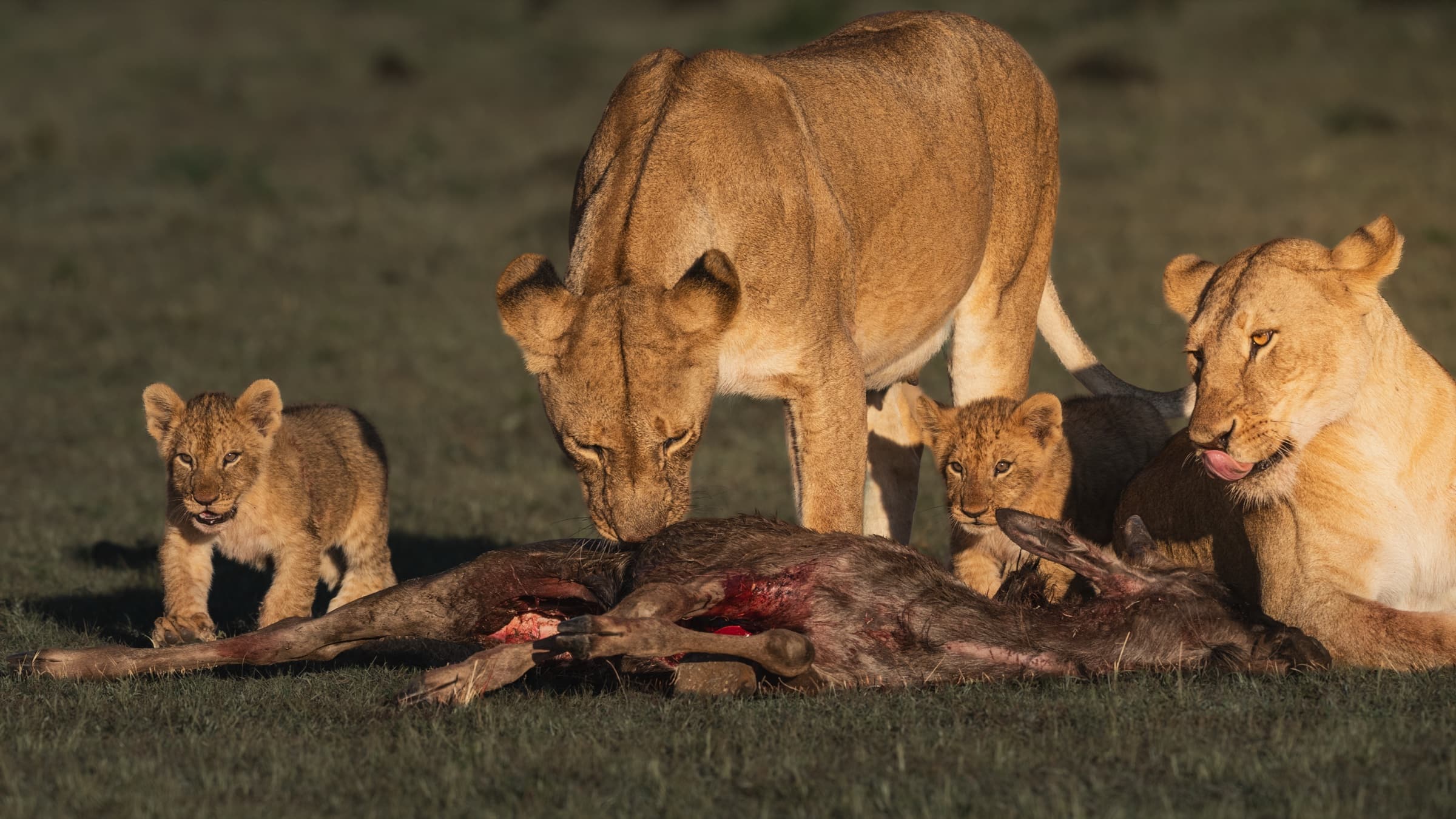
The night before, the pride had killed three wildebeest.
By the time I arrived that morning, the adults and older cubs were still feeding. The pride was settled around the carcasses. This was not a moment of urgency for them.
Two younger cubs had no particular reason to stay close to the food. They moved away from the group, the way young animals do.
There was nothing alarming about it initially.
But the distance continued to grow.
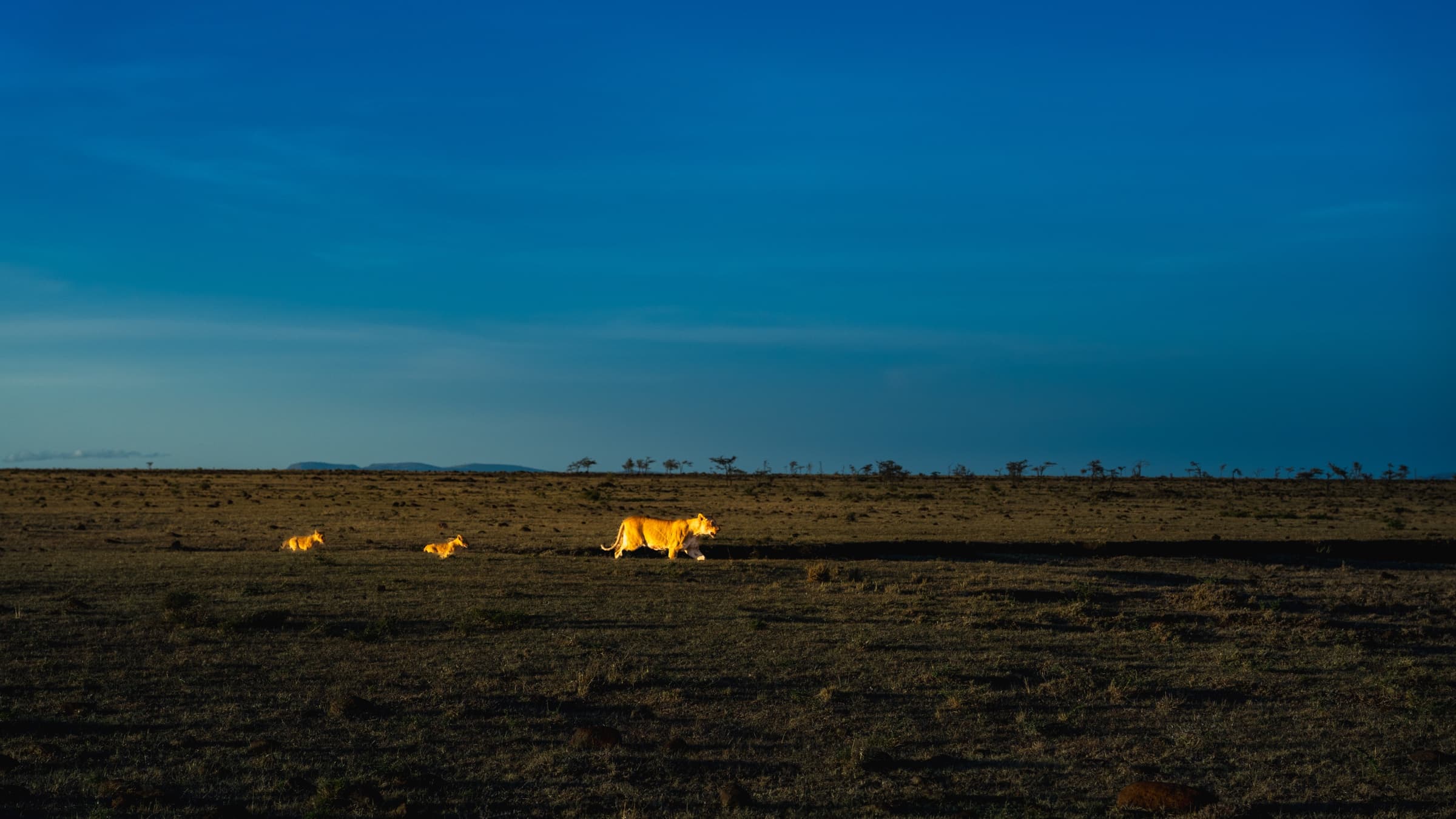
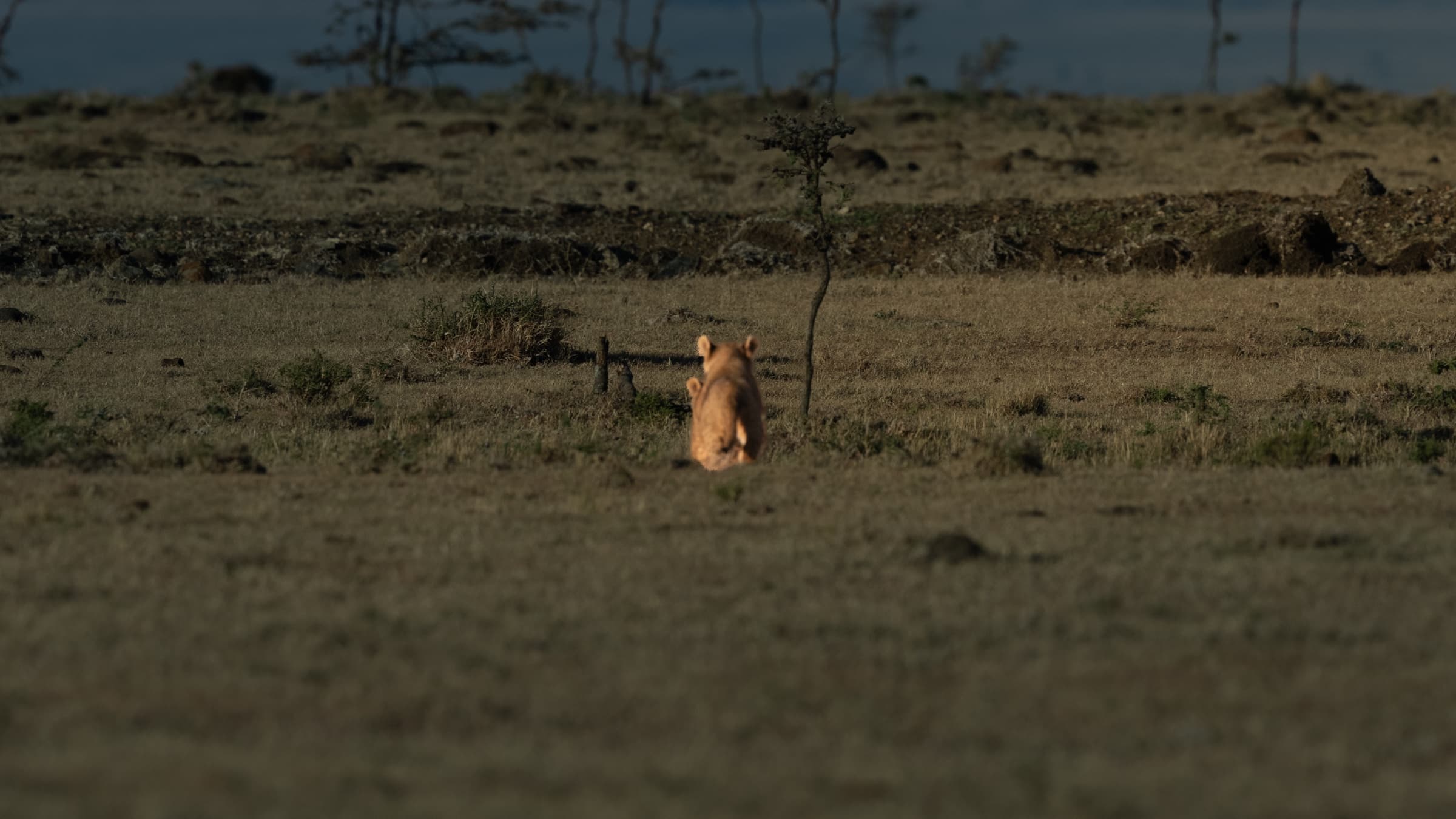
By the time I began paying closer attention, those two cubs were roughly five hundred metres from where the lioness remained.
Five hundred metres does not sound very far.
From inside a safari vehicle, it feels like almost nothing.
But for two lion cubs only a few months old, that distance had changed the situation completely.
I Had Already Felt Something Was Wrong
I have been working in the field for a long time.
I did not know a hyena was coming. I could not have.
I simply felt that the distance between those cubs and their mother had become uncomfortable.
This is not the same as predicting what would happen. There are no predictions like that in the field.
What it means is that years of watching wildlife slowly changes what you notice.
Not in any dramatic way.
You start to read the space between animals, not just the animals themselves. You watch what the adults are doing — and what they are not doing. You watch who is paying attention and who has stopped. You notice what is coming from the edges of the frame before it is fully visible.
When I said aloud, "Why isn't the mother following them?", I was not issuing a warning.
I was expressing a feeling that the space had become too large.
The lioness remained at the wildebeest carcasses. The cubs kept moving.
I watched, and I had a bad feeling.
Then Only One Came Back
One cub returned.
My impression was that the cub was unusually quiet. Almost stunned.
That was my impression.
I cannot know what it had seen.
No obvious distress call had been heard.
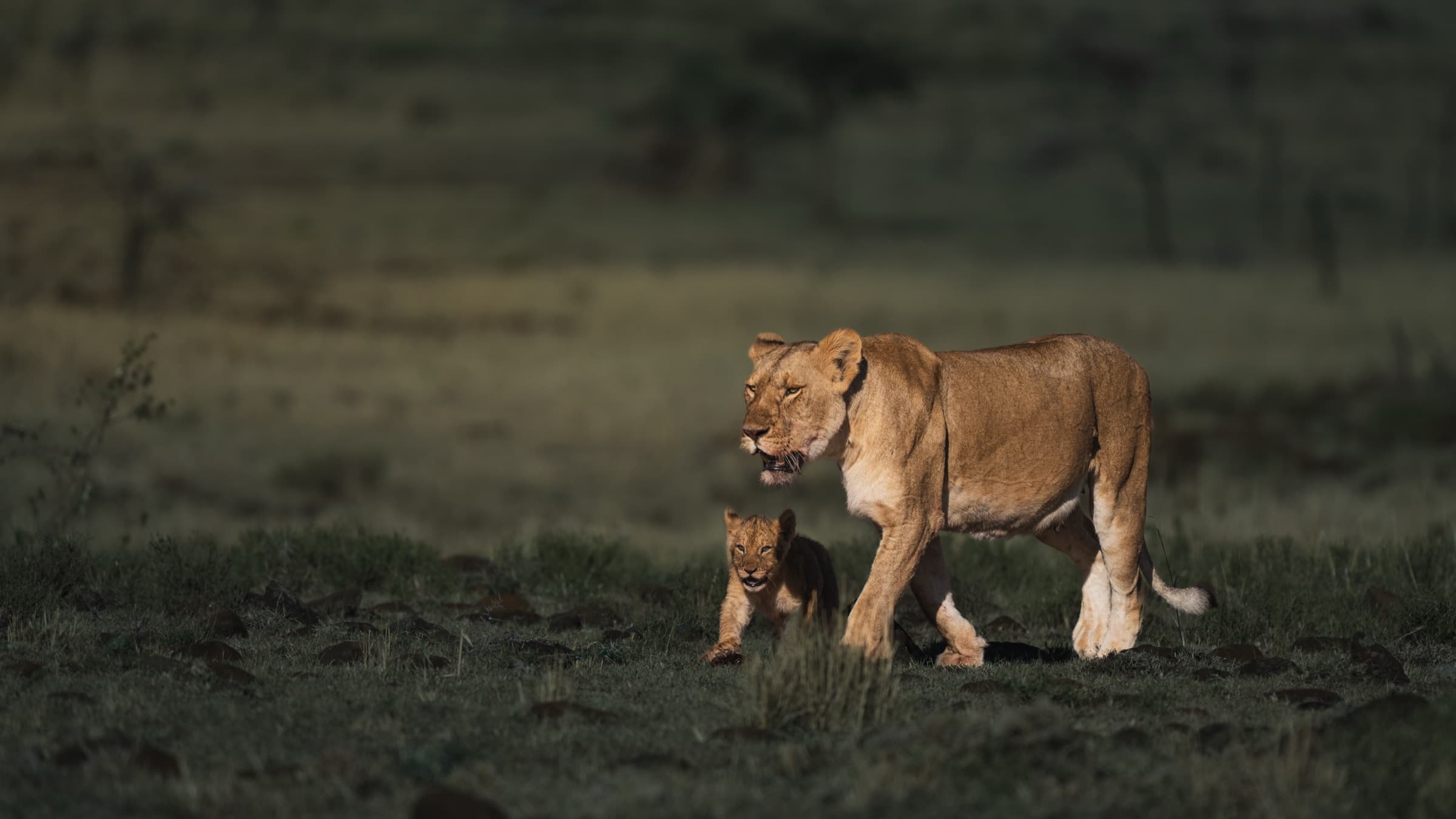
The mother remained near the wildebeest carcass.
From what I observed, there was no sign that the lioness had been alerted to what had happened roughly five hundred metres away.
We Did Not See the Attack
We did not see the attack itself.
I did not see hyenas waiting. I did not see them stalking the cubs.
By that morning, three wildebeest carcasses were already drawing scavengers to the area. Black-backed jackals were present. It is plausible that spotted hyenas were also moving toward the same food source and encountered the cub at that distance from the pride.
That is a reasonable interpretation of what may have happened.
It is not a witnessed fact.
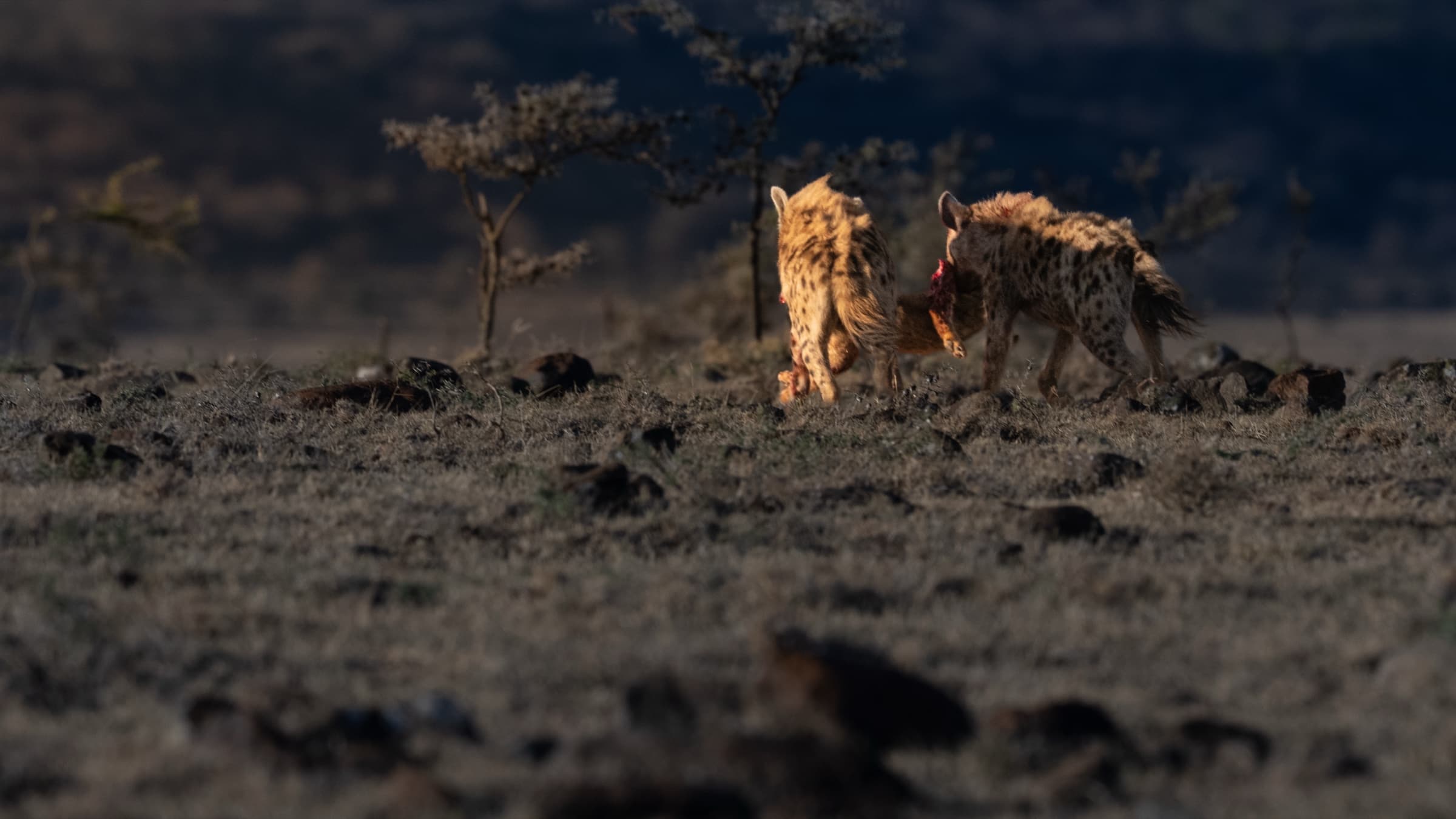
At 7:27 a.m., I photographed two spotted hyenas carrying the cub's body away, one on each side.
A short time later, I photographed them feeding.
The Mother Was Still at the Kill
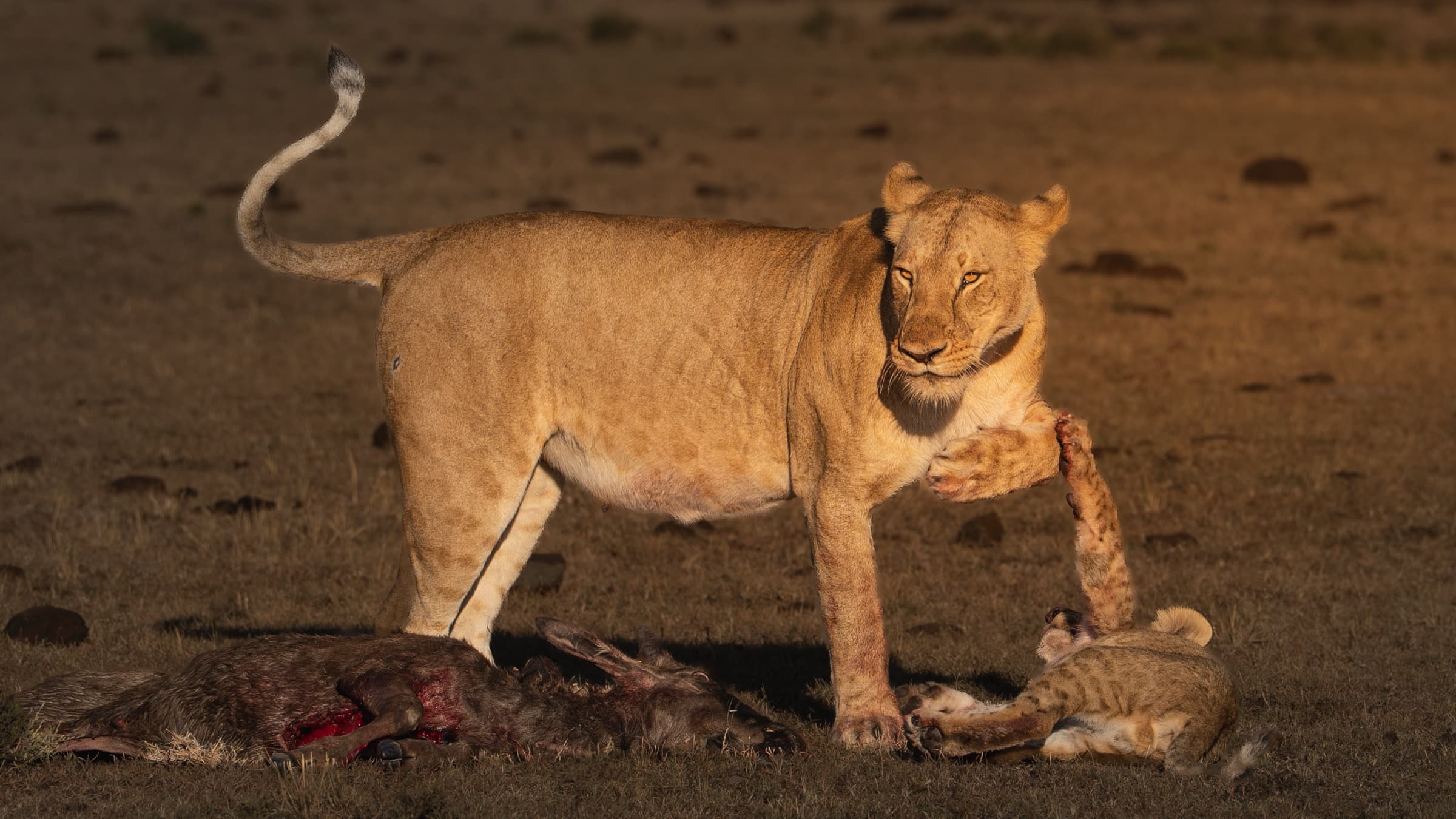
At 7:32 a.m., I photographed the lioness still beside the wildebeest carcass.
While I was at the hyena scene, I did not see her approach.
There was no confrontation between lion and hyena.
No rescue scene.
No moment in which the mother arrived and fought for the cub.
At least, none that I witnessed.
There Are No Villains Here
The same lions had killed three wildebeest the previous night.
Jackals were feeding on what remained. Hyenas live by taking the opportunities available to them.
The savanna does not organize itself around human ideas of fairness.
The hyenas were not waiting for this cub in particular. The cubs were not moving toward them in particular.
Something happened at the intersection of distance and opportunity.
I have spent enough time in the field to understand that this is not unusual.
It is simply the kind of thing that is easy to miss — and harder to talk about when you don't.
Fourteen Minutes Earlier
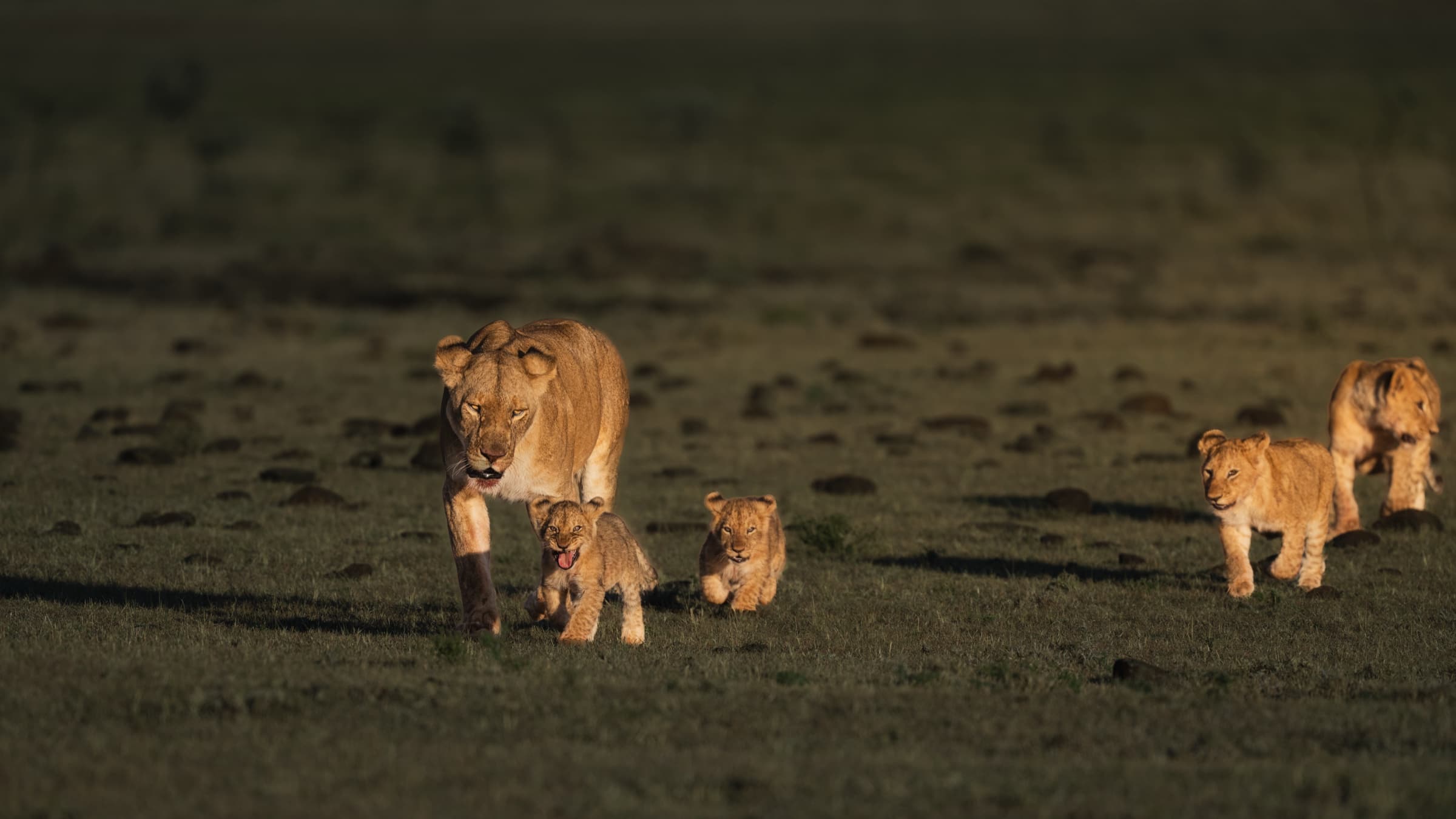
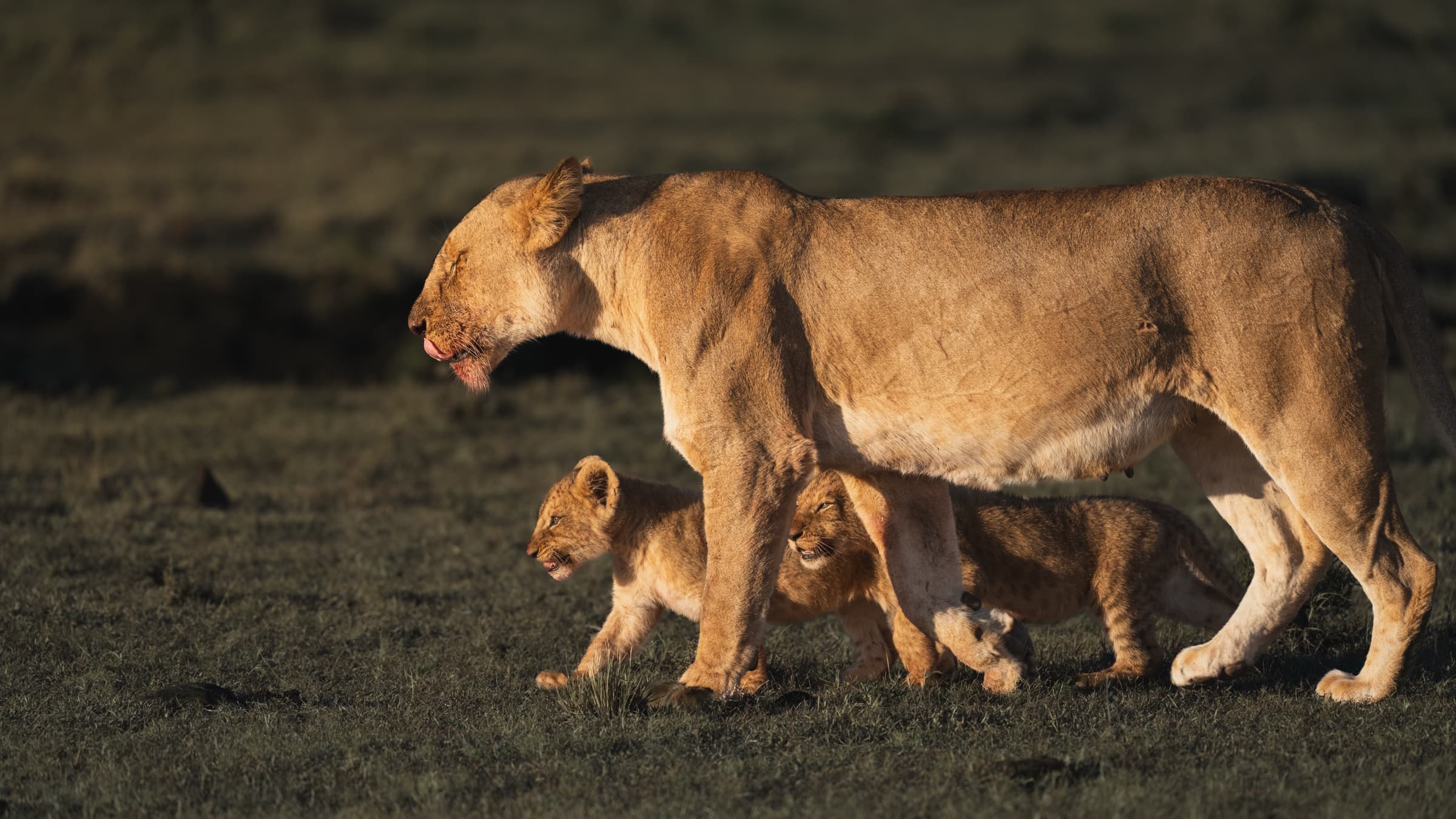
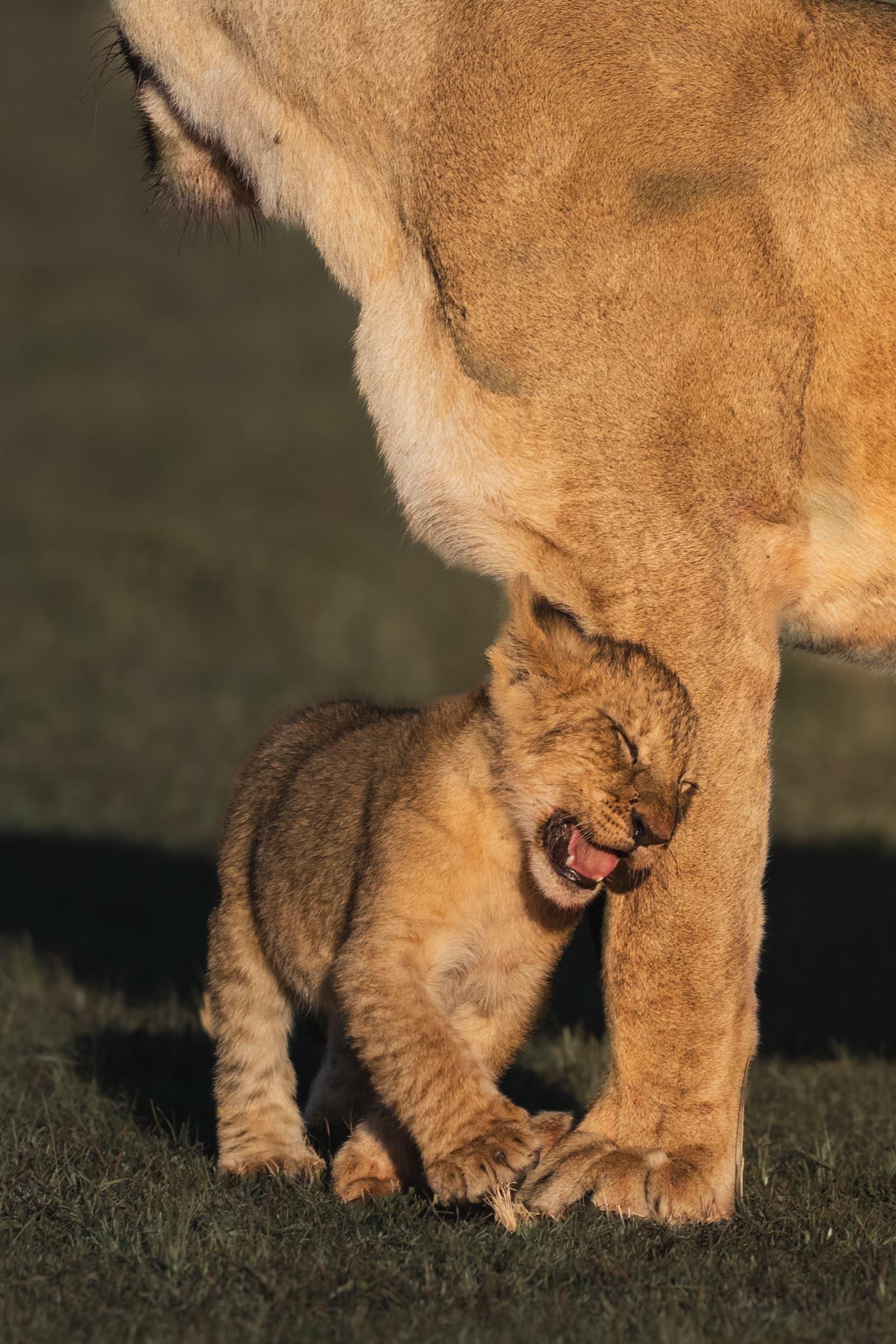
At around 7:13 that morning, I photographed the cub leaning against its mother.
I remember it calling happily.
Fourteen minutes later, I was photographing two spotted hyenas carrying its body away.
The Photograph Changed Afterwards
Later, I went back through the photographs from that morning.
And I found this frame.
The cub was pressed against its mother, calling out.
I remember that moment as a happy one.
Nothing in the photograph tells you what is about to happen.
About fourteen minutes later, I would photograph two spotted hyenas carrying its body away.
The photograph itself has not changed.
What changed is what I now know about it.
It was here.
To be seen is to endure.
— Nature Zi
East Africa