Nature in Wild · Signature Photographic Journey
Calving Season
The Beginning of Life
Tanzania·12 days / 11 nights·February
Join the JourneyThe season
Not simply about seeing newborn animals.
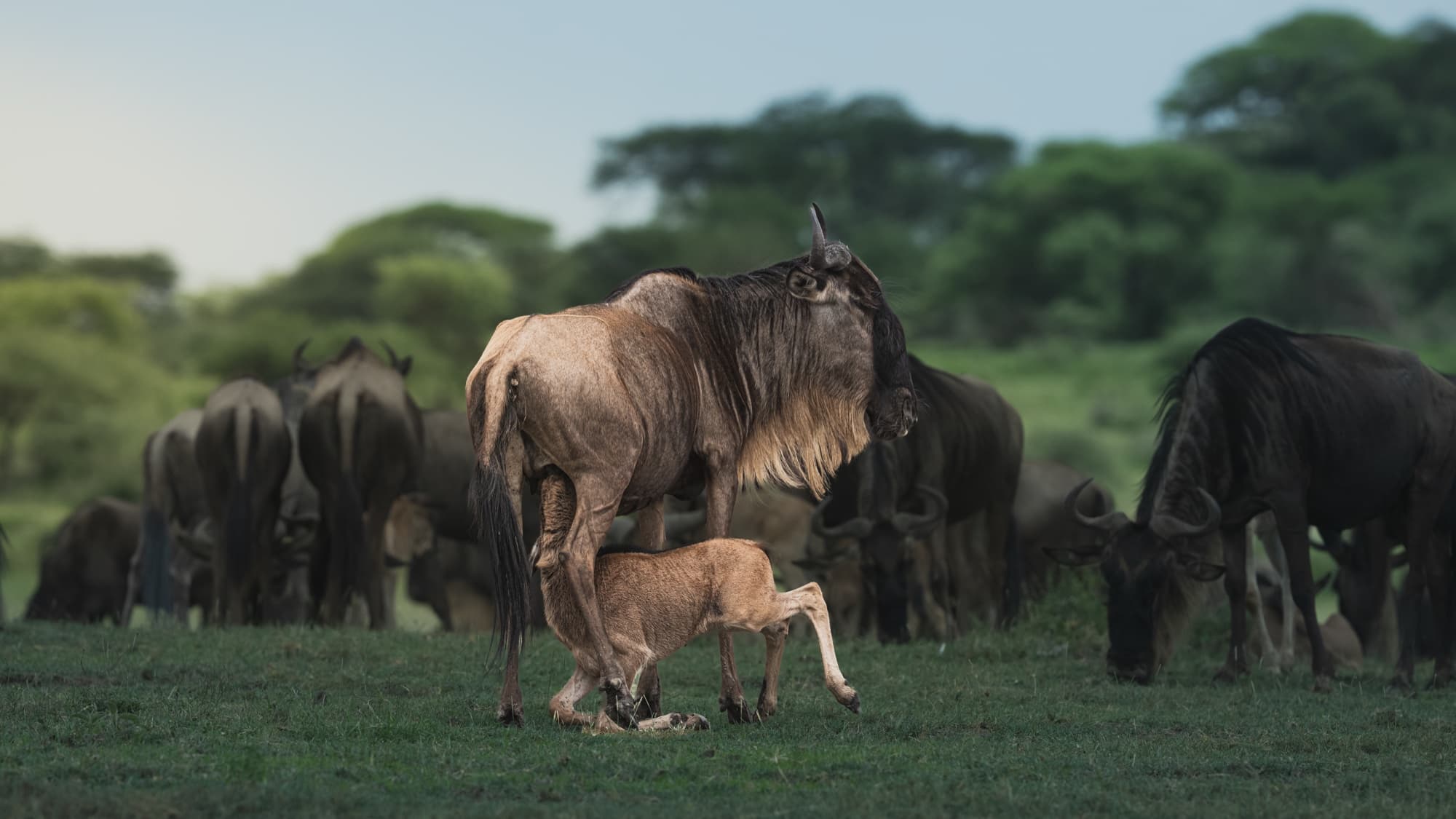
Every year, across the short-grass plains of the southern Serengeti, hundreds of thousands of wildebeest calves enter the world within a remarkably concentrated period.
But this journey is not simply about seeing newborn animals. It is about staying long enough to witness what happens next.
Birth. Bond. First steps. Vulnerability. Predators. Survival. Movement.
Primary season February · window late January – early March. Exact dates and ground shift year to year with the rains.
How the journey works
Follow the wildlife, not the map.
This journey is not designed around how many destinations can be collected. Field time follows wildlife distribution, behaviour, weather and light — and during the calving season that matters more than usual.
The route is a frame, not a schedule. Where the herds are, where a female is close to giving birth, where the predators are working — that is what shapes each day.
We do not promise exact wildlife locations or particular behaviour. We plan for opportunity: the right ground, at the right time of year, with the time and the working space to respond.
The route
Twelve days, weighted toward the plains.
- Arusha1 night
- Tarangire2 nights
- Ngorongoro Crater1 night
- Ndutu4 nights
- Southern Serengeti / Naabi Hill2 nights
- Return to Arusha
Act I
The Giants
Tarangire · 2 nights
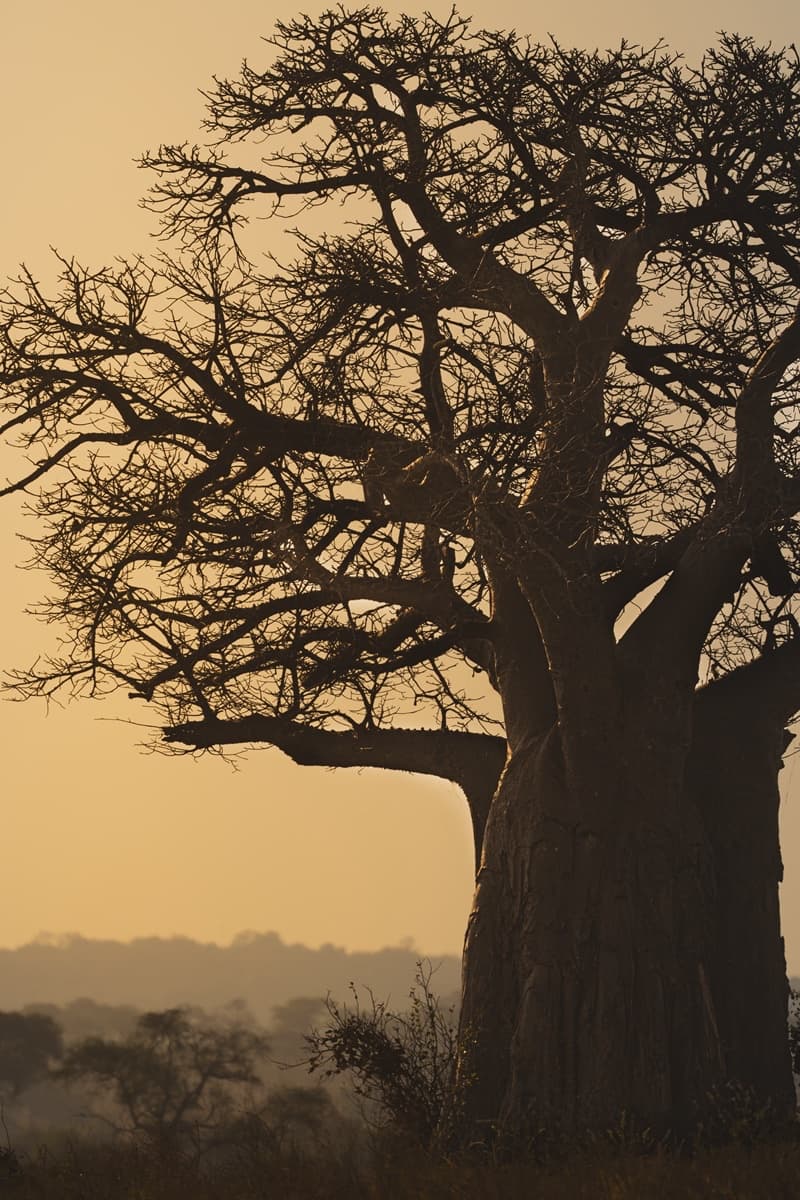
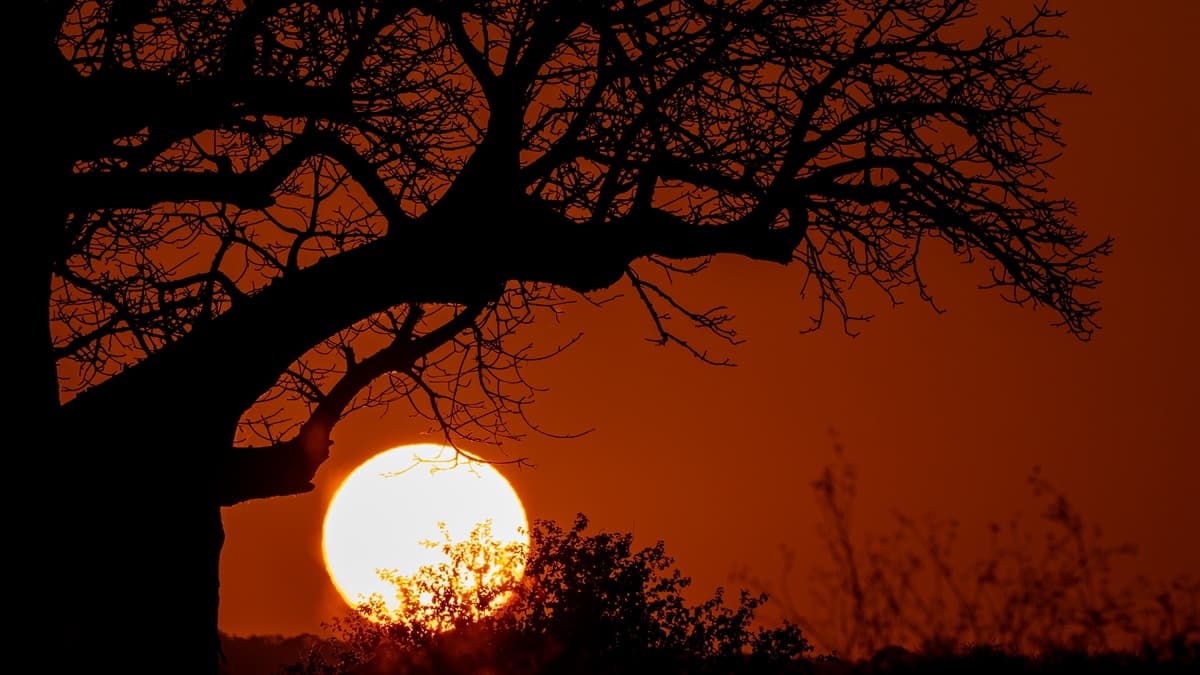
Tarangire opens the journey with land on a different scale — old baobabs, long ridgelines, and the first and last hour of light falling across dry country.
The park is known for the size of its elephant population, drawn in the dry months to the Tarangire River and its swamps. We photograph what the day gives us; the country itself is the subject here.
Act II
Inside the Crater
Ngorongoro · 1 night
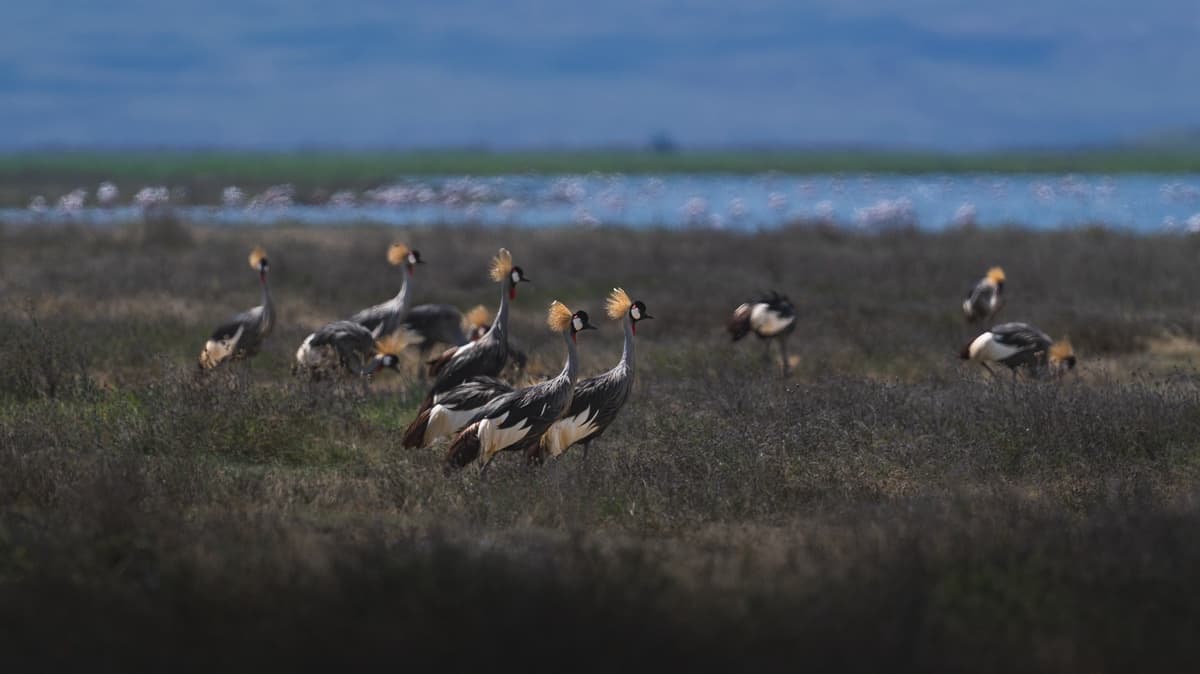
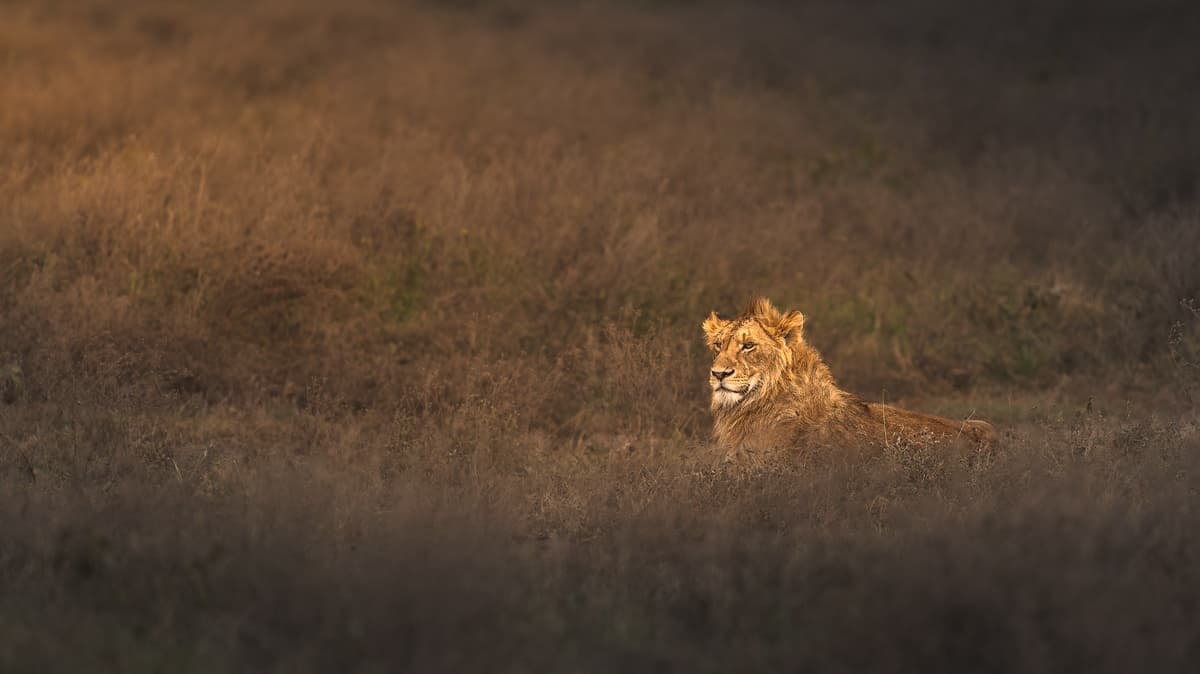
One night on the rim, and a morning on the floor. The Ngorongoro Crater is a whole ecosystem held in a single bowl of land — grassland, marsh, a soda lake, and the predators and prey between them.
It is one of the few places black rhino are still seen on open ground, though seeing one is never a given. It is also a transition: the highlands giving way to the plains that follow.
Act III
The Beginning of Life
Ndutu · 4 nights · the core
Four nights on the calving grounds — long enough to move past the first newborn and stay with the story.
What follows is one telling of it, in the order the plains tend to give it.
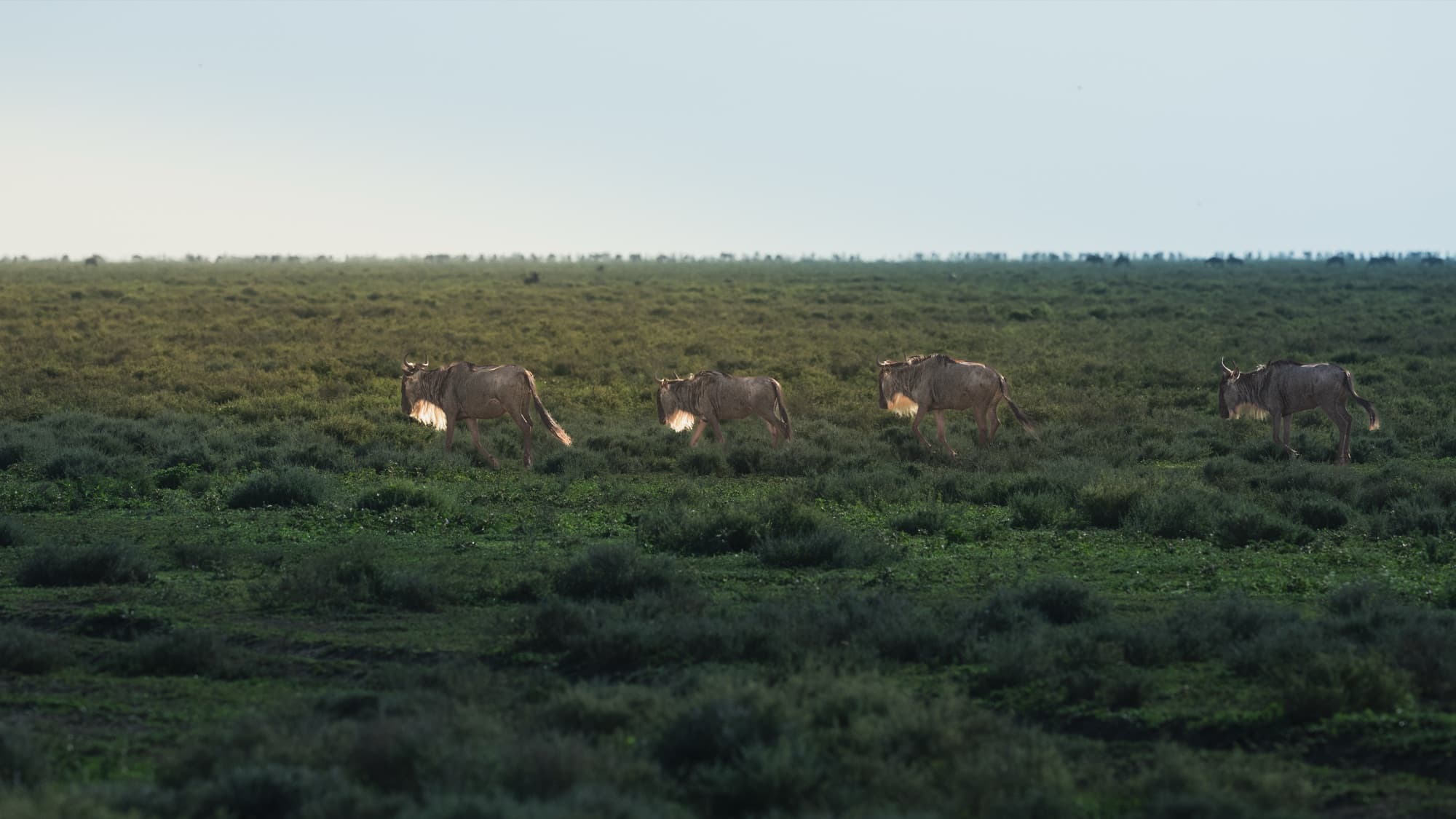
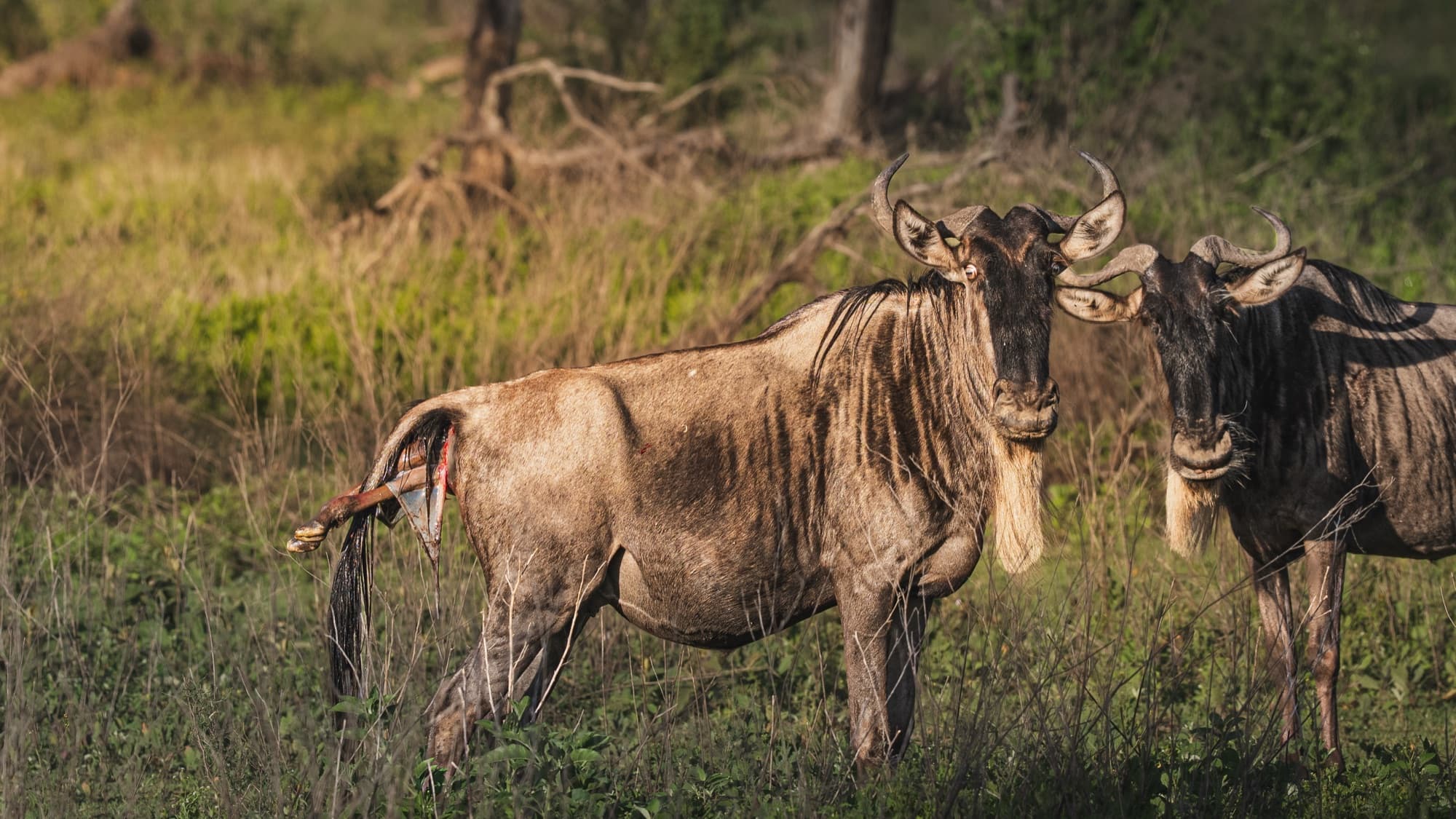
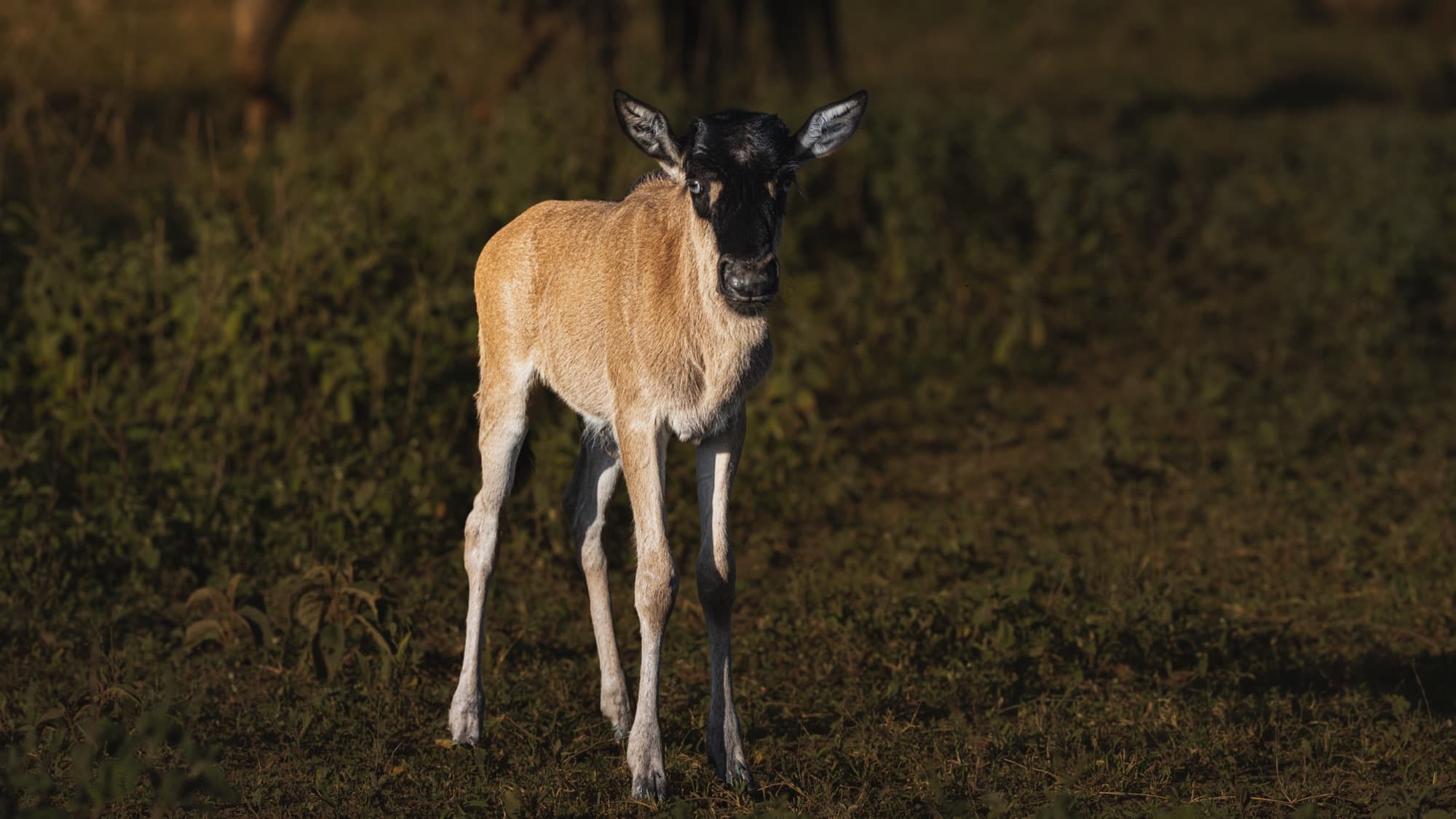
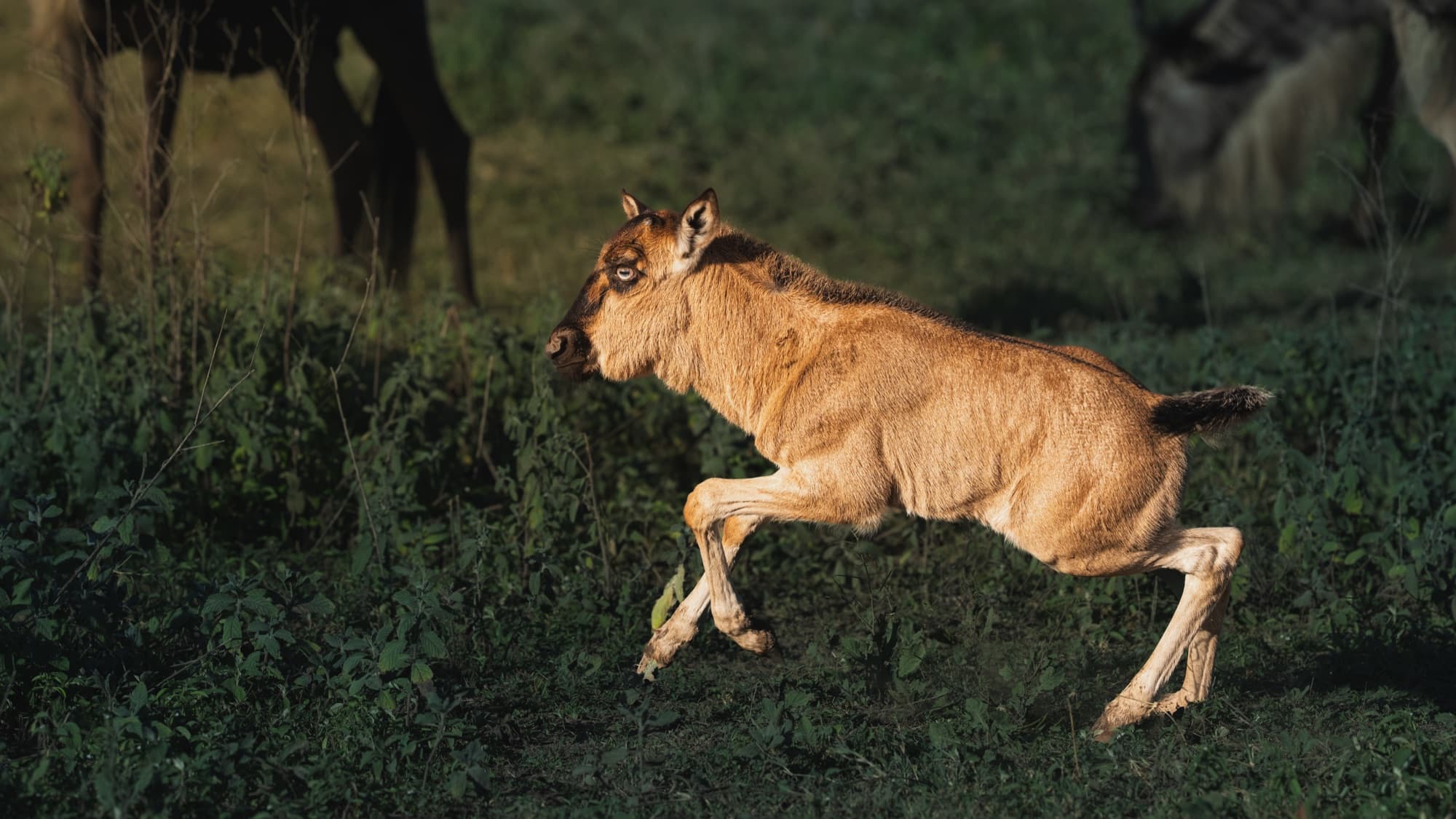
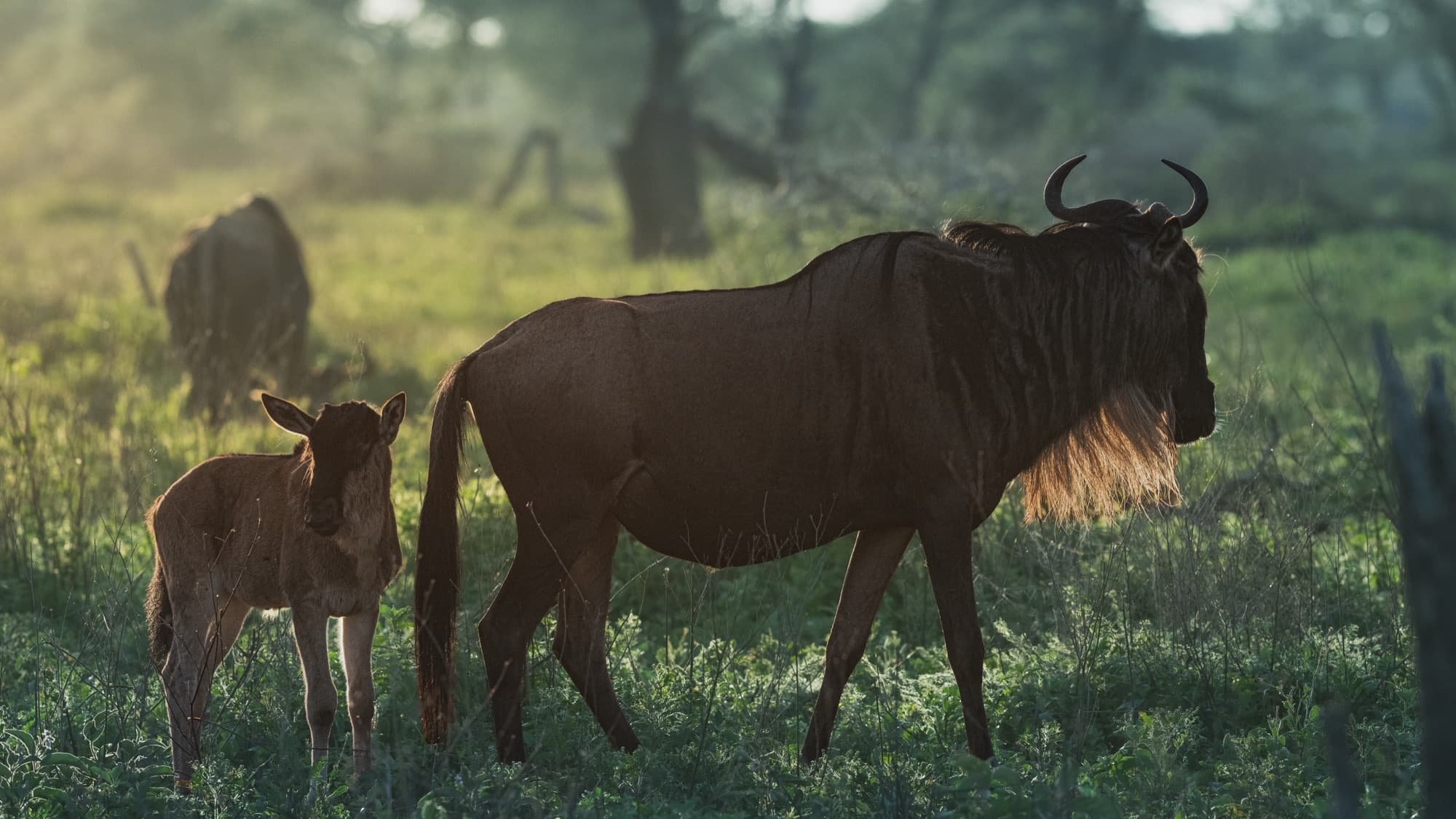
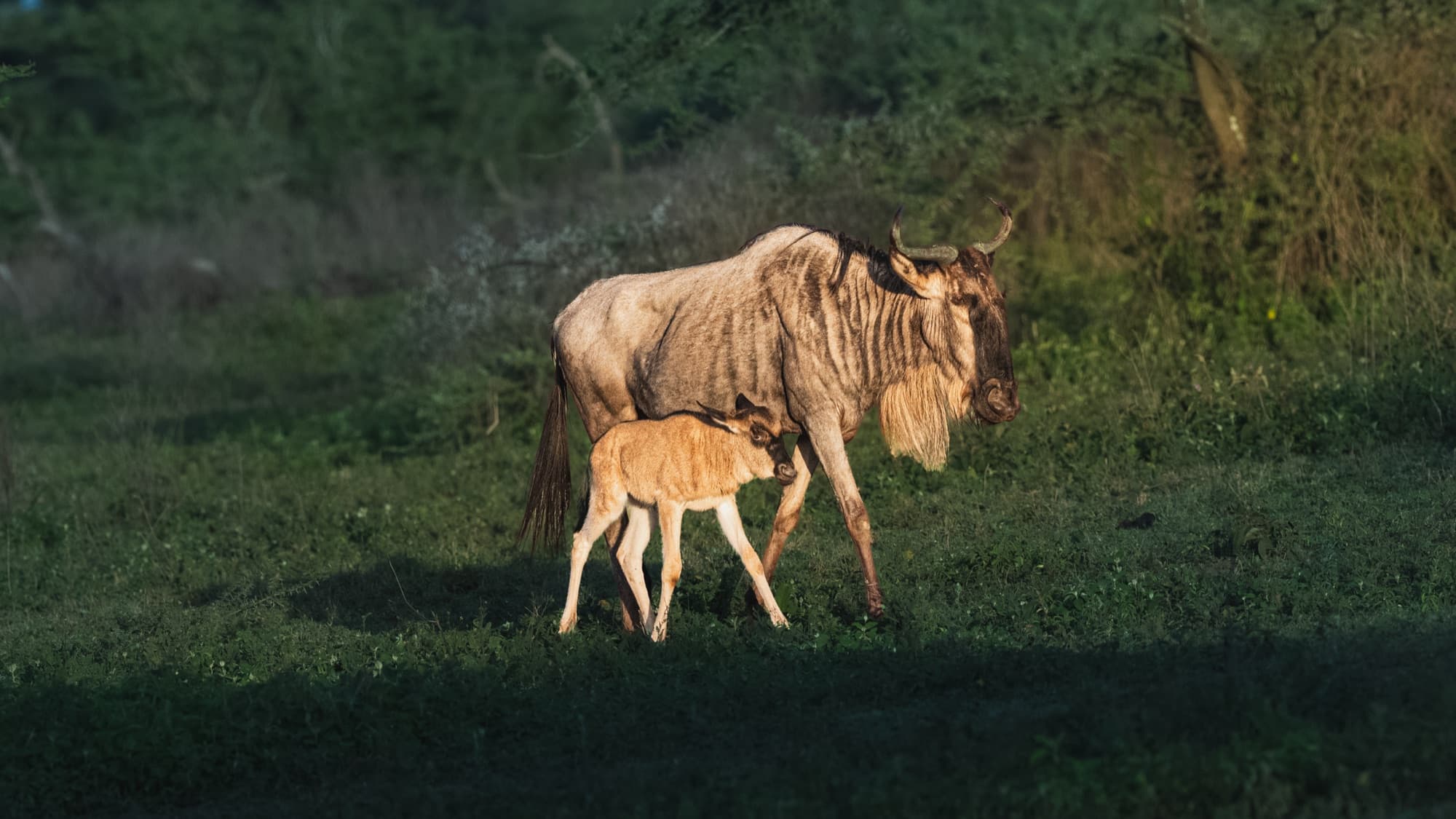
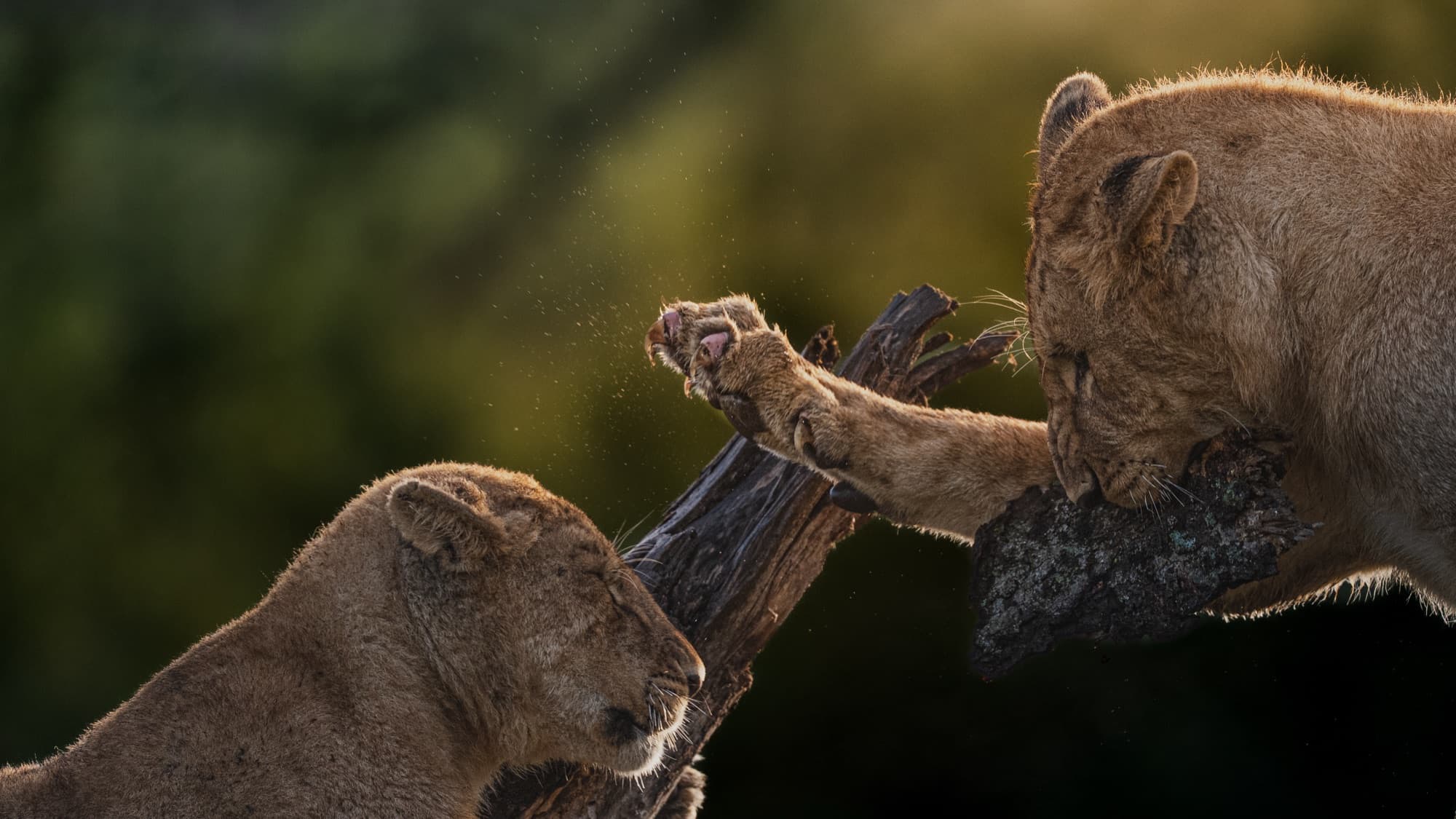
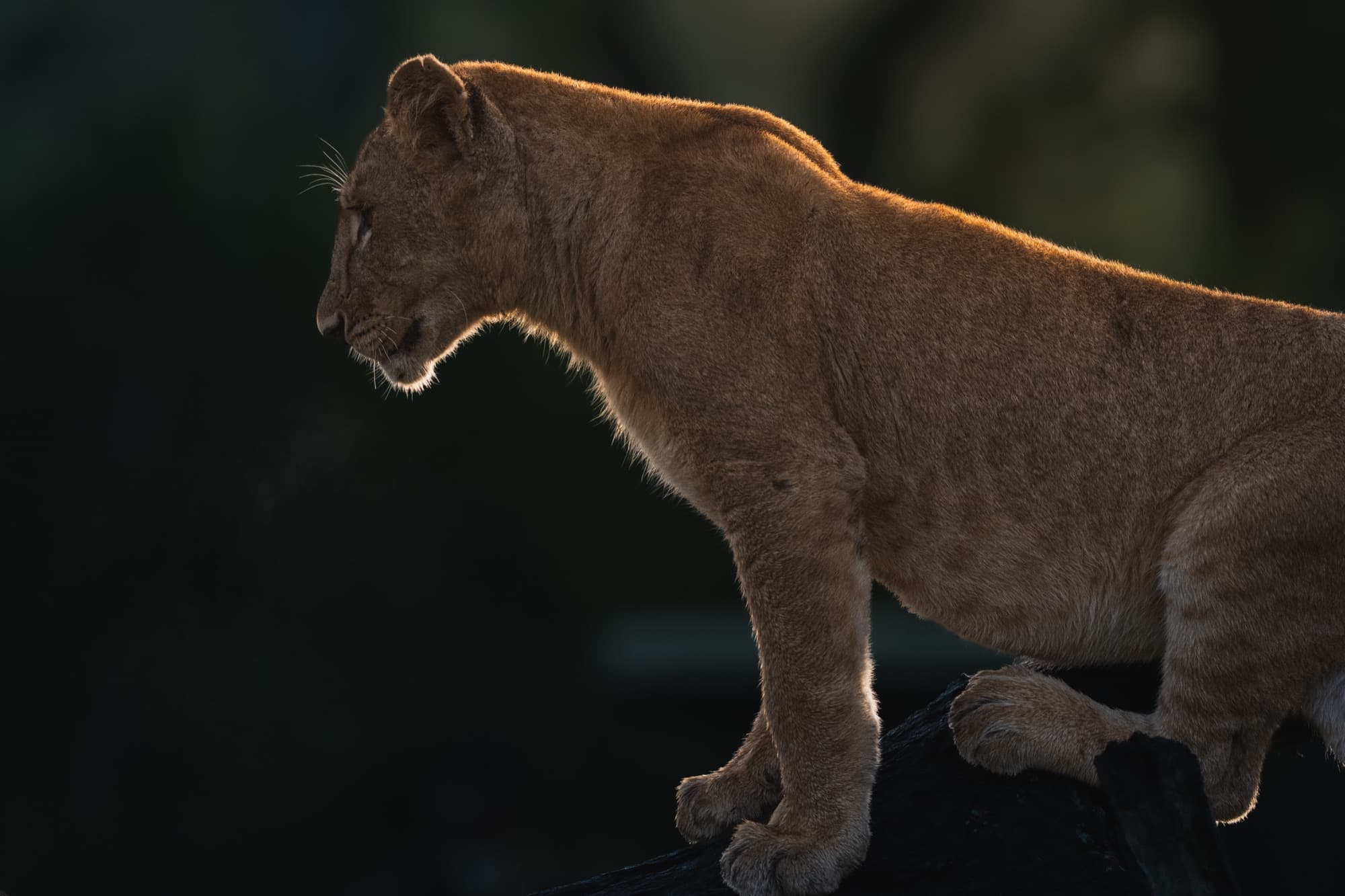
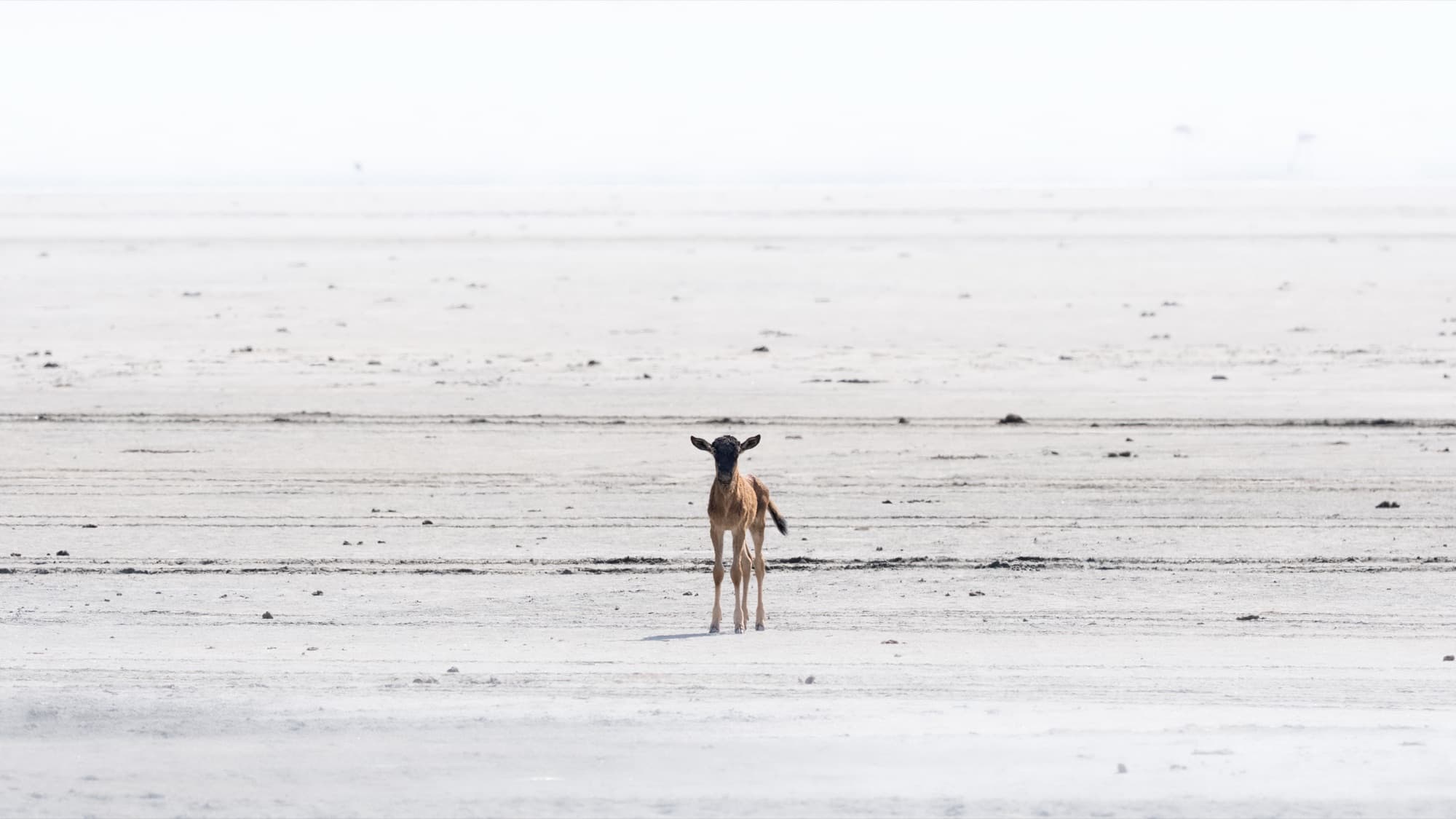
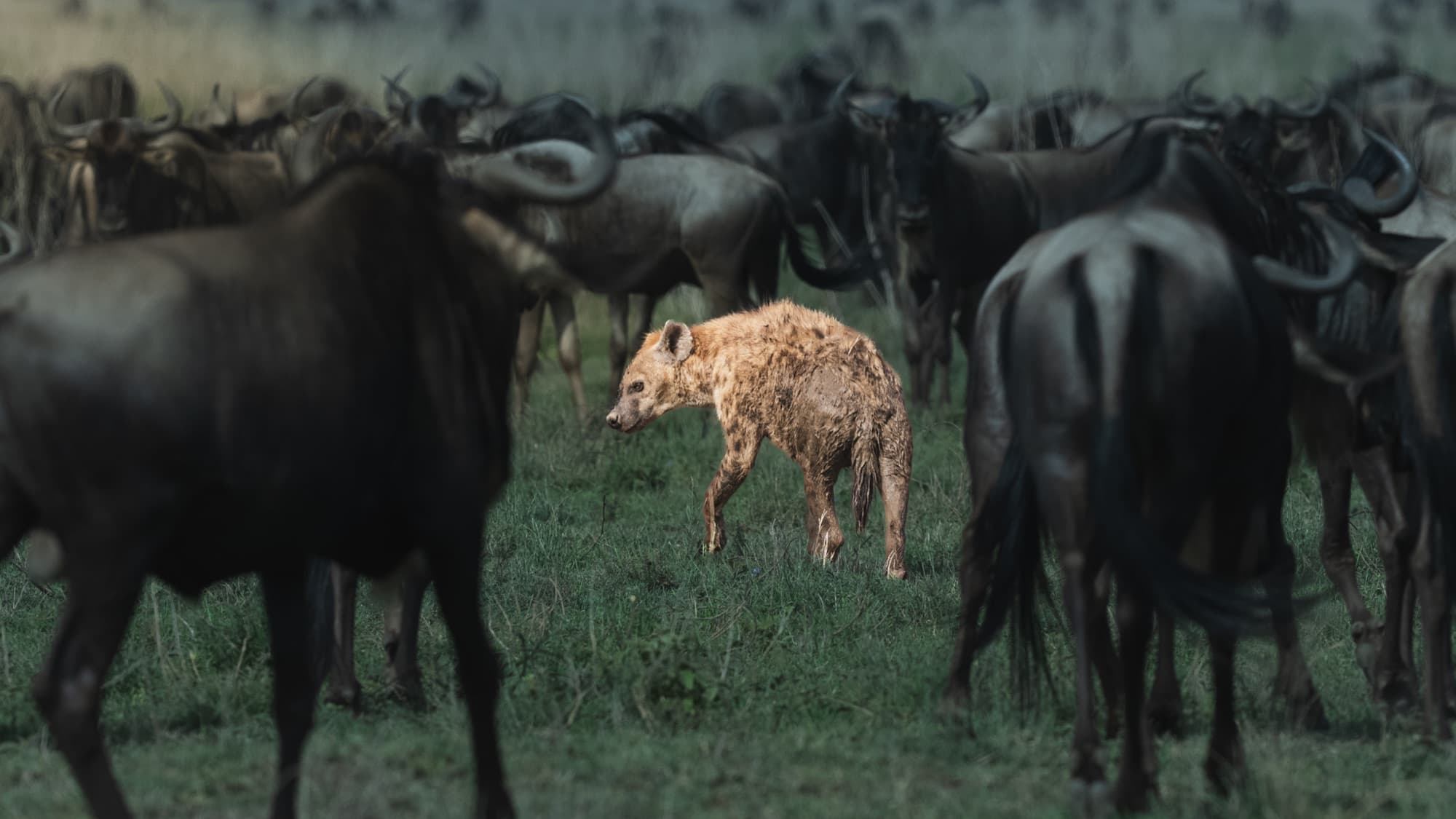
There is no photograph here of the exact moment a calf is born, and none of a hunt carried through to a kill — the archive does not hold them, and we do not stage them. What the plains give, most days, is the tension between the two.
Act IV
Life Begins to Move
Southern Serengeti / Naabi Hill · 2 nights
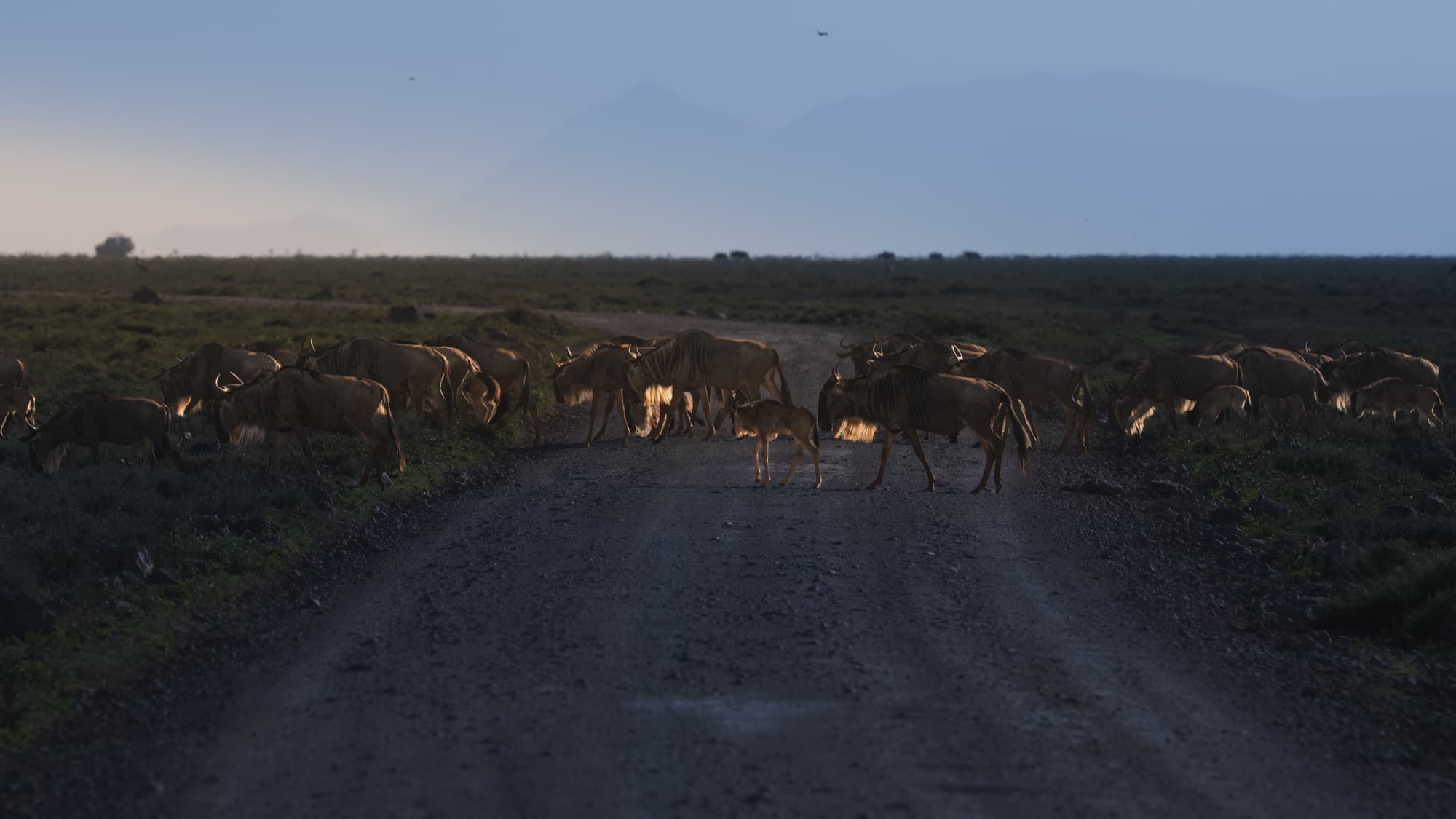
Two nights on the wider southern plains as the season turns. Once the grass is grazed down, the herds — and the calves born days earlier — begin to travel.
This is not a fixed route deeper into the Serengeti. The field strategy stays responsive: time spent where the wildlife actually is, not where the map suggests.
In the field
A photographic journey, not a game drive that allows cameras.
Nature Zi works the field with you — not running a workshop, but helping you see what may happen before it happens: reading a female close to giving birth, a predator's line into a herd, the light about to break.
The emphasis is on positioning for the story rather than for proximity, and on building a sequence — a coherent set of frames that tells what happened — rather than collecting isolated trophy shots.
- Anticipating behaviour
- Mother–young storytelling
- Action & movement
- Environmental wildlife
- Light & weather
- Building a visual sequence
Itinerary
How the twelve days move.
Day 1
Arusha
Days 2–3
Tarangire
Day 4
Ngorongoro Crater
Days 5–8
Ndutu
Days 9–10
Southern Serengeti / Naabi Hill
Day 11
Arusha
Day 12
Departure from Arusha
Daily timings, camps and transfers are set out in the client itinerary and confirmed per departure. No hotels, flights or wildlife outcomes are fixed in advance.
From the field
The route is built on field knowledge.
More work from these landscapes — mothers and young, movement, animals kept in their world — lives in the Photography archive.
Practical information
The essentials.
- Season
- The Journey runs once a year, timed to the wildebeest calving in the southern Serengeti ecosystem. Primary departures are in February, within a late-January to early-March window. Exact dates move year to year with the rains.
- Group
- A small photographic group, field-led by Nature Zi. Group size and departure dates are confirmed on enquiry.
- Accommodation
- Camps and lodges are chosen for each departure for their access to the calving grounds and the rhythm of the photography. In the Ndutu area these are seasonal camps that move with the herds. Specific properties are confirmed in the client itinerary.
- Pricing
- On enquiry.
- In the field
- Long vehicle days on rough tracks, early starts, and dust. No walking is required beyond camp. Detailed guidance is provided to confirmed travellers.
Enter the field
Join the Journey.
A small-group photographic journey, field-led by Nature Zi / Nature in Wild, with seasonal departures around the wildebeest calving.
Tell us when you are thinking of travelling, who you are travelling with, and what you most want to photograph. We use that to shape the right version of the Journey.
Designed and field-led by Nature Zi.