The Journey
A 10-day photography journey across Kenya's complete habitat arc — from the grassland raptors of Nairobi National Park to the montane forests of Mount Kenya, the Rift Valley lakes, Kakamega Forest, the Masai Mara and the dryland hide at Lentorre Lodge.
Each destination produces a different set of target species and a completely different photographic language.
The birds belong to their place. So does the photography.
Kenya is the only country in Africa where you can move from tropical rainforest to highland moorland to alkaline desert to open savannah in a single journey.
Most photography journeys to Kenya visit one or two habitats. Wings of Kenya was designed to move through all of them — because each one asks something fundamentally different from the photographer.
This 10-day arc was built from a confirmed itinerary. The birds listed for each destination are drawn from that itinerary, not from a generic species list.
10-Day Route
From Nairobi to the night hide — and back.
- Day 1Nairobi National Park1 night
- Day 2Mount Kenya1 night
- Day 3Lake Nakuru National Park1 night
- Day 4–5Kakamega Forest2 nights
- Day 6–7Masai Mara2 nights
- Day 8Lake Naivasha1 night
- Day 9Lentorre Lodge1 night
- Day 10Nairobi
Duration
10 days
9 nights
Habitats
9
grassland to forest to alkaline dryland
Season
March 2027 (early dry season)
Day 1 — 1 March 2027
Day 1 · Nairobi National Park
Grassland raptors at the edge of the city.
Nairobi NP · Safari Park Hotel
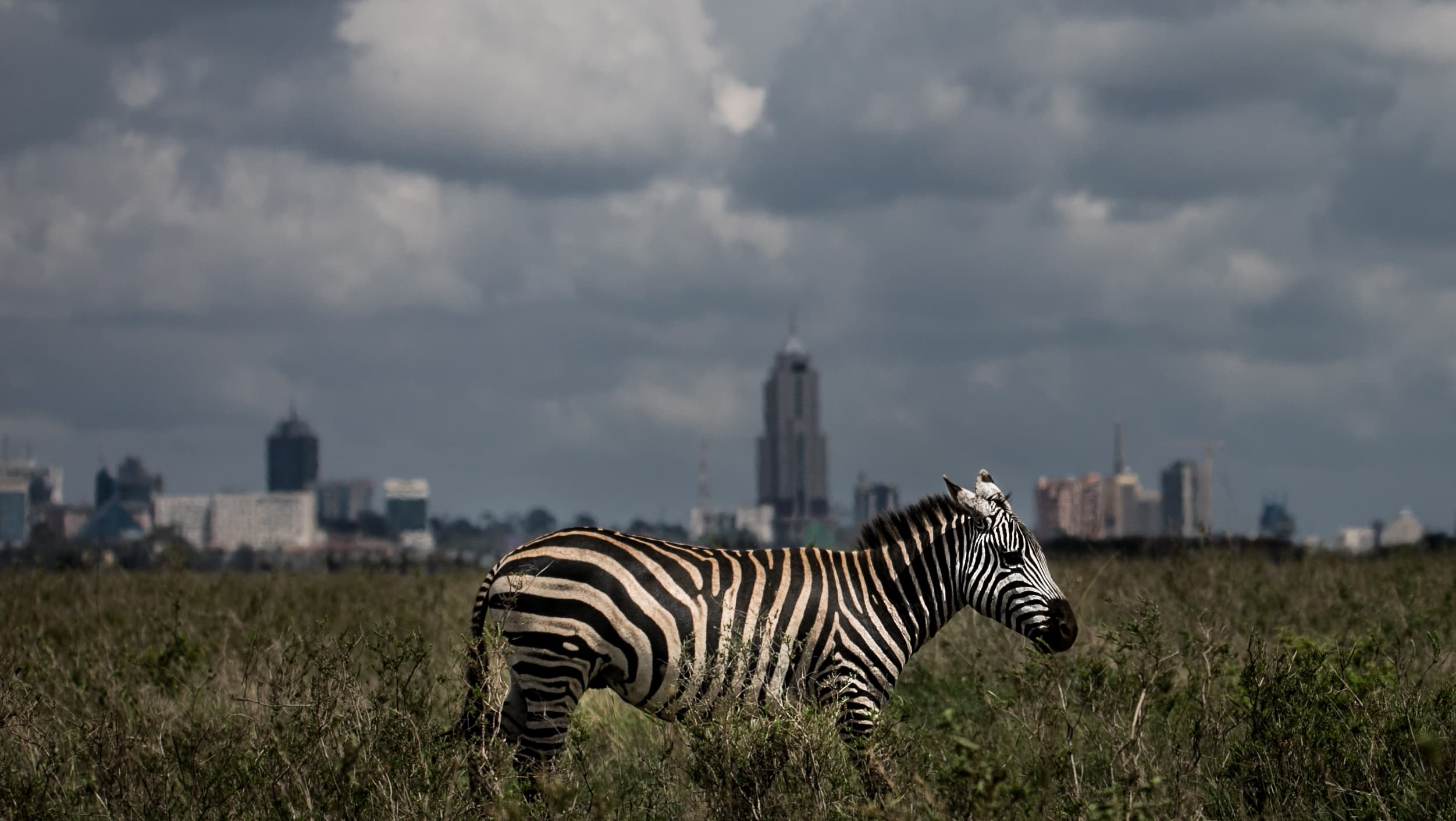
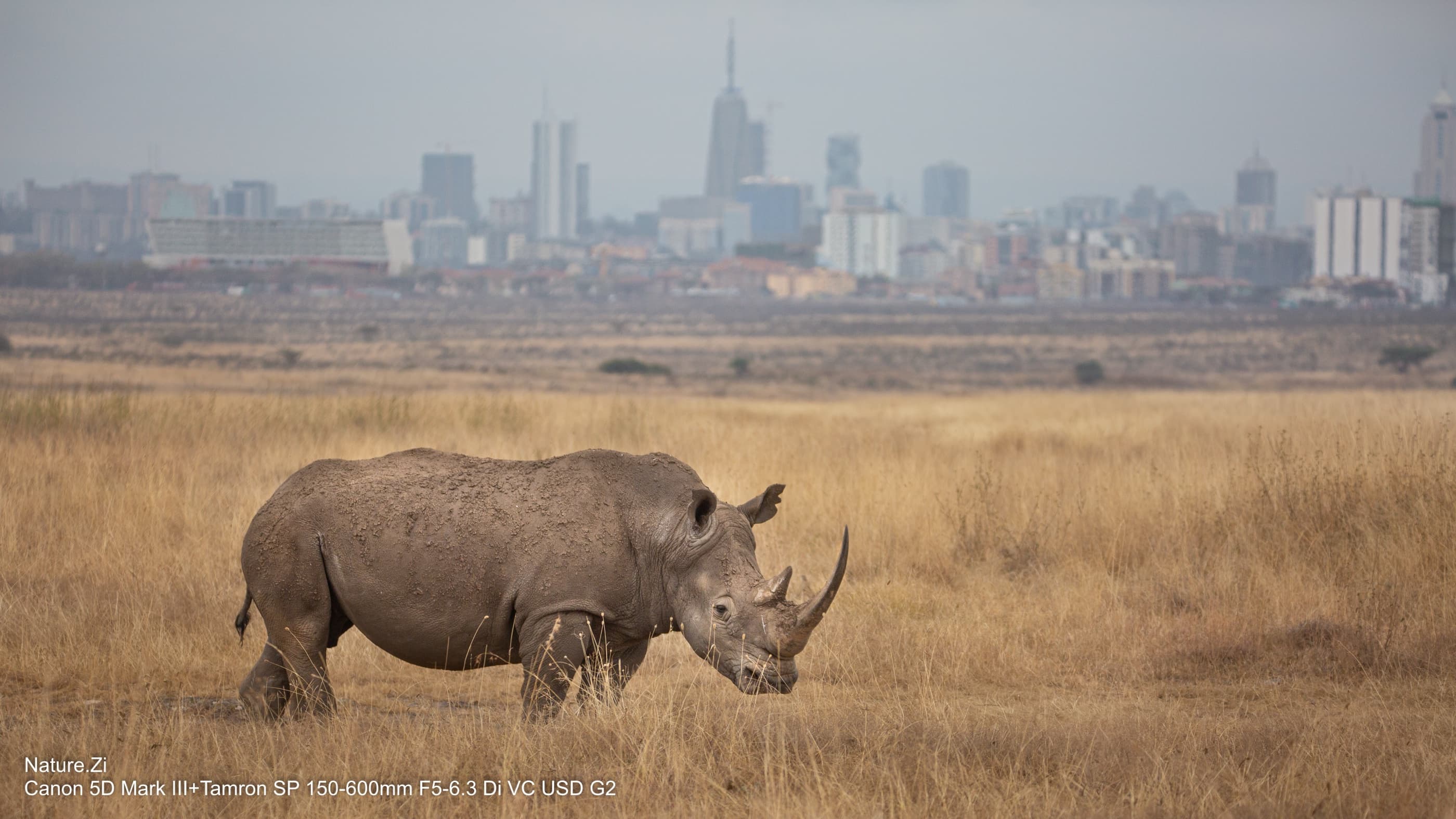
Most Kenya journeys pass through Nairobi without stopping. Wings of Kenya starts here on purpose. Nairobi National Park sits against the city skyline — and behind those towers are secretarybirds, kori bustards, martial eagles and grey crowned cranes.
An improbable place to begin a birding journey. An honest one.
Habitat
Birds we look for — Day 1
Hero bird
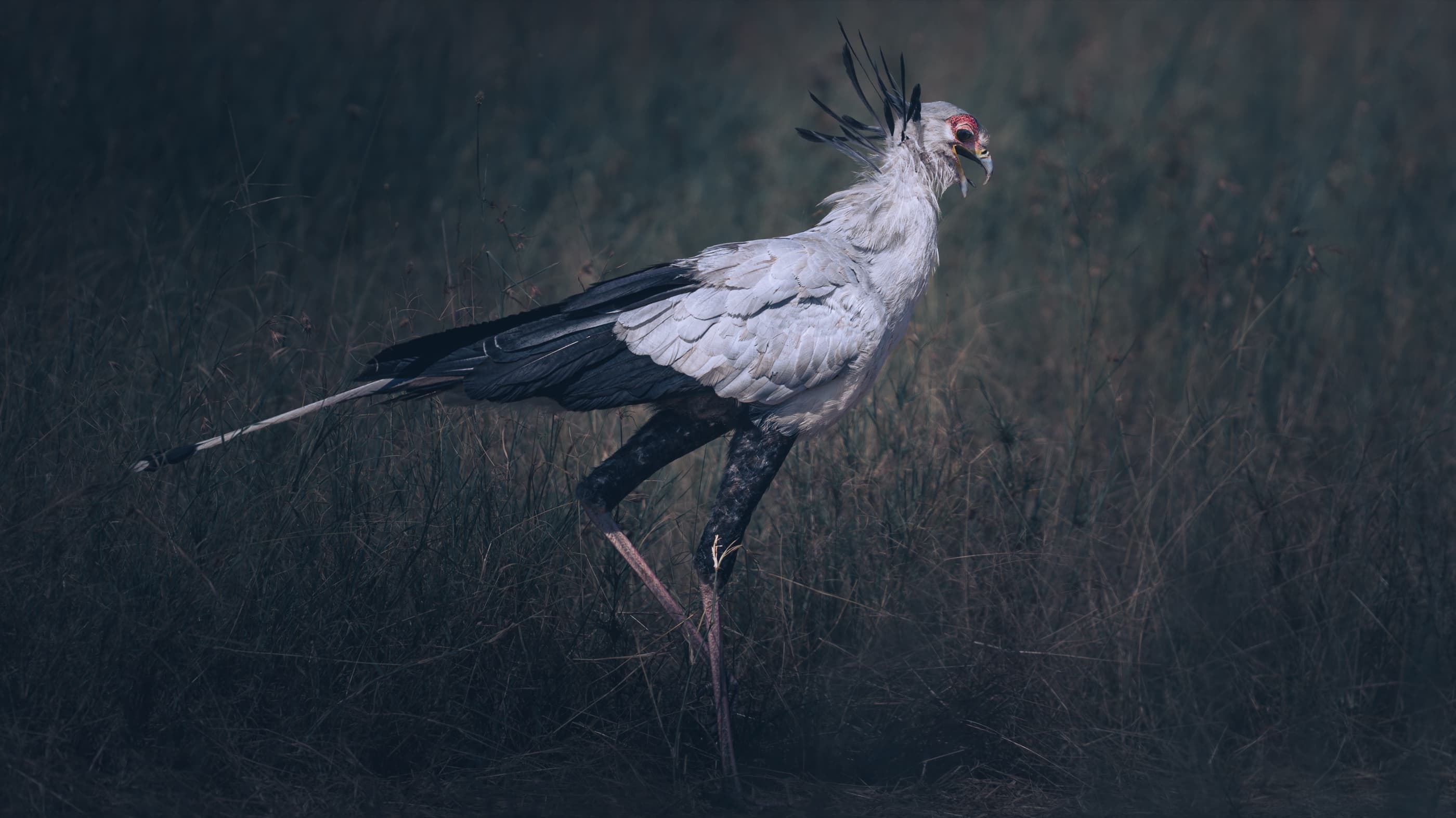
Secretarybird
Sagittarius serpentarius
One of Africa's most distinctive raptors — the only one that hunts on foot. Found on the Nairobi NP grassland within forty minutes of the airport.
Featured birds — 3 photographs
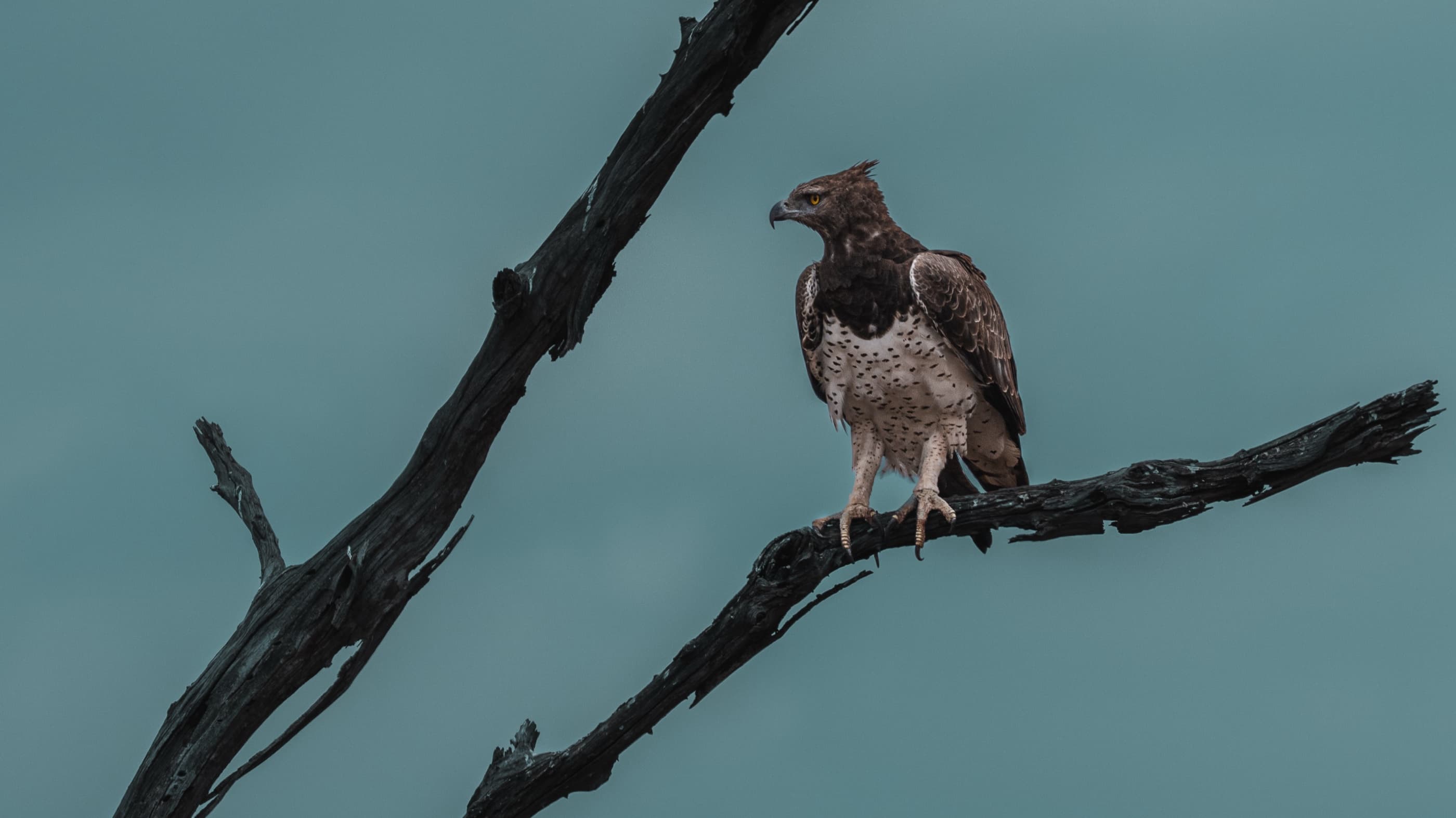
Martial Eagle
Polemaetus bellicosus
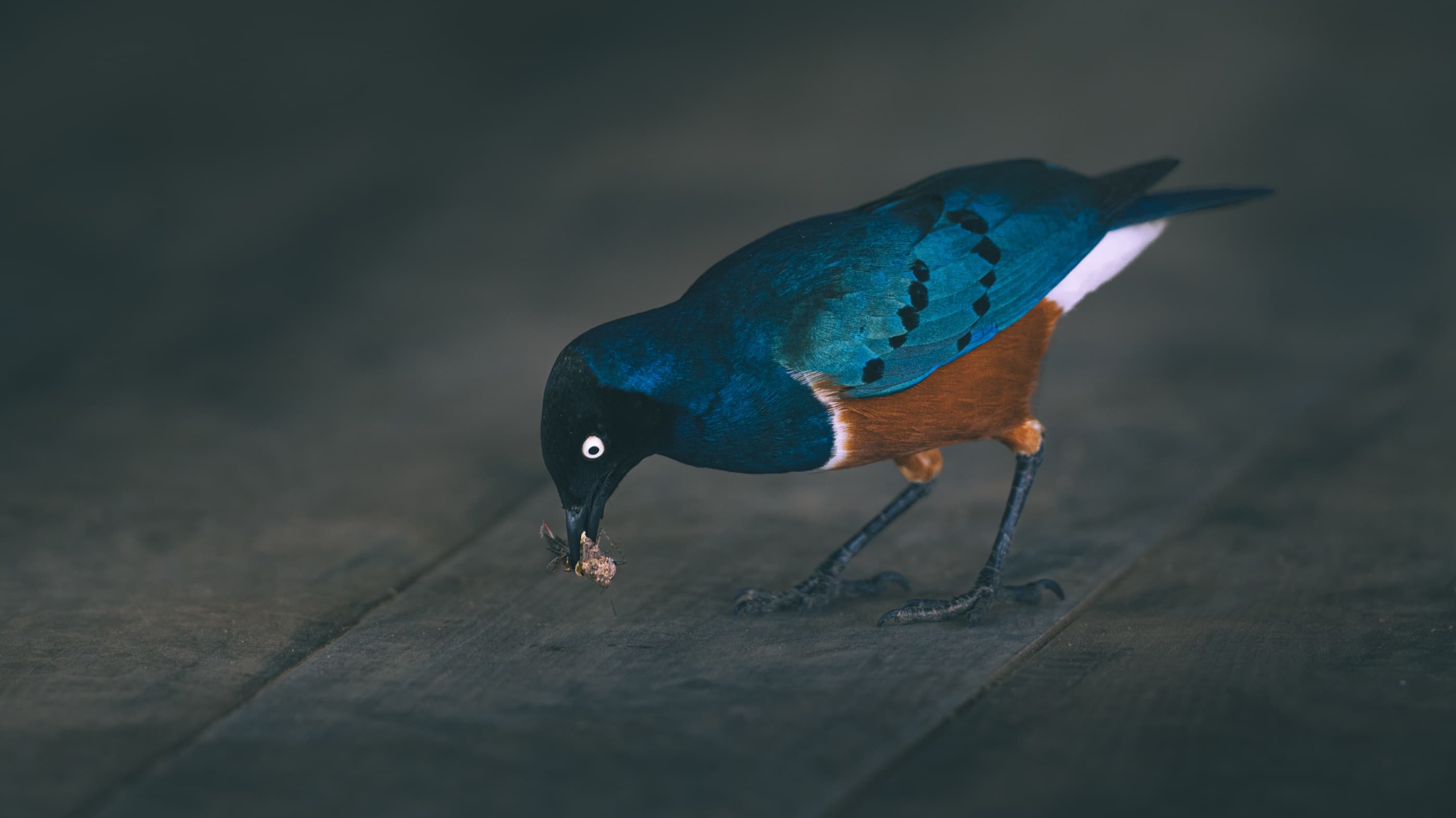
Superb Starling
Lamprotornis superbus
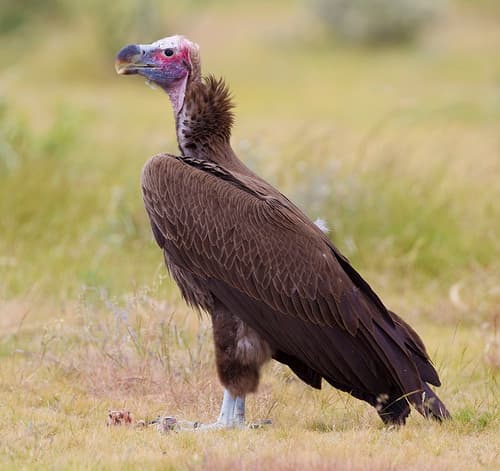
Lappet-faced Vulture
Torgos tracheliotos
More species — 6 photographs
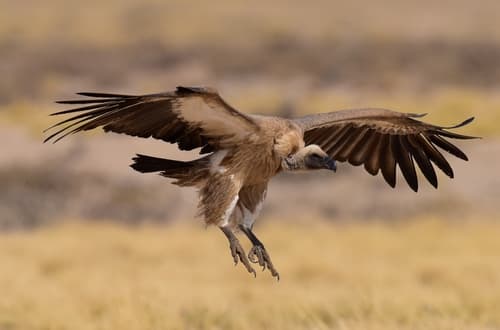
White-backed Vulture
Gyps africanus
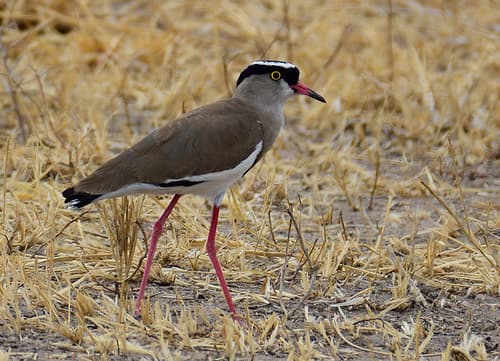
Crowned Lapwing
Vanellus coronatus
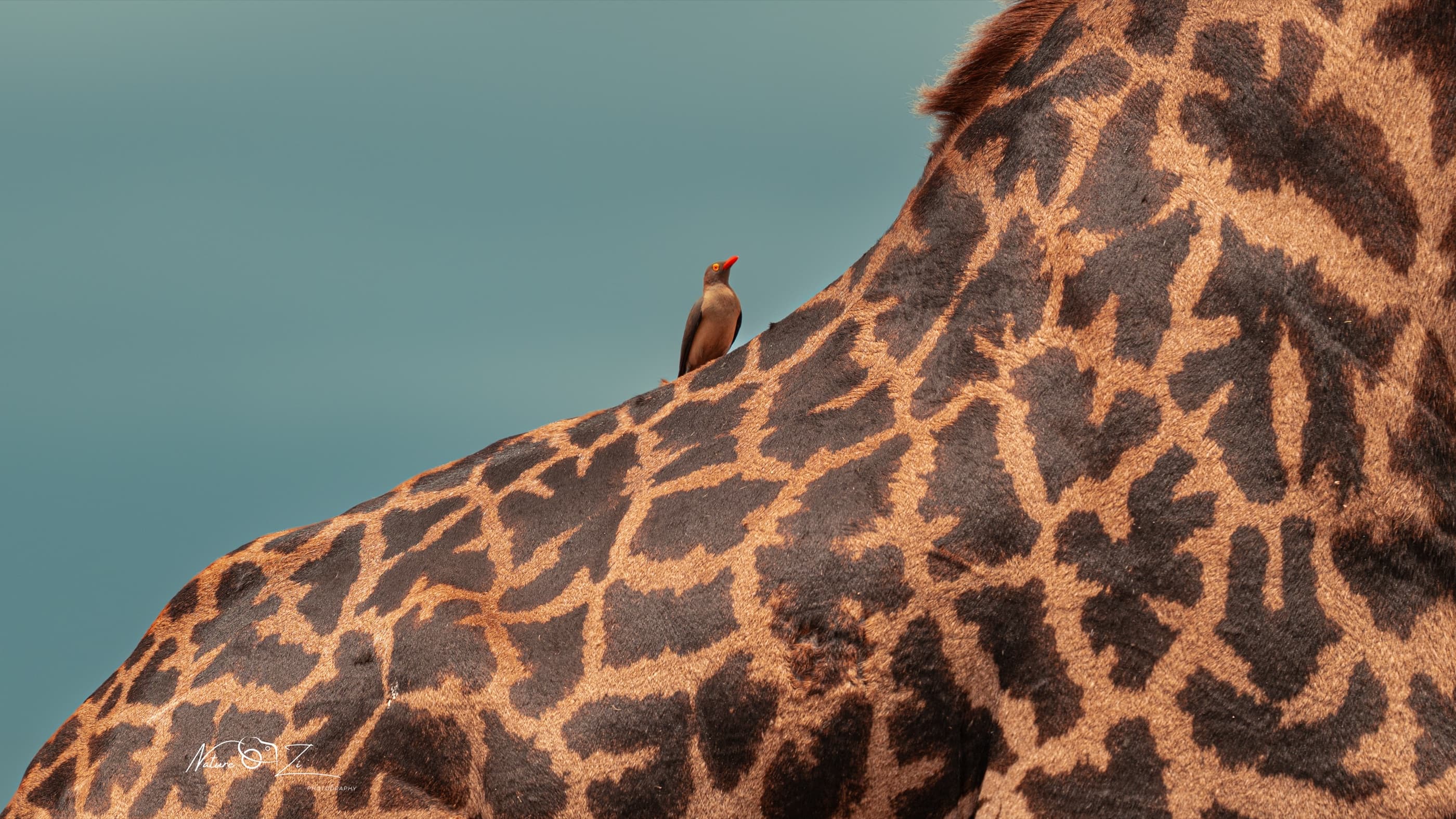
Red-billed Oxpecker
Buphagus erythrorhynchus
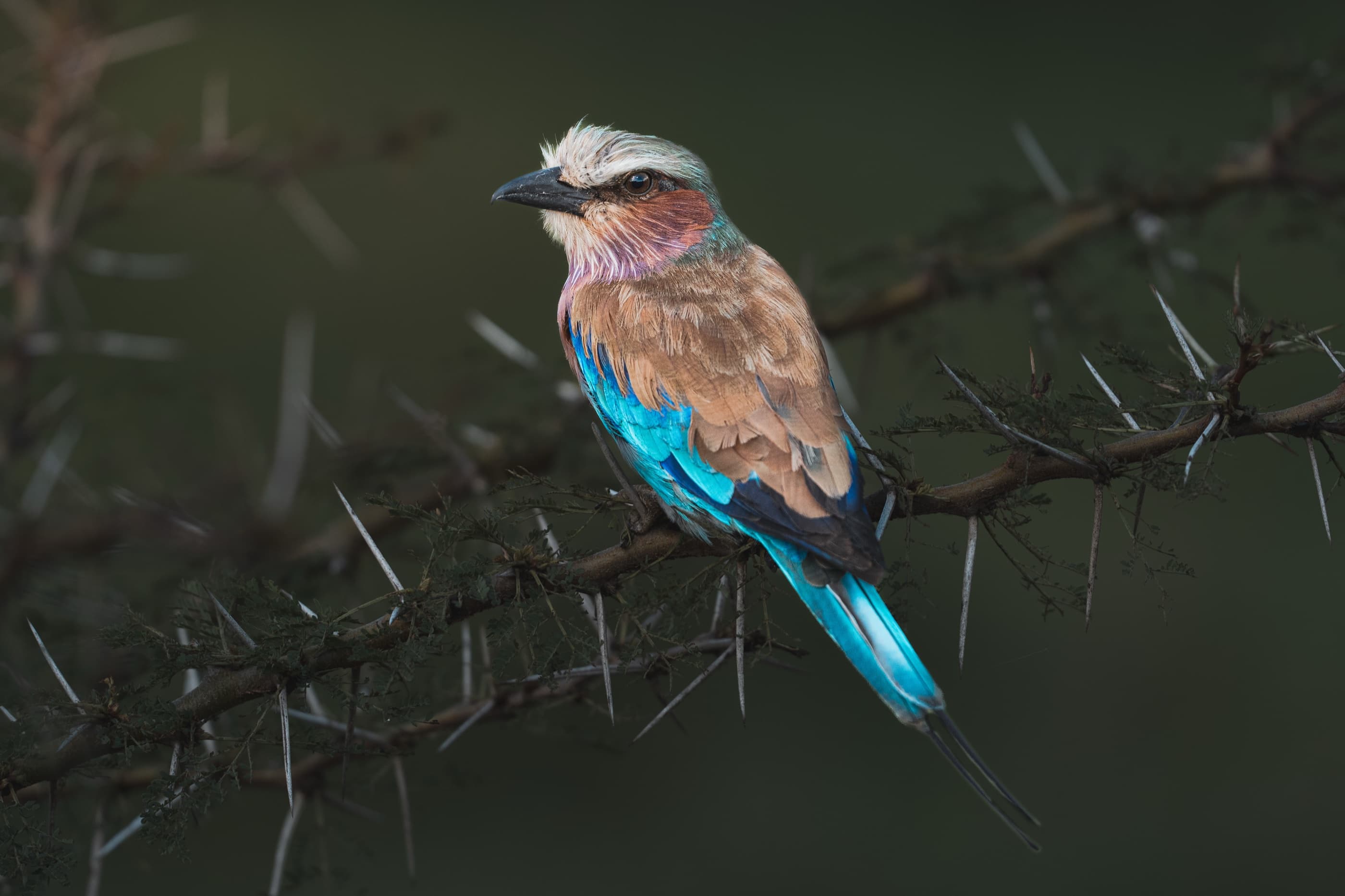
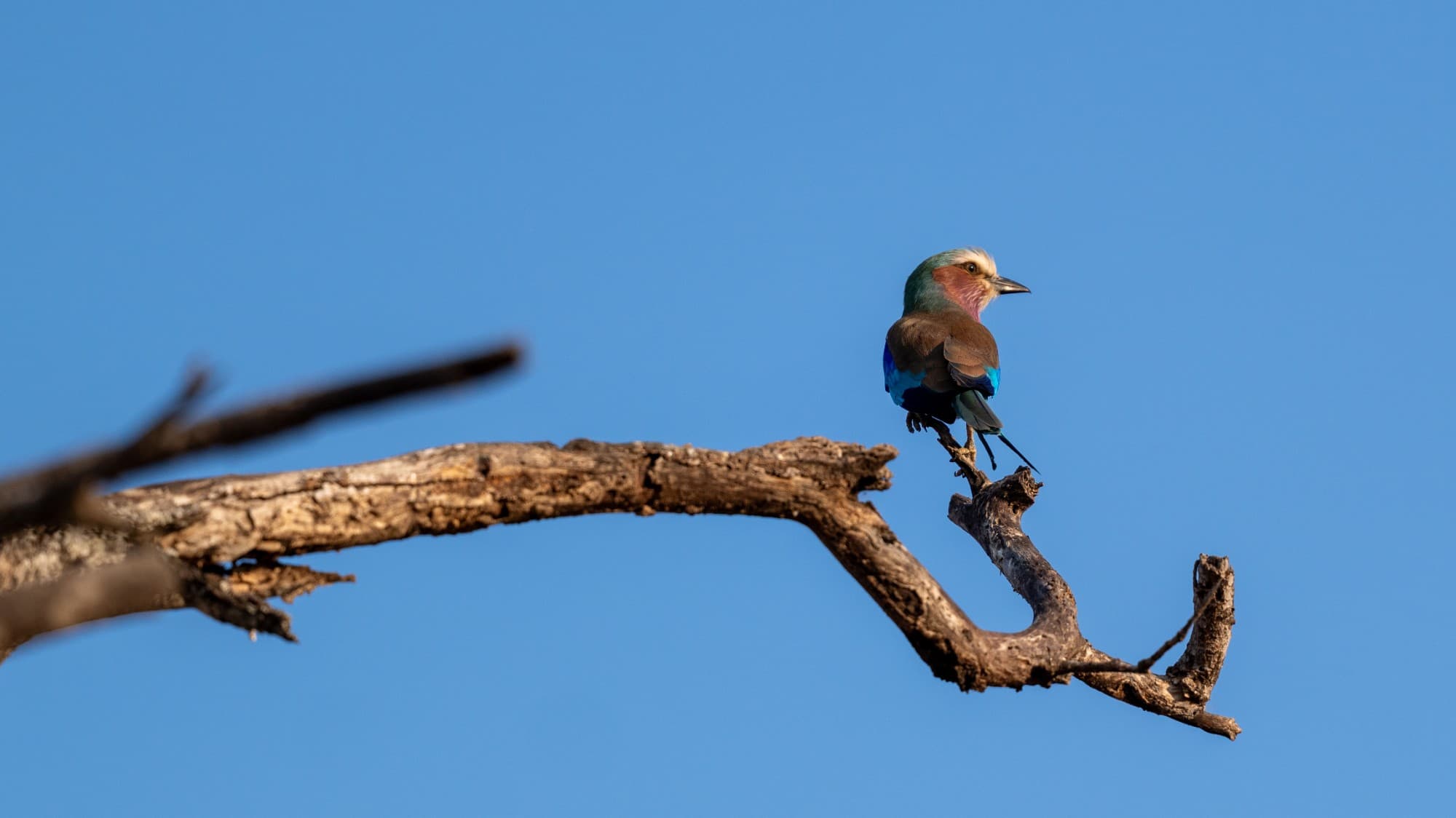
Lilac-breasted Roller
Coracias caudatus
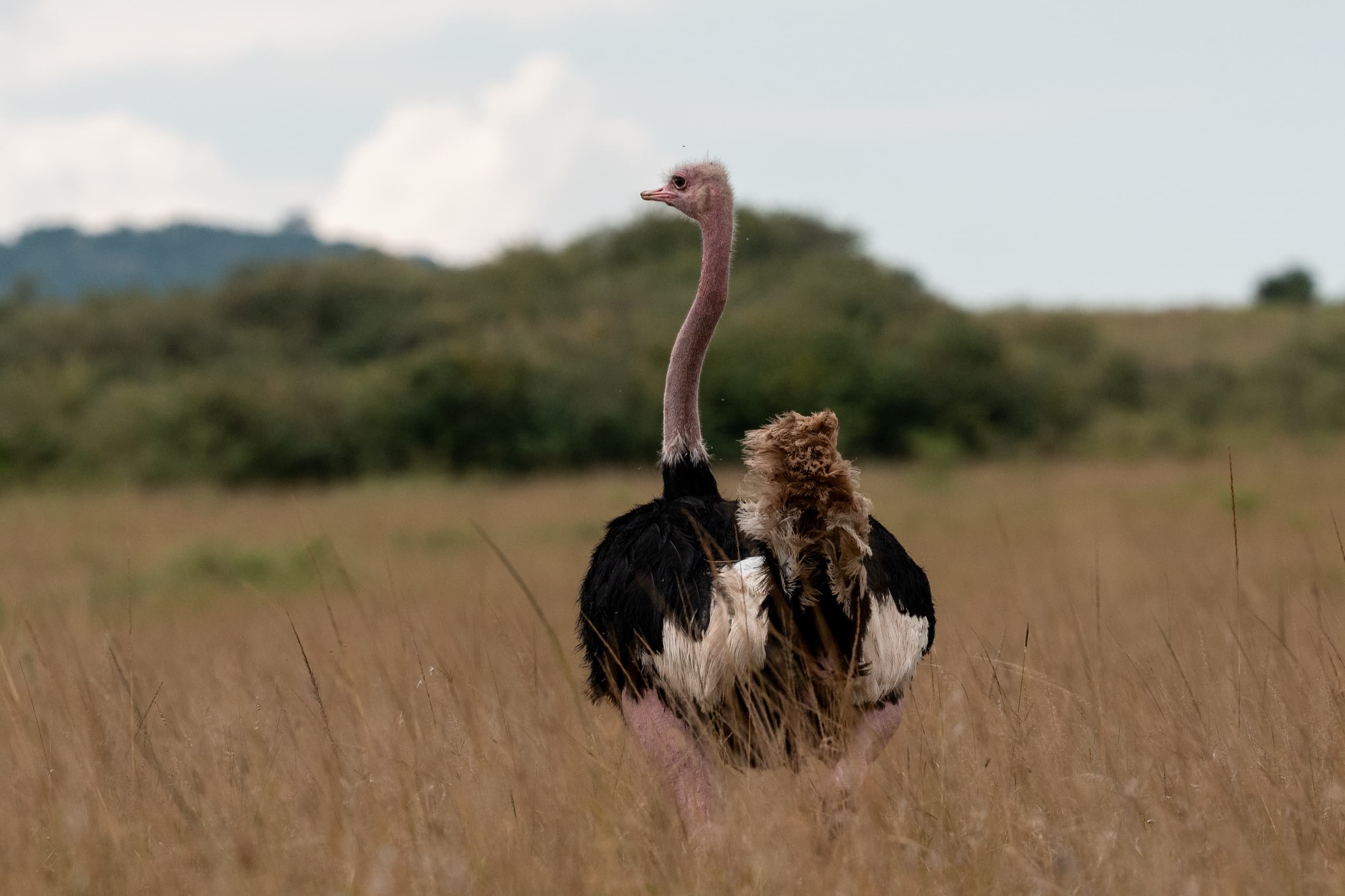
Common Ostrich
Struthio camelus
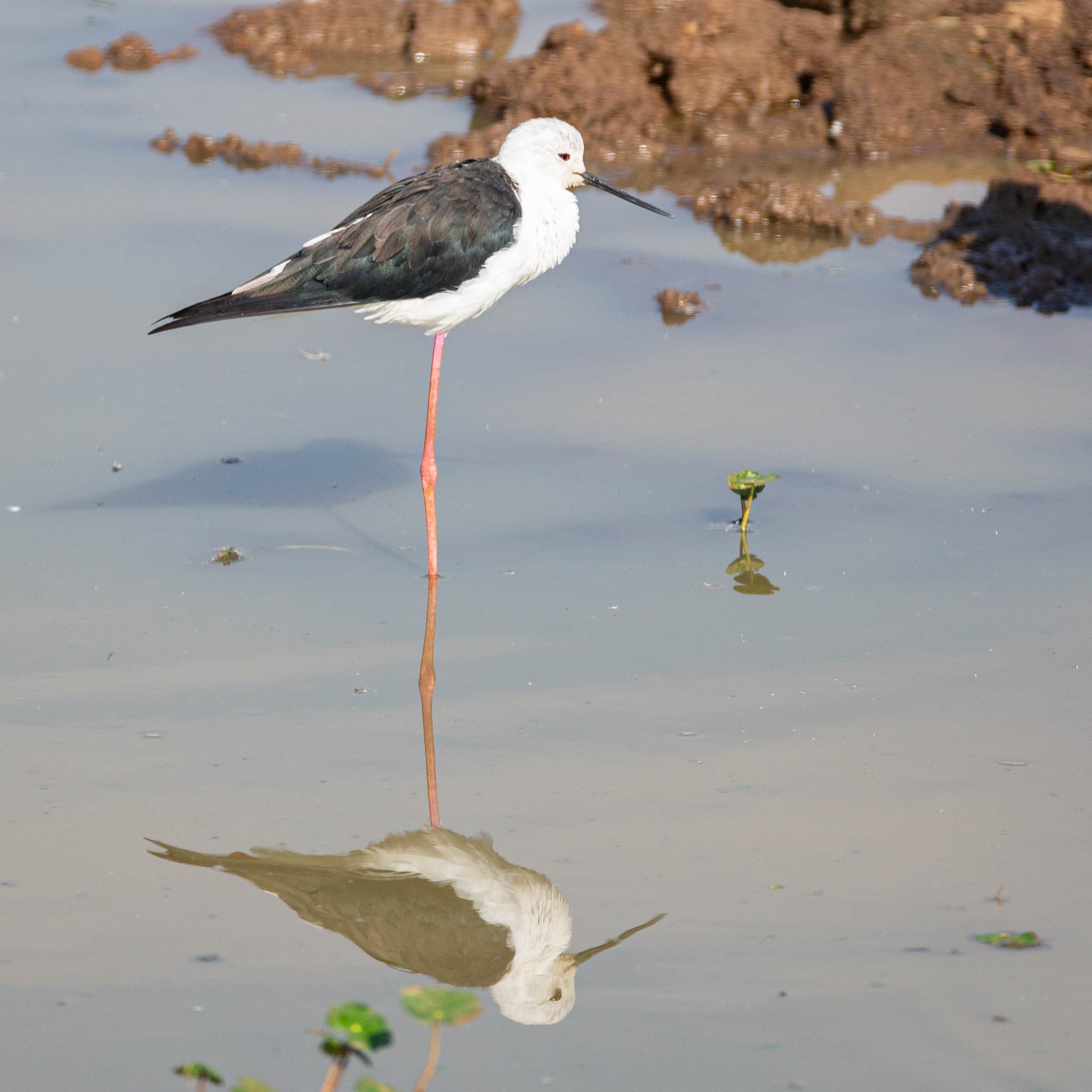
Black-winged Stilt
Himantopus himantopus
Other species we may encounter
- Kori BustardArdeotis kori
- African Fish EagleHaliaeetus vocifer
- Grey Crowned CraneBalearica regulorum
- Saddle-billed StorkEphippiorhynchus senegalensis
Day 2 — 2 March 2027
Day 2 · Mount Kenya
Afro-montane forest at altitude.
Castle Forest Lodge · Mount Kenya
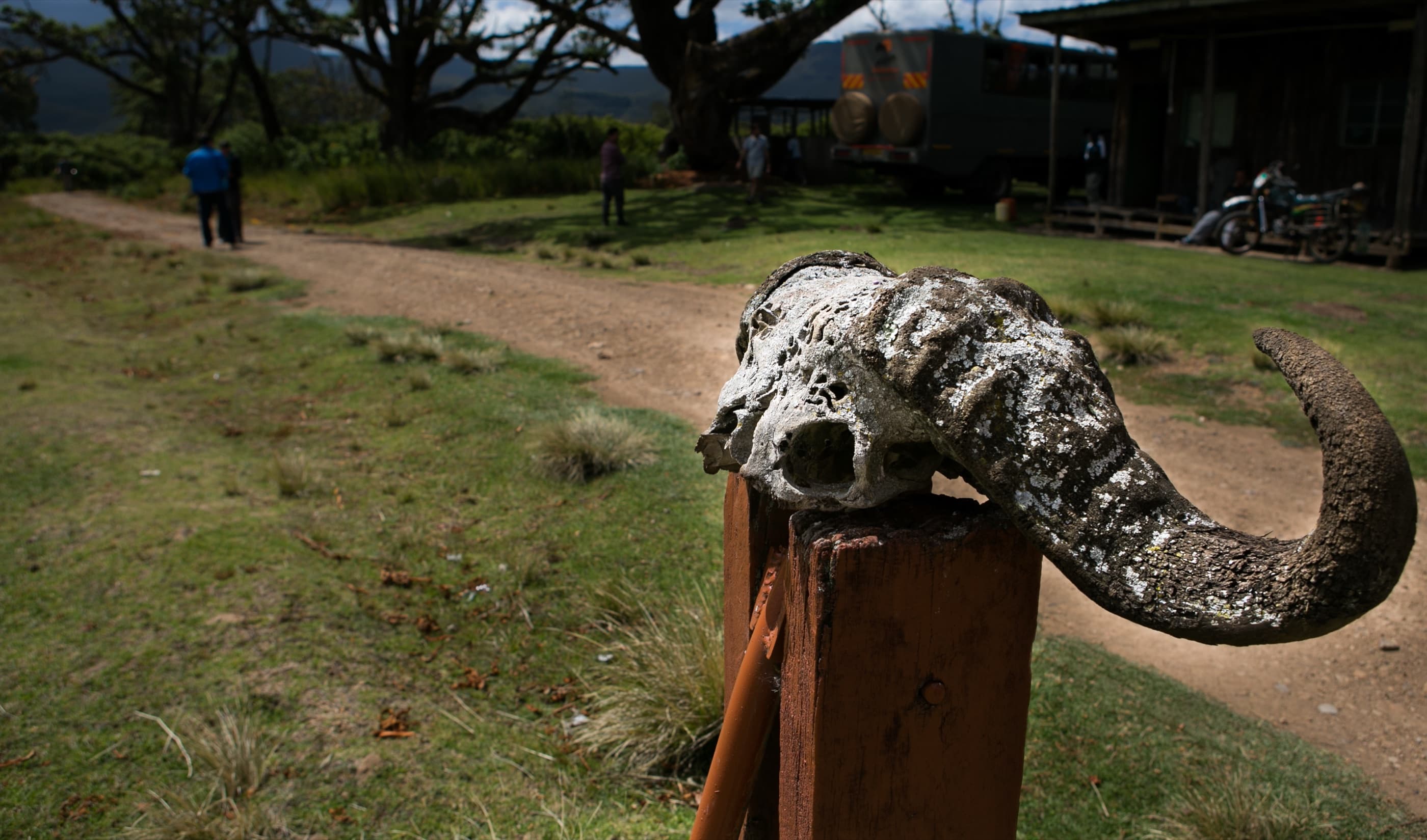
The road climbs from Nairobi to the forests of Mount Kenya — a completely different ecological zone. Castle Forest Lodge sits inside the indigenous forest at the moorland boundary.
Hartlaub's turaco, bar-tailed trogon, silvery-cheeked hornbill. These are Afro-montane forest birds — species that exist at altitude in the Kenyan highlands and nowhere else on this route.
Habitat
Birds we look for — Day 2
Hero bird
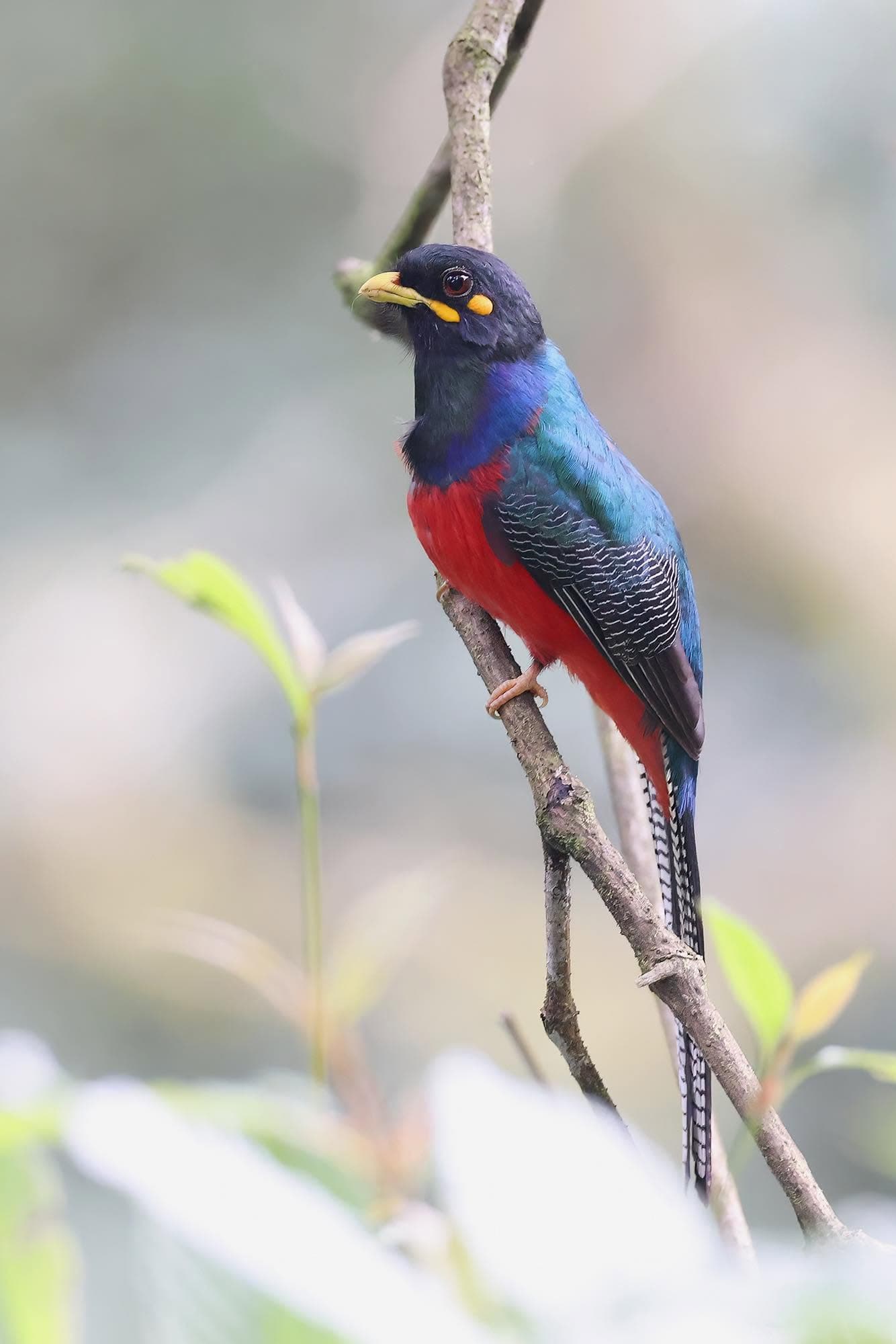
Bar-tailed Trogon
Apaloderma vittatum
One of the most striking birds in the Kenyan highland forest — the crimson belly appears almost luminous against the forest gloom.
Featured birds — 3 photographs
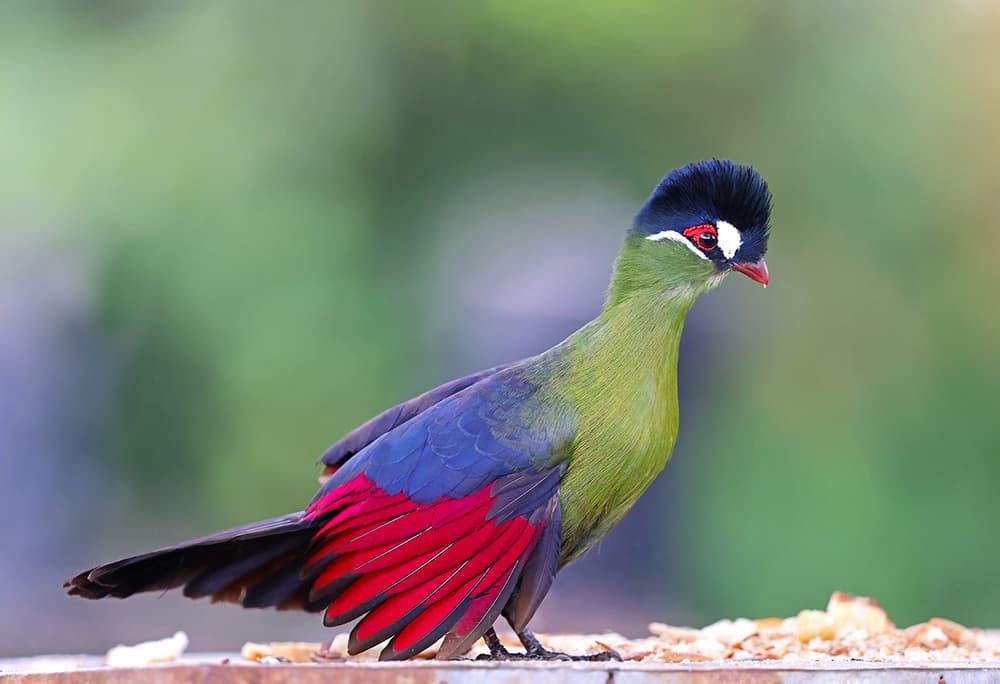
Hartlaub's Turaco
Tauraco hartlaubi
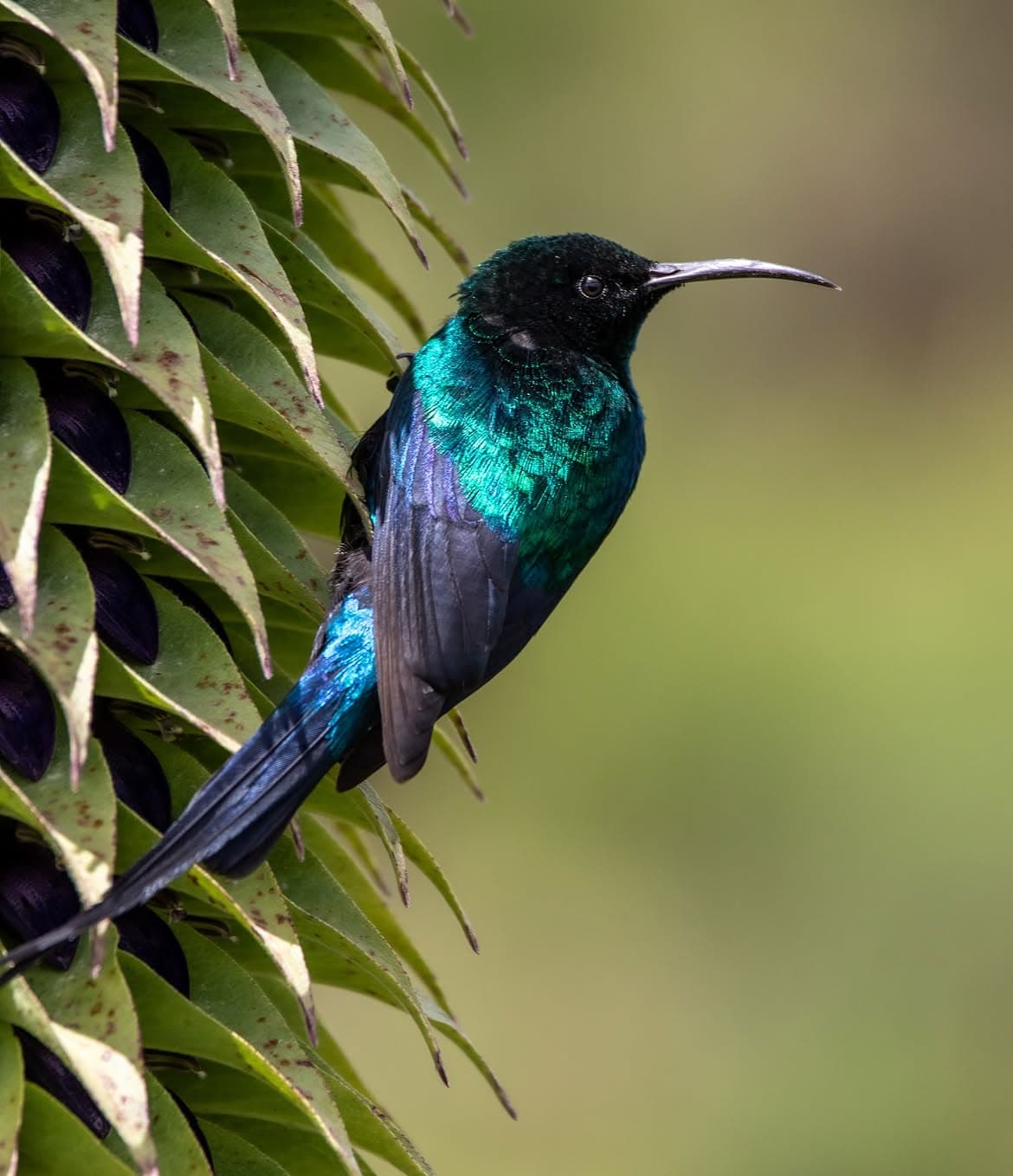
Scarlet-tufted Sunbird
Nectarinia johnstoni
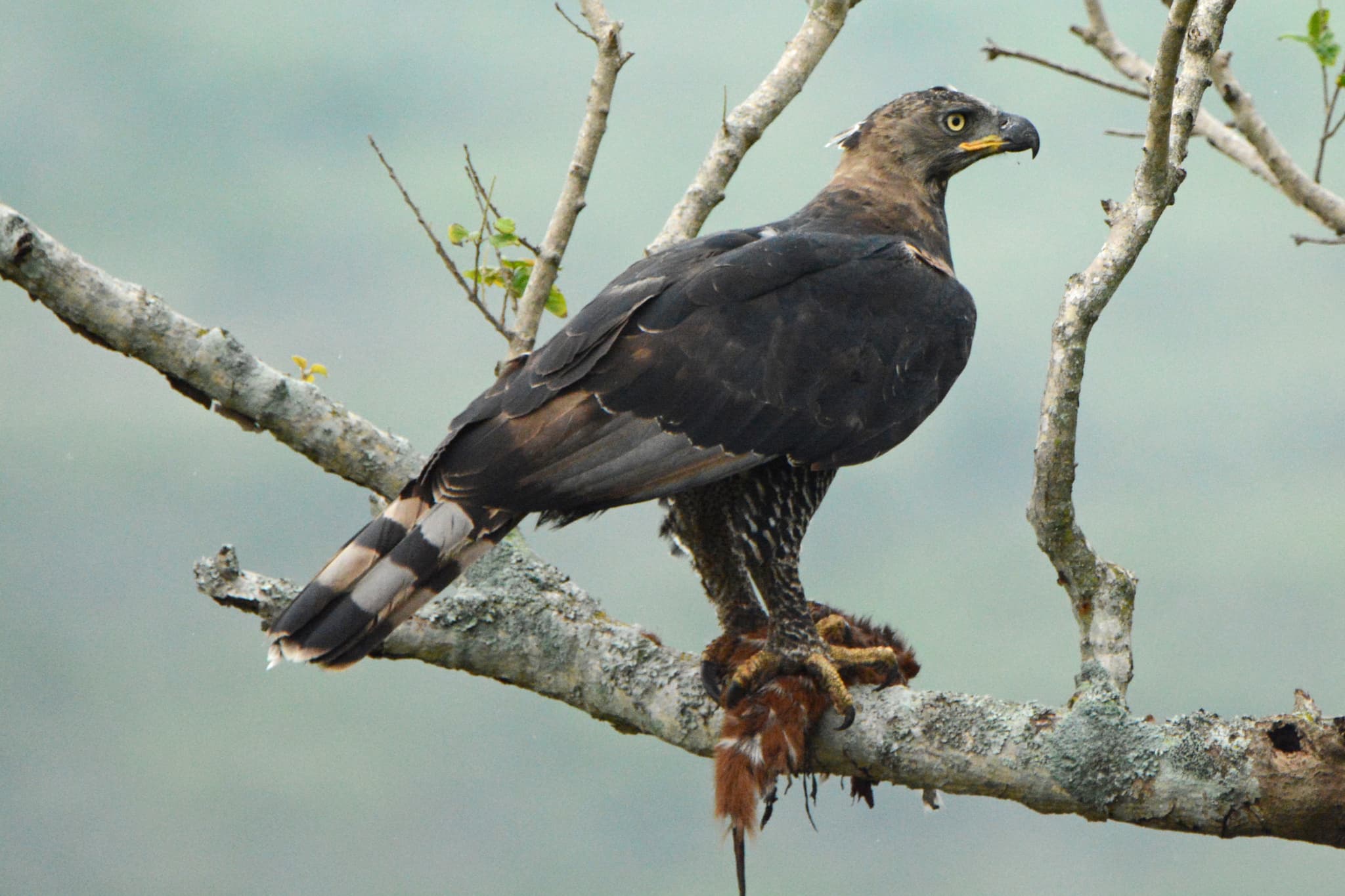
Crowned Eagle
Stephanoaetus coronatus
More species — 4 photographs
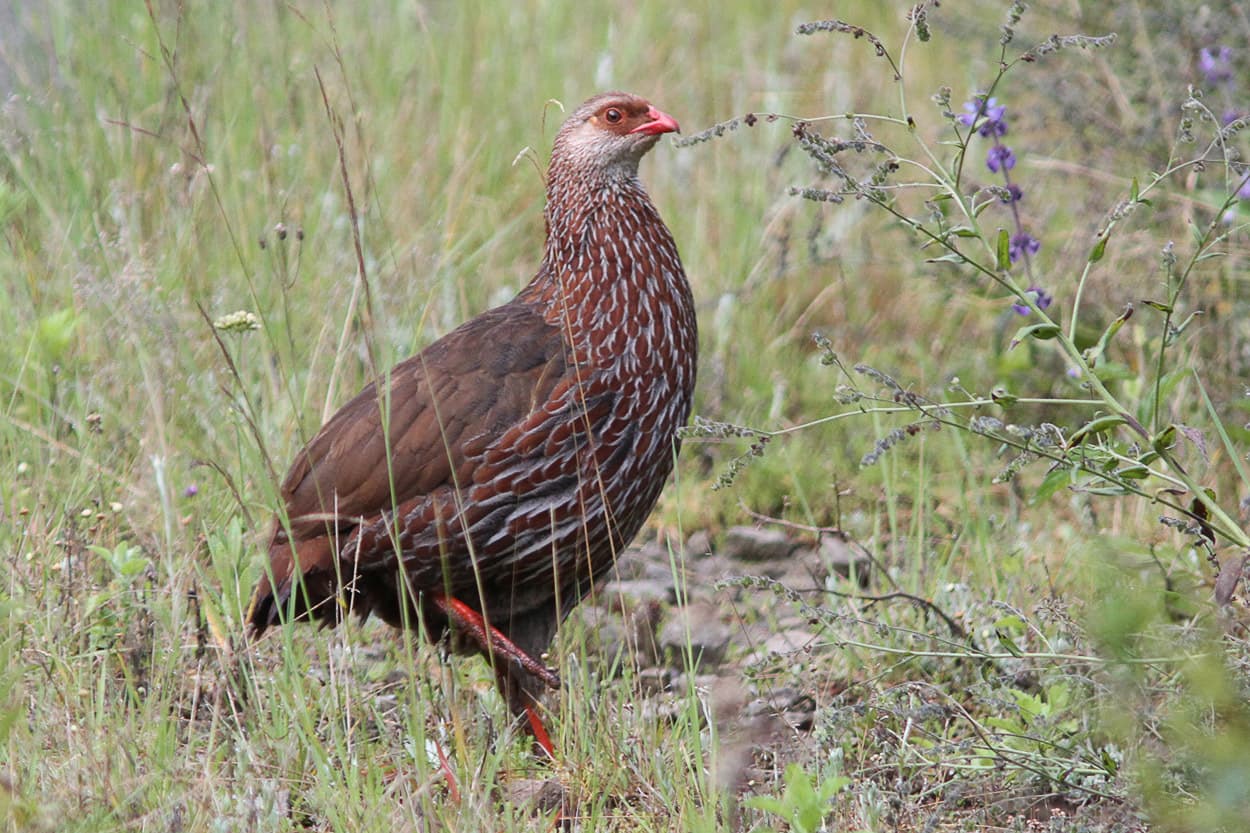
Jackson's Francolin
Pternistis jacksoni
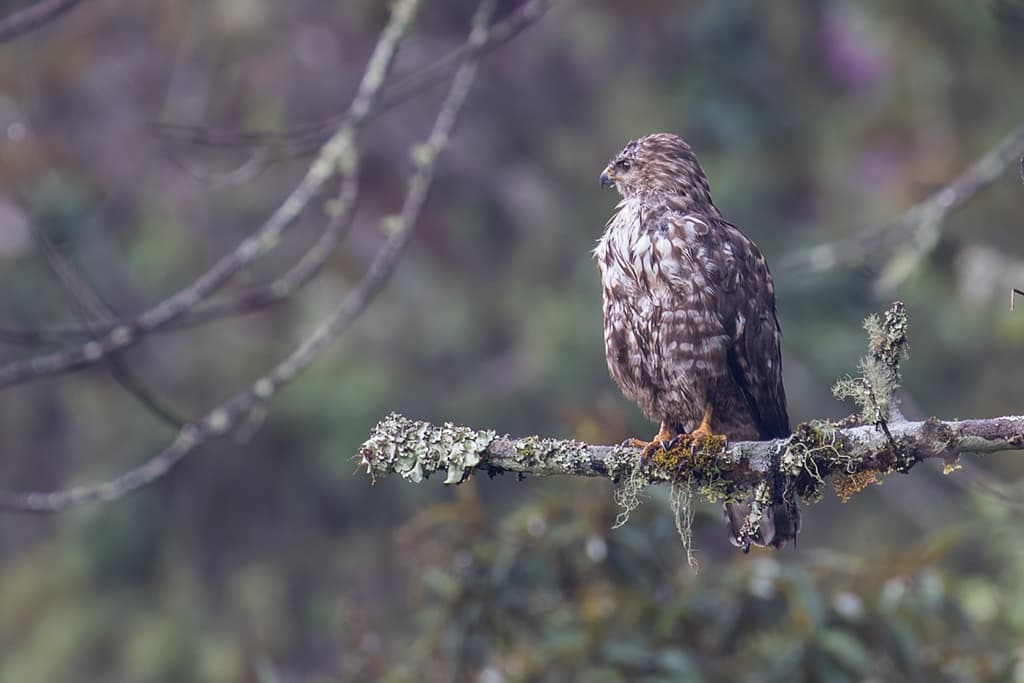
Mountain Buzzard
Buteo oreophilus
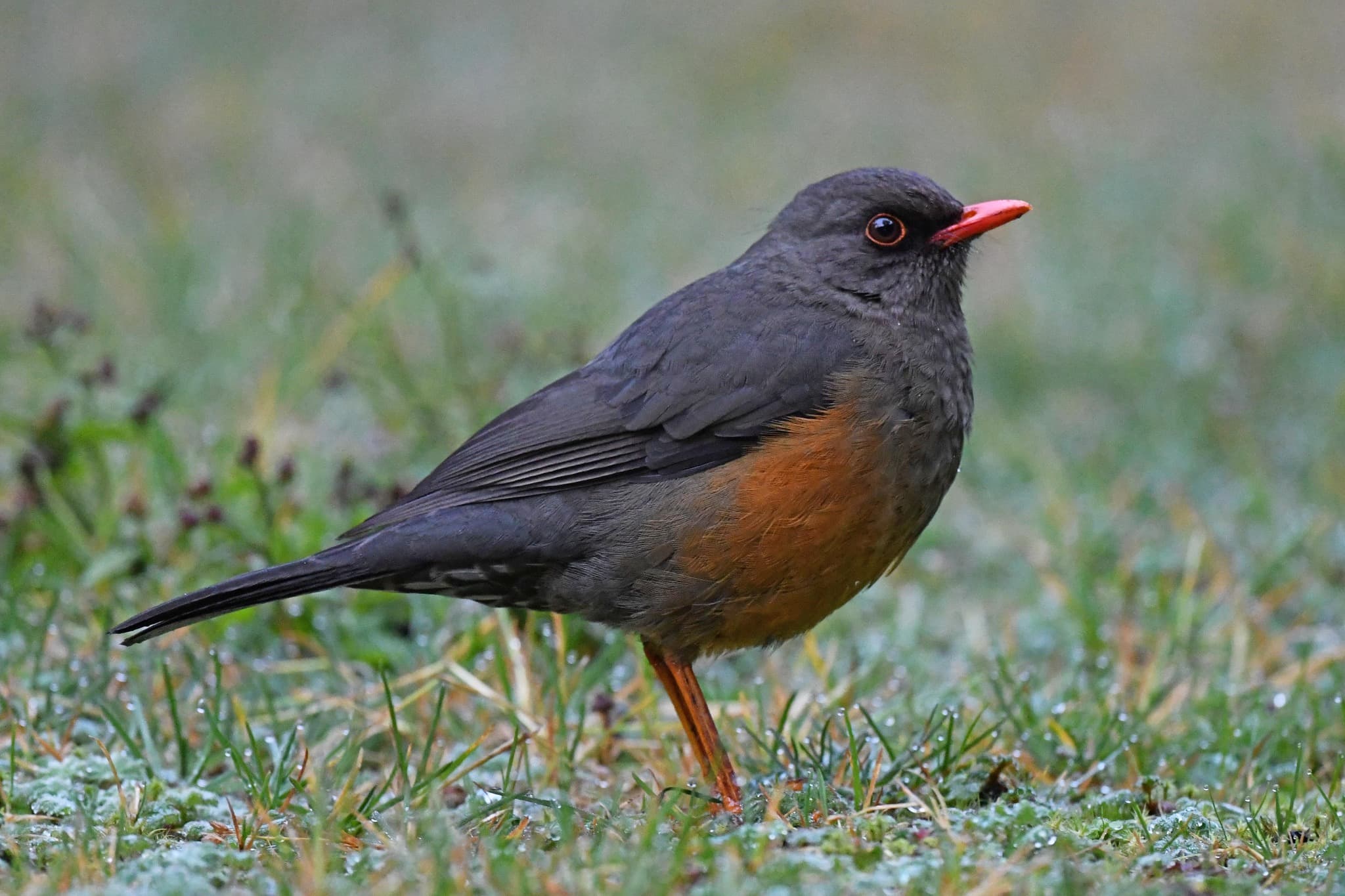
Abyssinian Thrush
Turdus abyssinicus
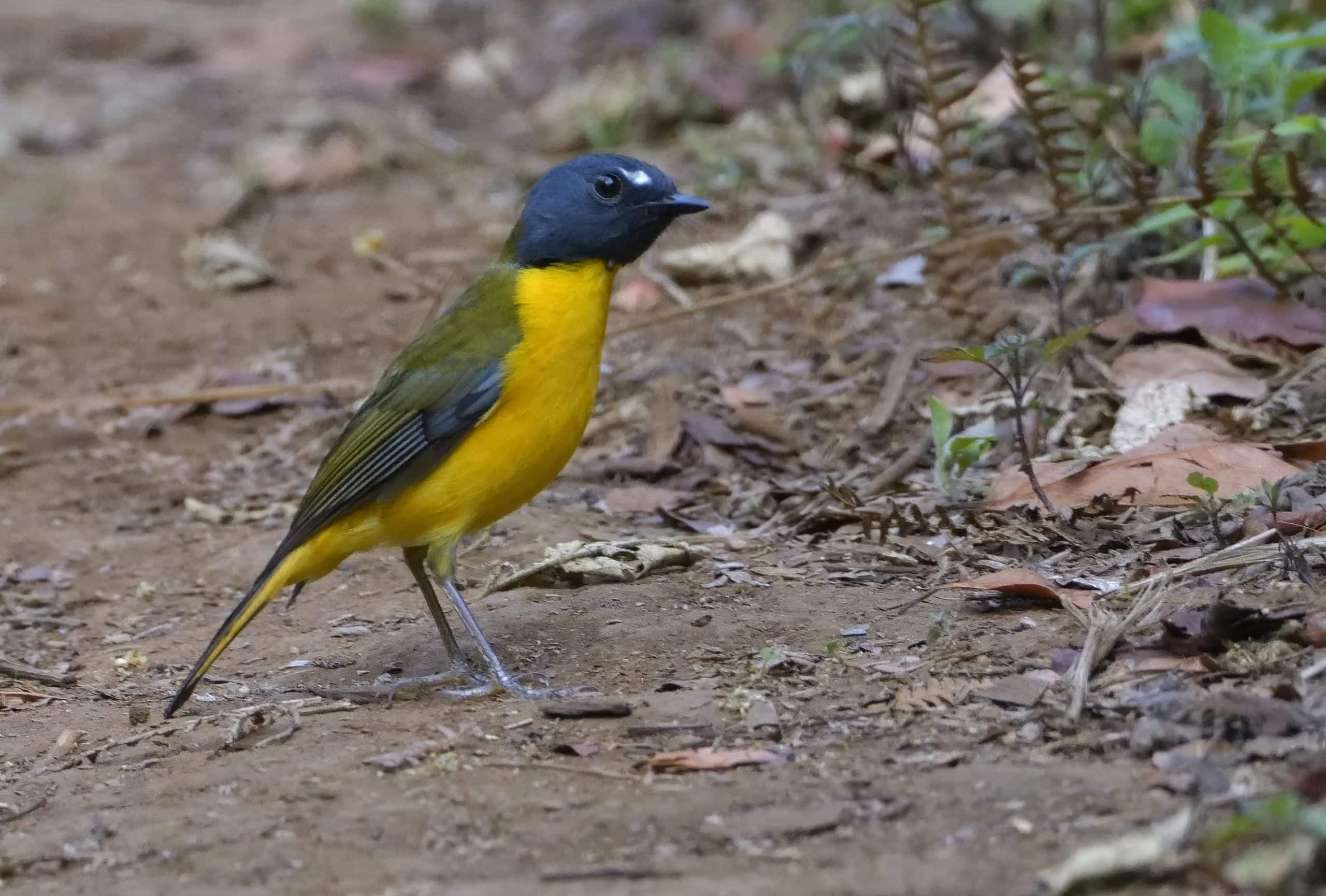
White-starred Robin
Pogonocichla stellata
Other species we may encounter
- Silvery-cheeked HornbillBycanistes brevis
- African Emerald CuckooChrysococcyx cupreus
- Kikuyu White-eyeZosterops kikuyuensis
- Mountain WagtailMotacilla clara
Day 3 — 3 March 2027
Day 3 · Lake Nakuru
The Rift Valley lakes begin.
Lake Nakuru National Park · Sopa Lodge
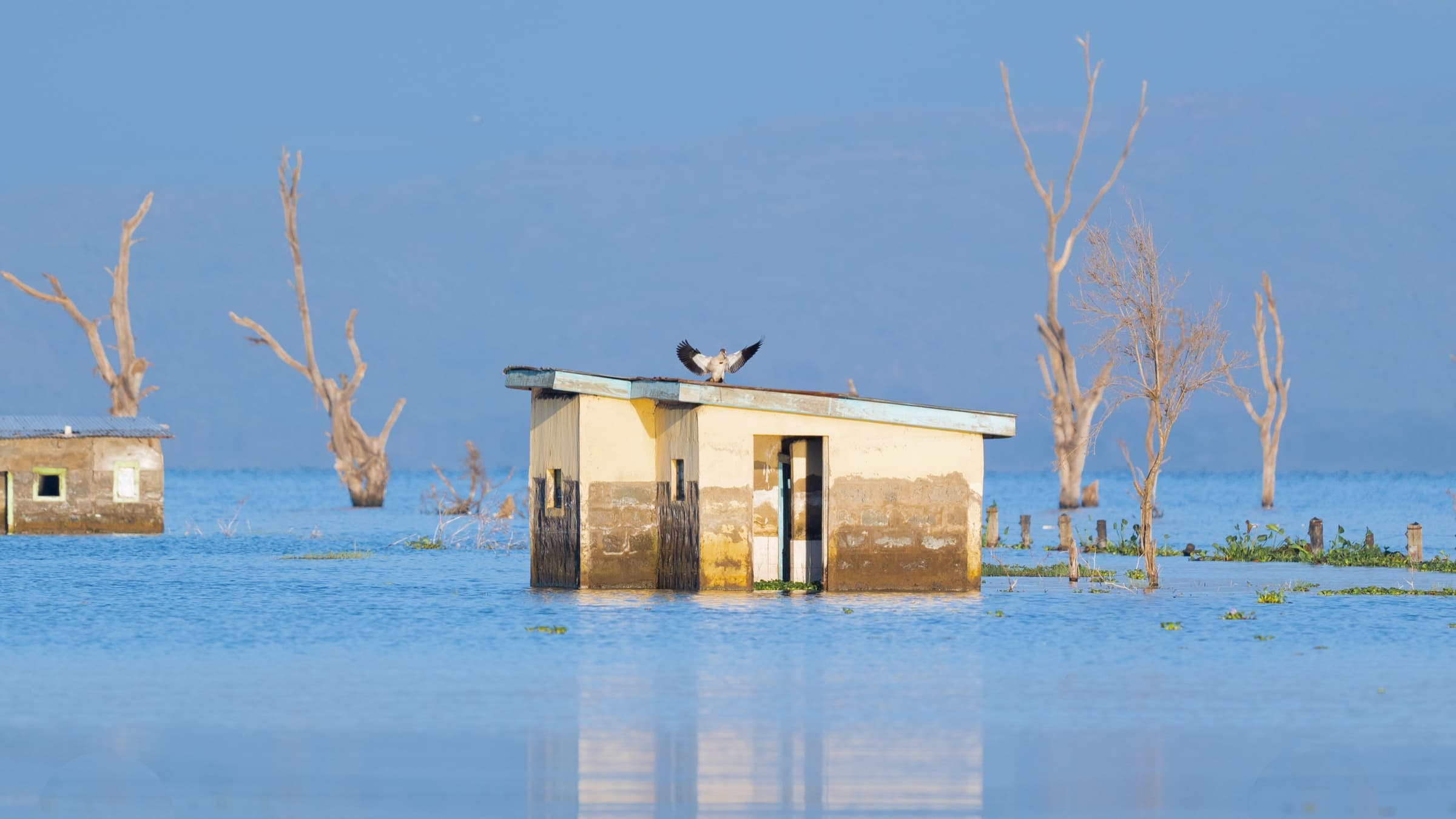
From montane forest to open water. Lake Nakuru sits on the Rift Valley floor — and the transition from highland forest to alkaline lake is immediate and complete.
Fish eagles over the shoreline. Pelican flocks offshore. Yellow-billed storks in the shallows. The scale here is unlike anything from the previous two days.
Habitat
Birds we look for — Day 3
Hero bird
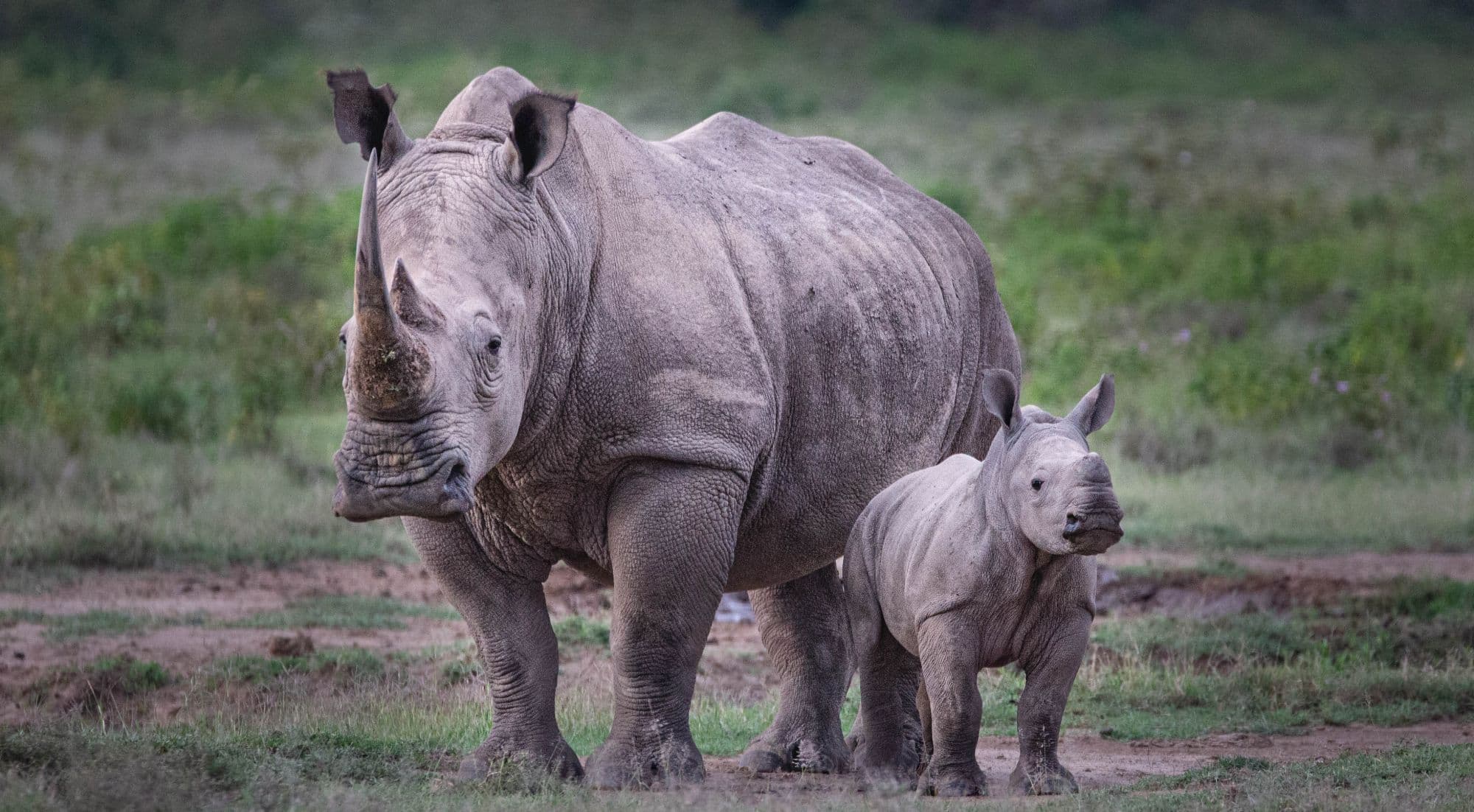
White Rhino
Ceratotherium simum
Lake Nakuru NP hosts one of Kenya's most important Southern White Rhino populations. The park's fenced perimeter makes close encounters with mother-calf pairs reliably possible.
Featured birds — 3 photographs
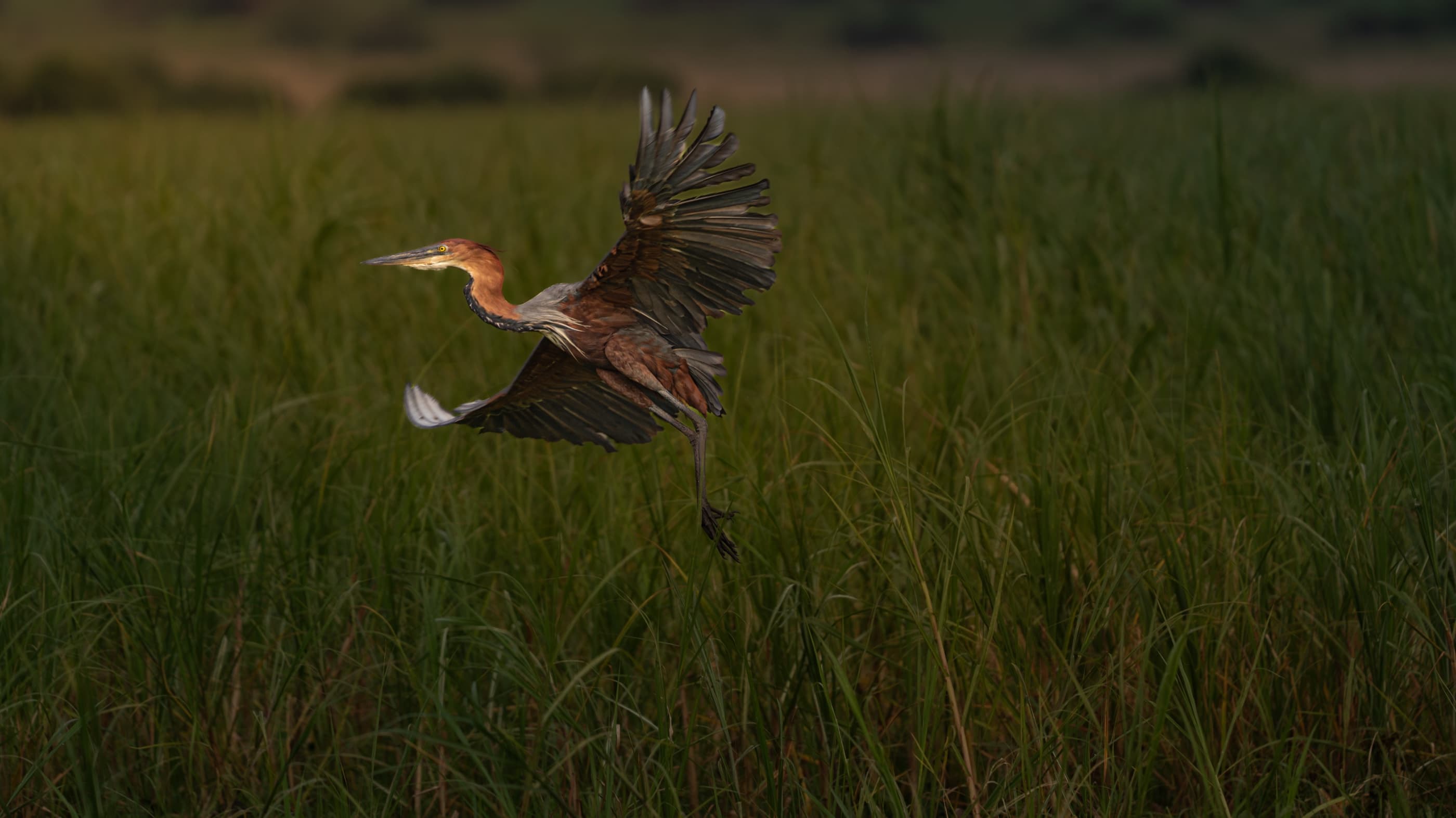
Goliath Heron
Ardea goliath
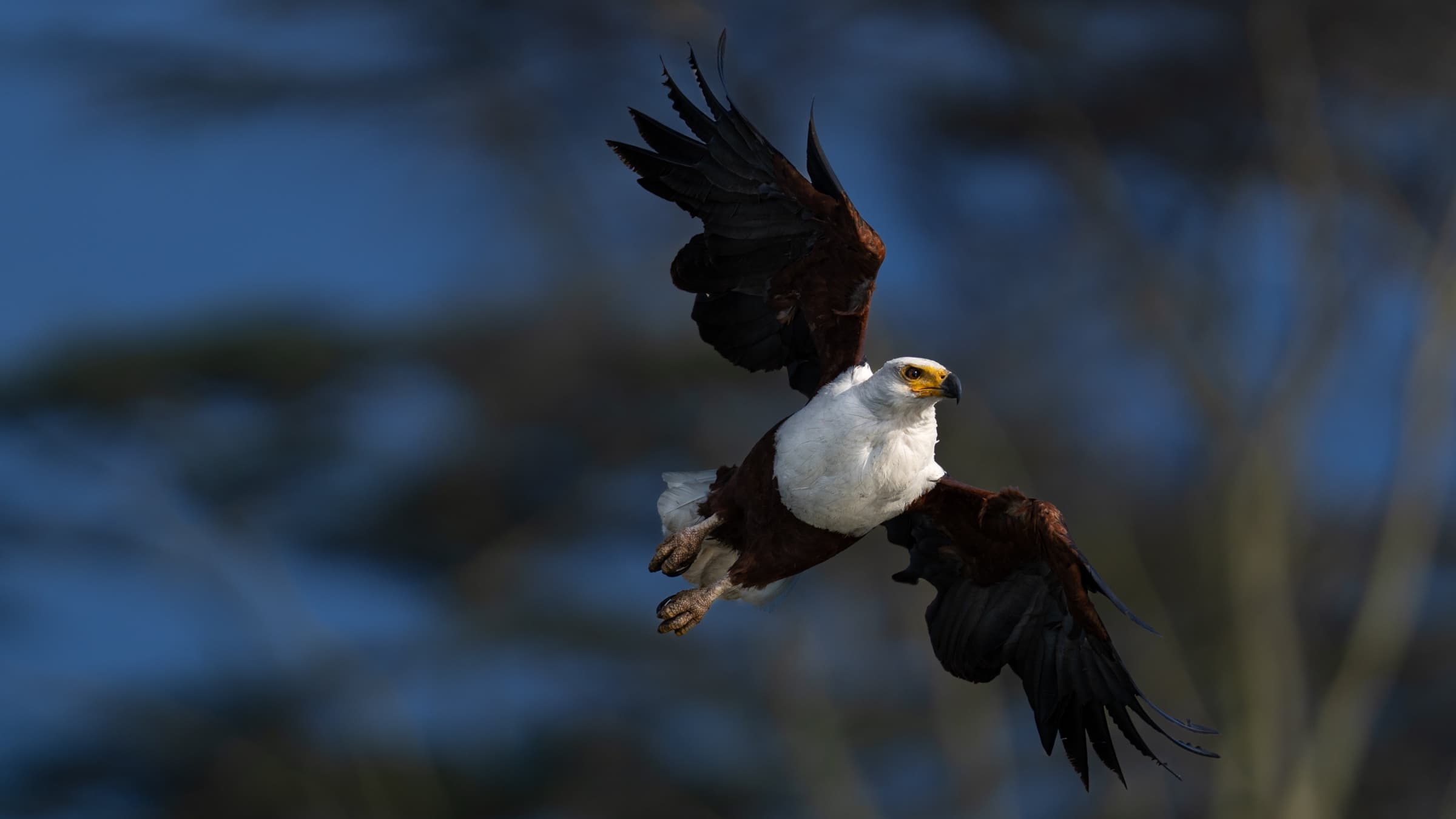
African Fish Eagle
Haliaeetus vocifer
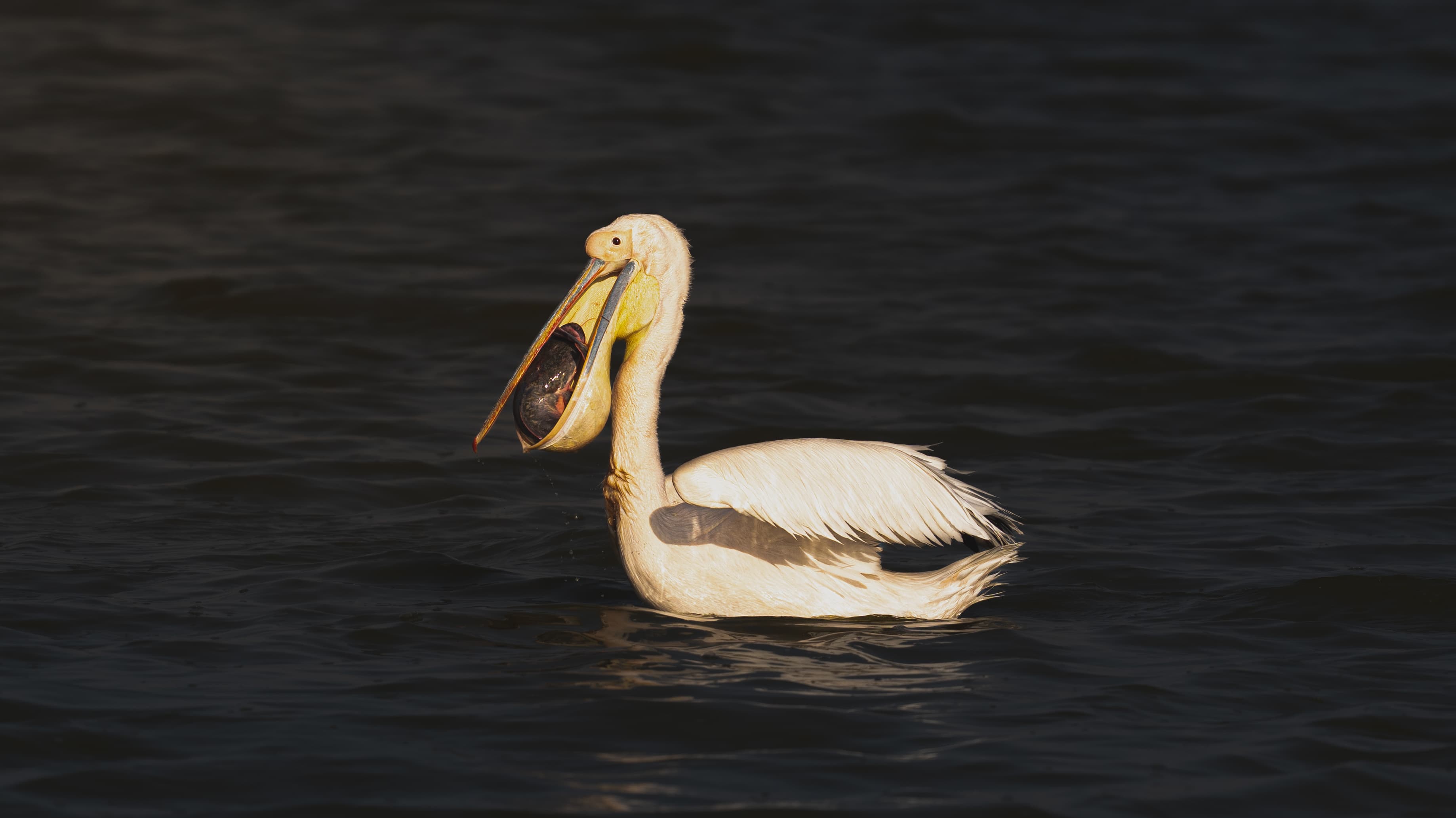
Great White Pelican
Pelecanus onocrotalus
More species — 6 photographs
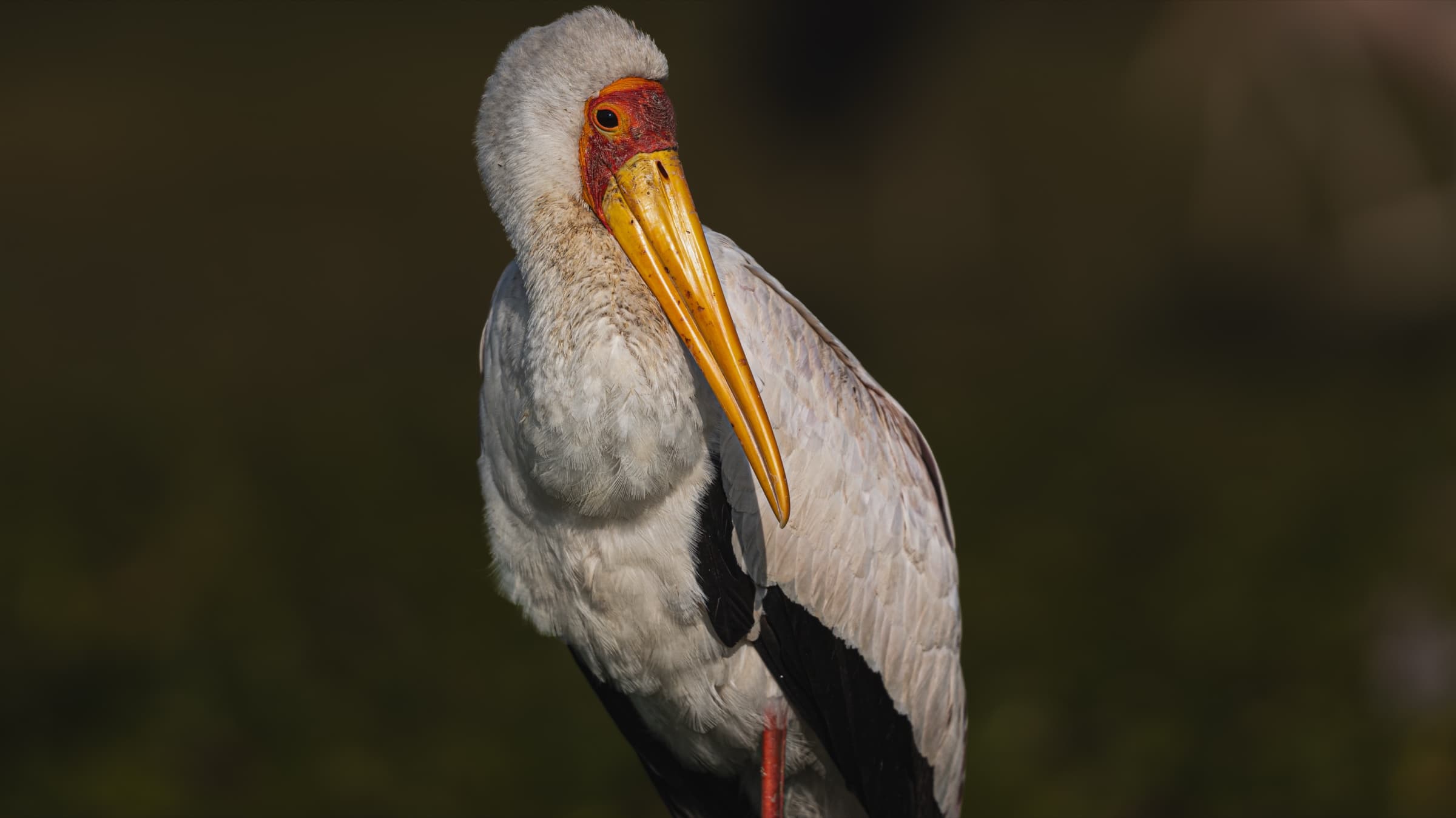
Yellow-billed Stork
Mycteria ibis
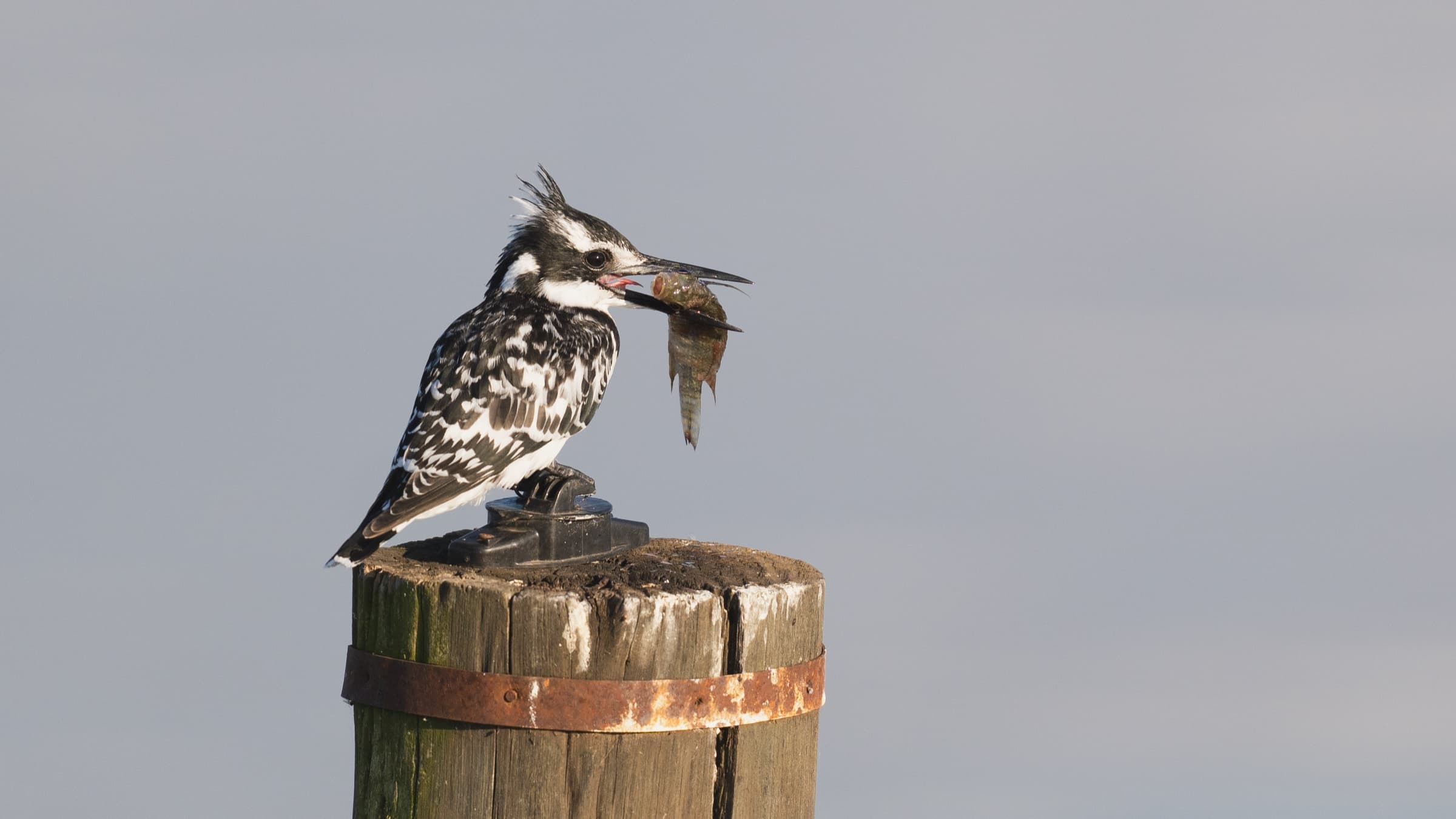
Pied Kingfisher
Ceryle rudis
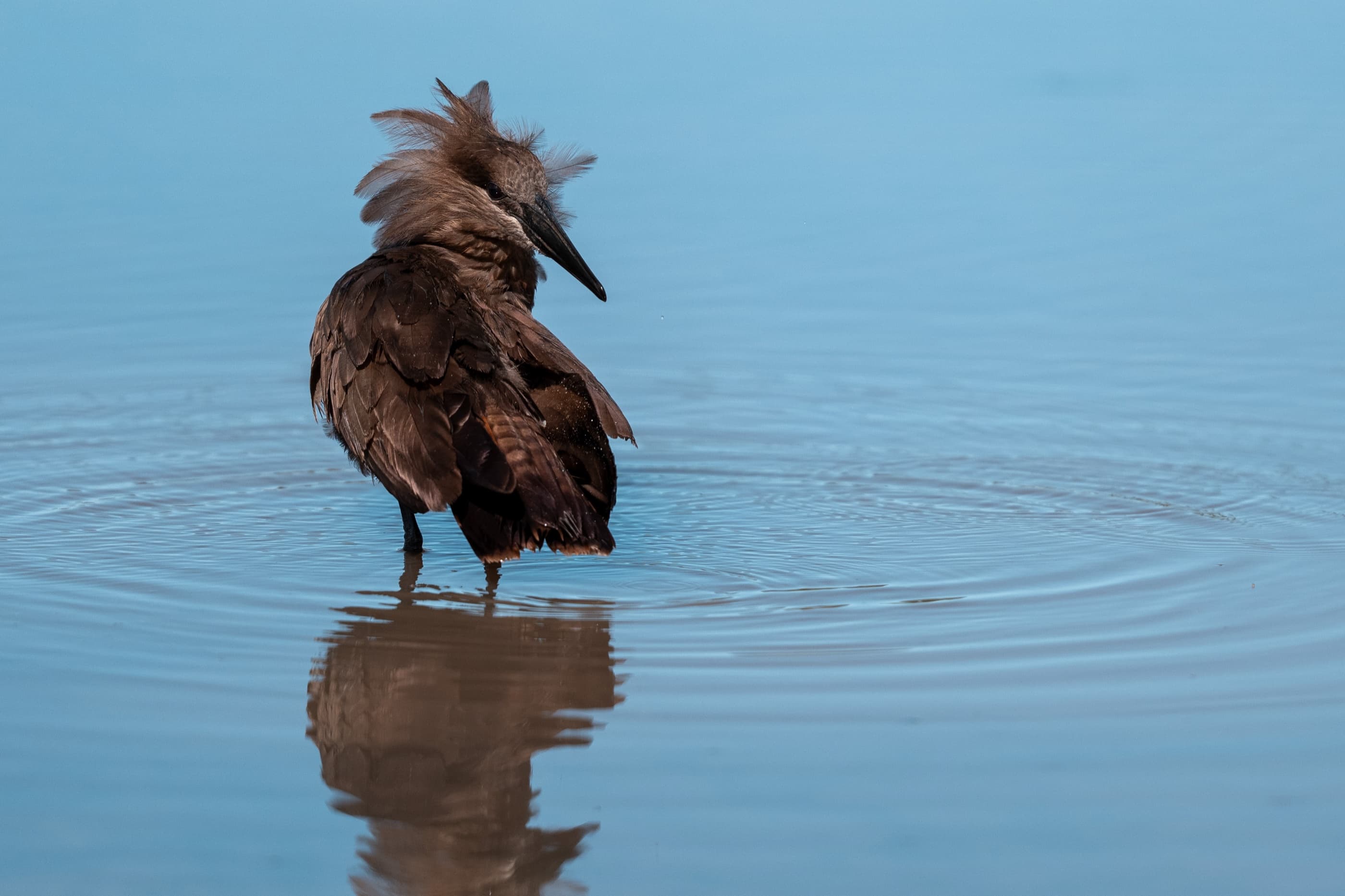
Hamerkop
Scopus umbretta
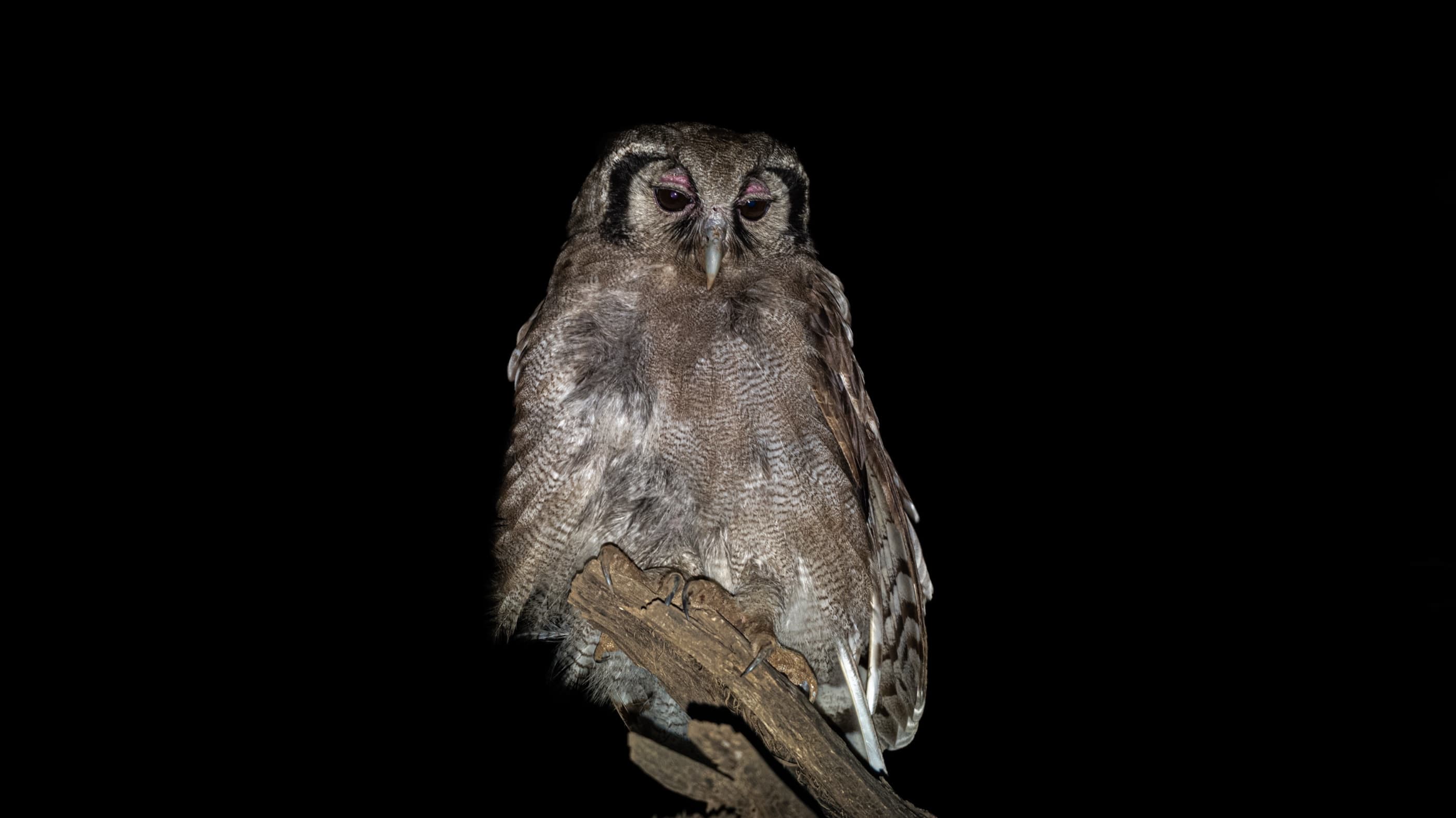
Verreaux's Eagle-Owl
Ketupa lactea
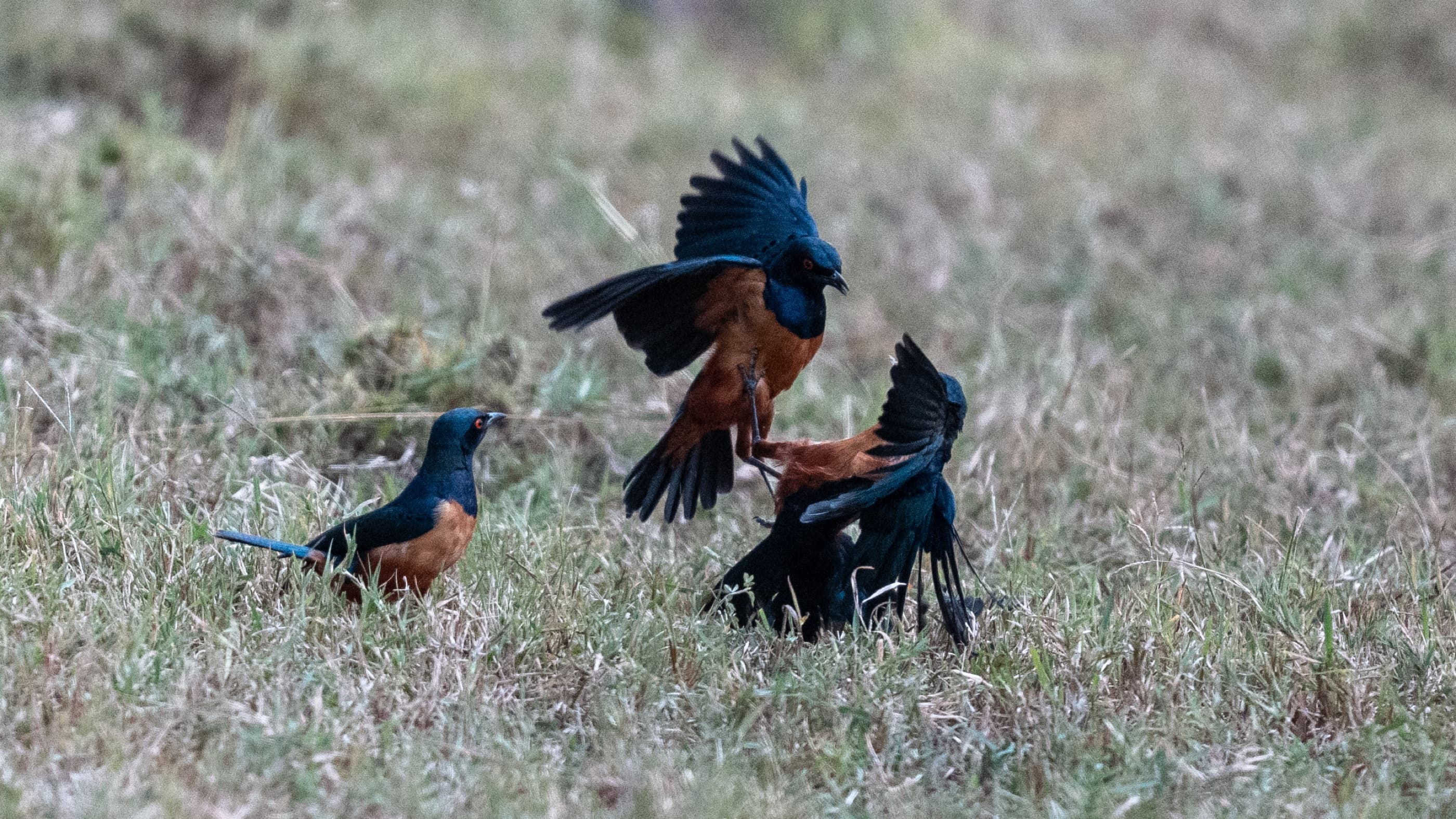
Hildebrandt's Starling
Lamprotornis hildebrandti
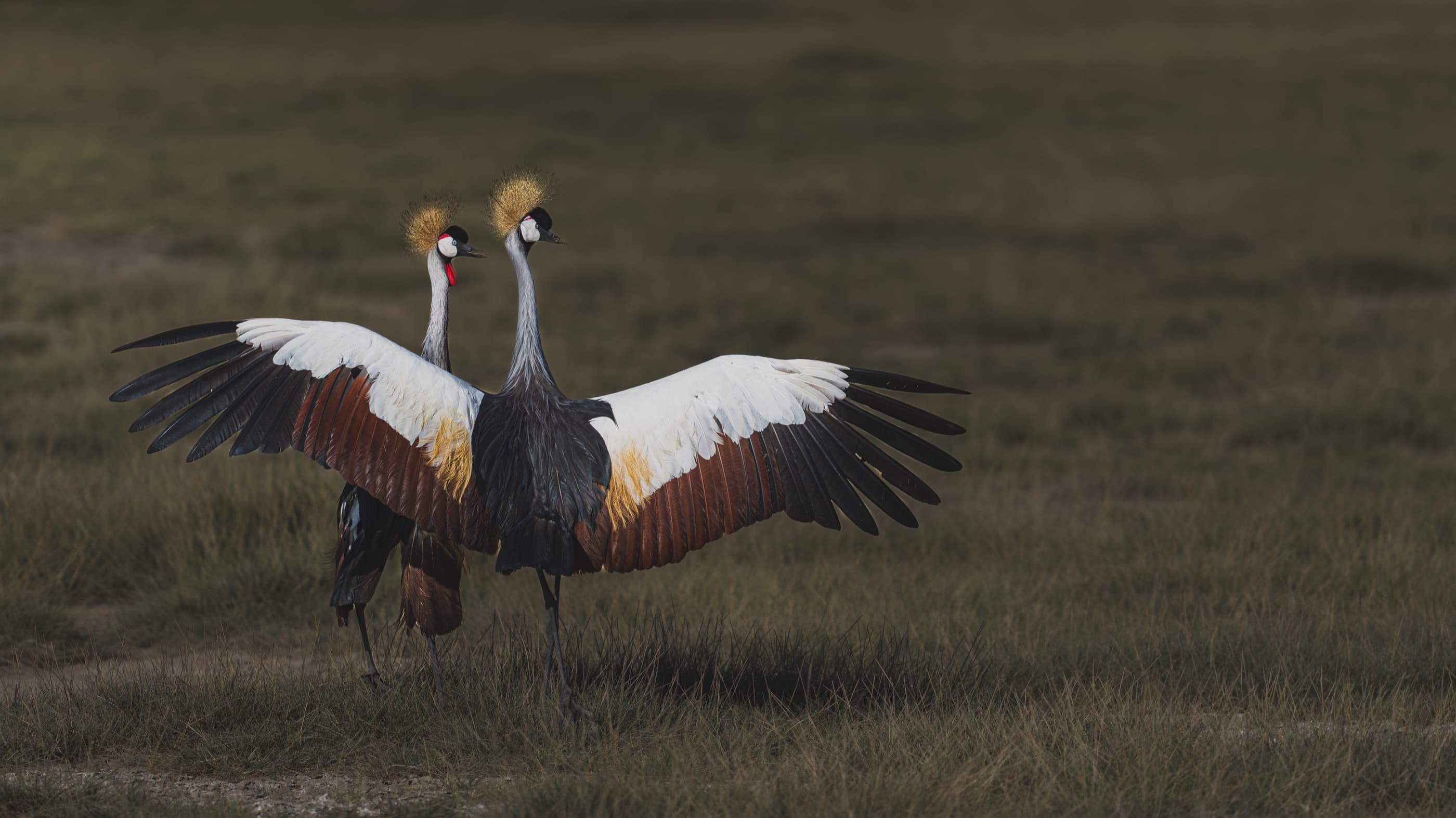
Grey Crowned Crane
Balearica regulorum
Days 4–5 — 4–5 March 2027
Days 4–5 · Kakamega Forest
Kenya's only tropical rainforest.
Rando Retreat Lodge · Kakamega Forest
Kakamega Forest is a remnant of the ancient Guineo-Congolian forest belt — a piece of Central Africa preserved in western Kenya. The birds here belong to the Congo basin, not the savannah.
Two full days inside the forest. Great blue turaco, blue-headed bee-eater, African grey parrot, black-and-white-casqued hornbill. Forest photography requires patience — and Rando Retreat Lodge puts you inside the canopy, not adjacent to it.
Habitat
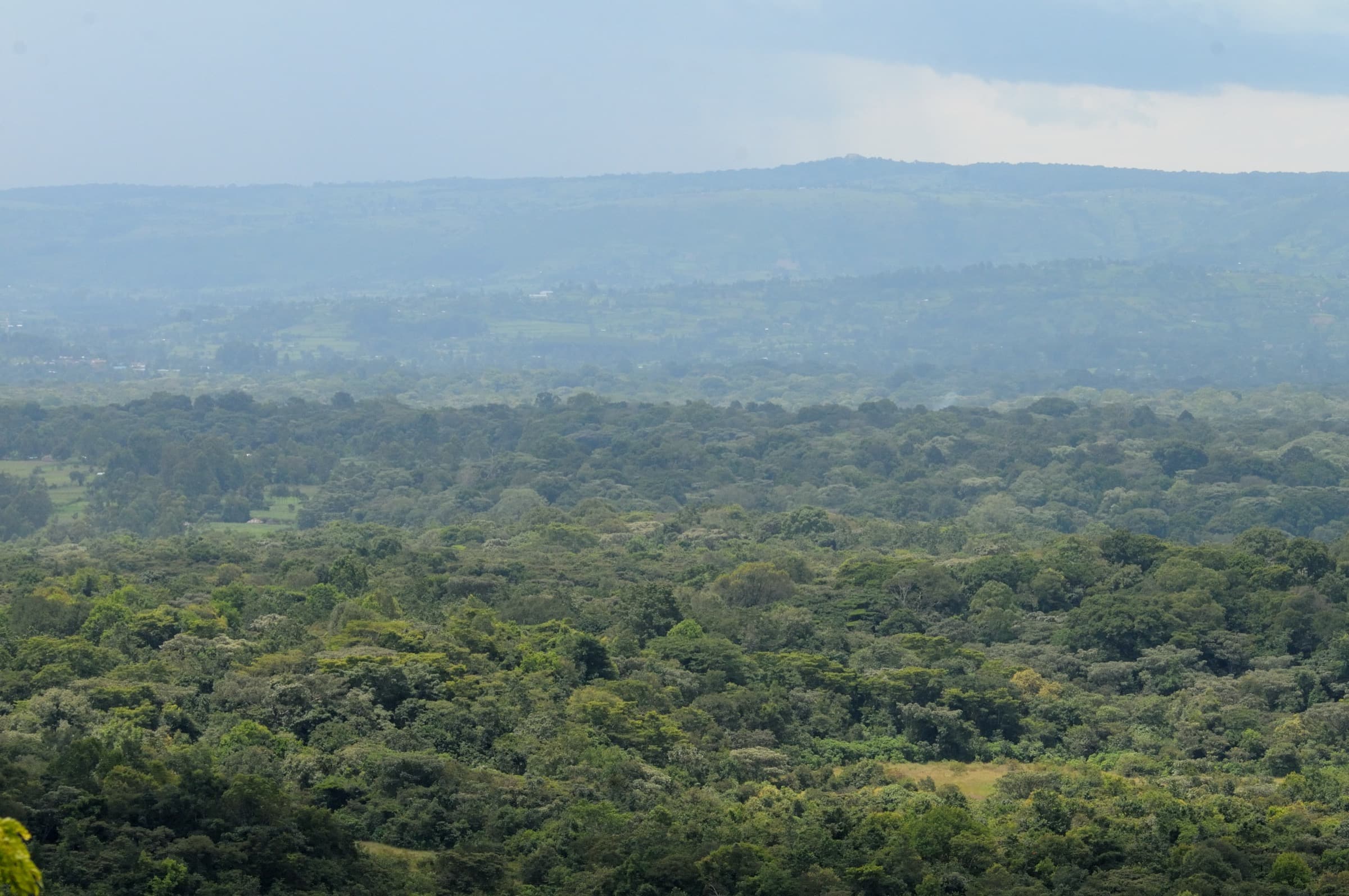
Birds we look for — Days 4–5
Hero bird
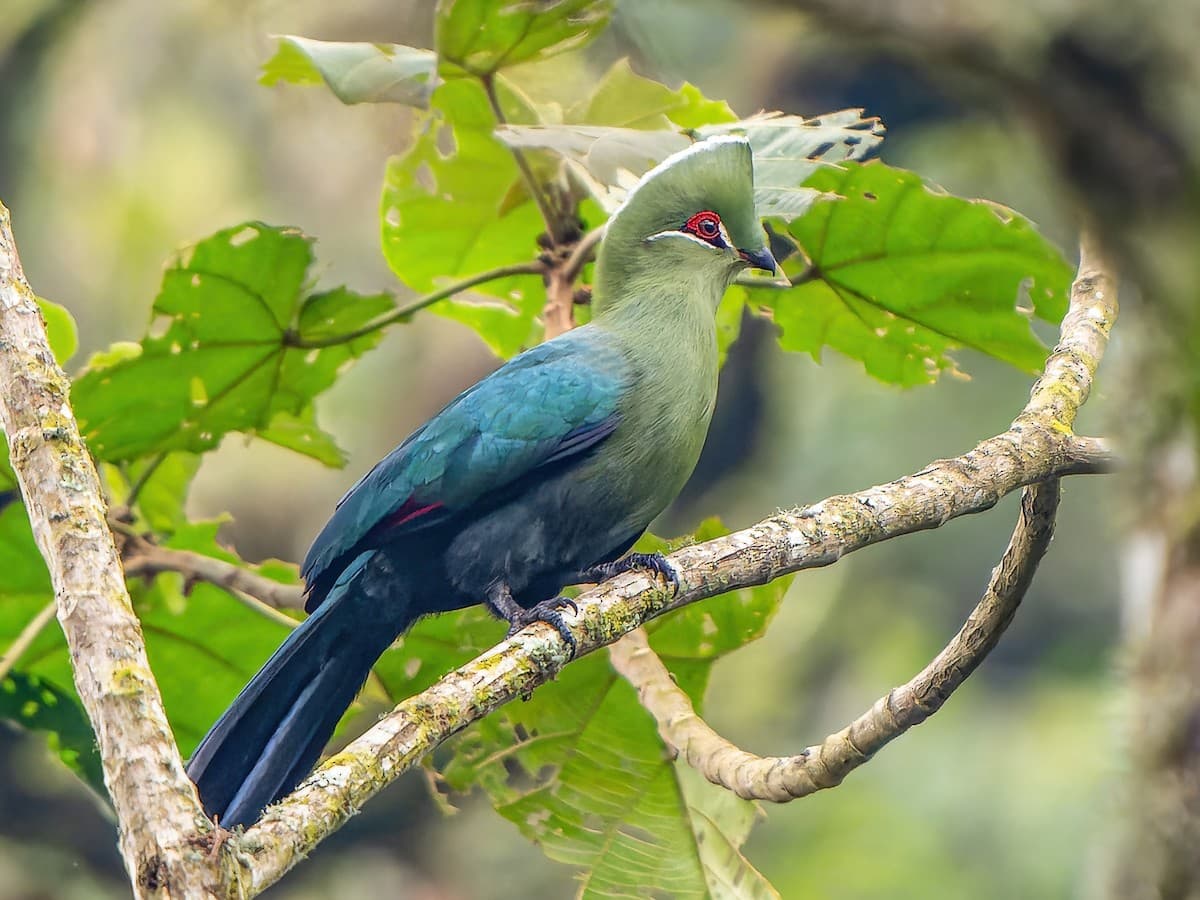
Black-billed Turaco
Tauraco schuettii
One of the Congo-basin turacos that reaches Kakamega and nowhere else on this route. The red primary flash is visible only in flight.
Featured birds — 3 photographs
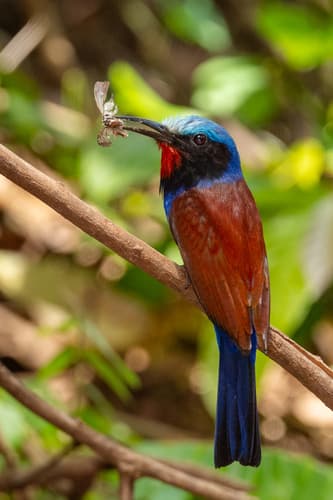
Blue-headed Bee-eater
Merops muelleri
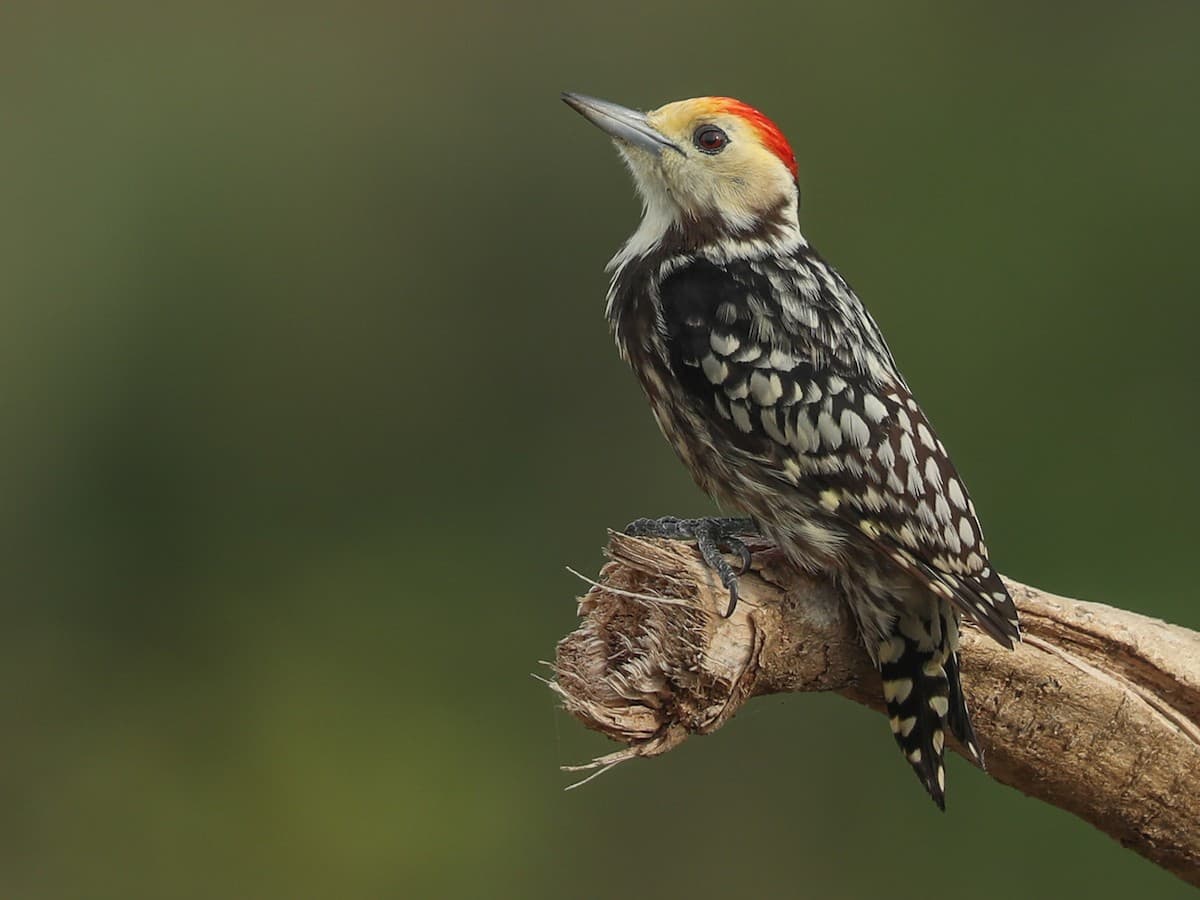
Yellow-crested Woodpecker
Chloropicus xantholophus
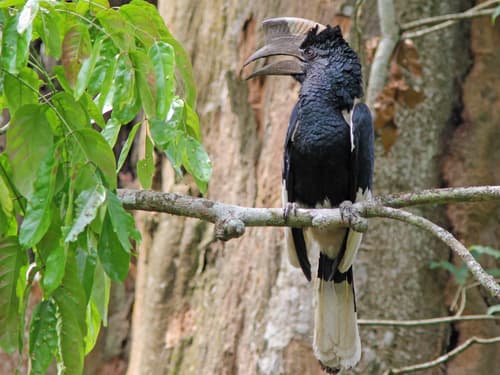
Black-and-white-casqued Hornbill
Bycanistes subcylindricus
More species — 4 photographs
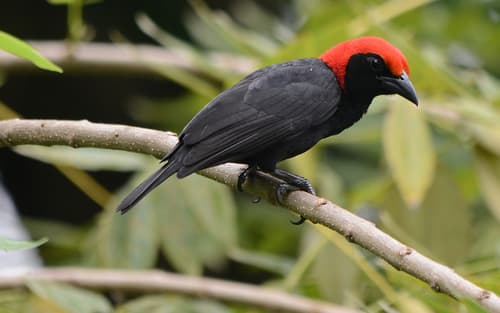
Red-headed Malimbe
Malimbus rubricollis
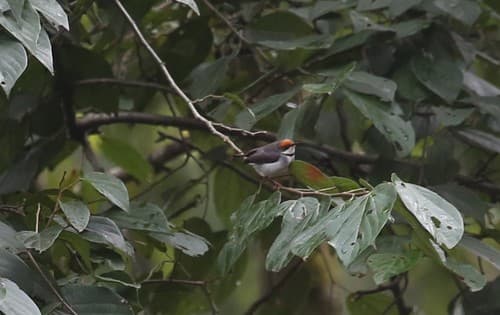
Turner's Eremomela
Eremomela turneri
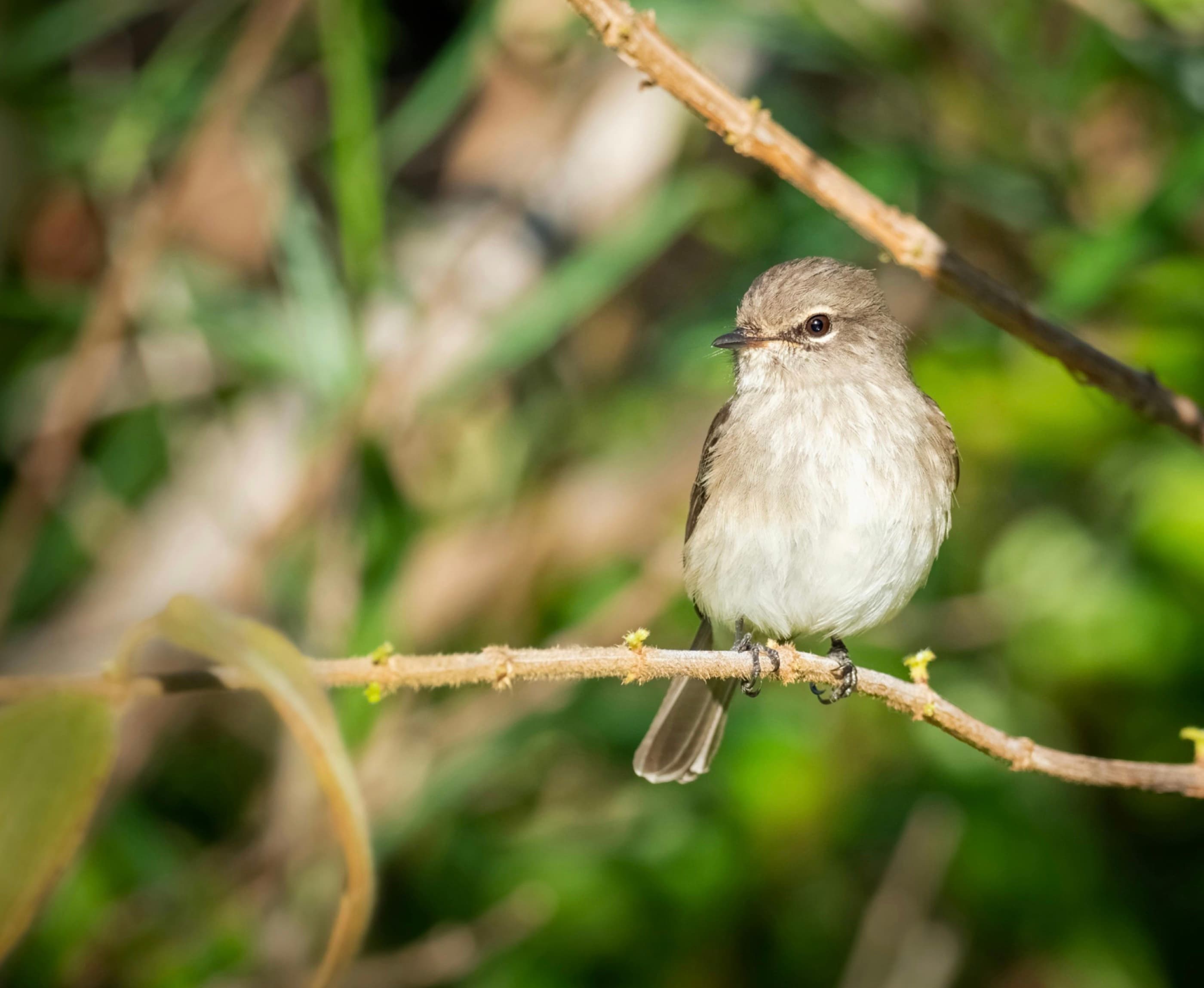
Chapin's Flycatcher
Muscicapa lendu
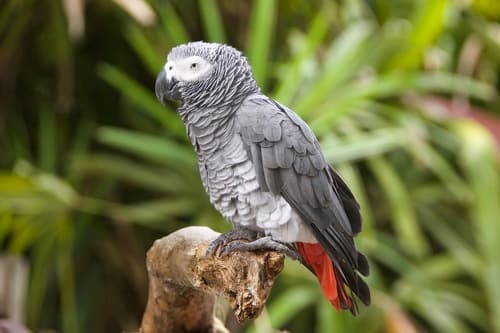
African Grey Parrot
Psittacus erithacus
Other species we may encounter
- Great Blue TuracoCorythaeola cristata
- White-spotted FlufftailSarothrura pulchra
- Grey-winged Robin-ChatCossypha polioptera
- African Shining CuckooChrysococcyx cupreus
Days 6–7 — 6–7 March 2027
Days 6–7 · Masai Mara
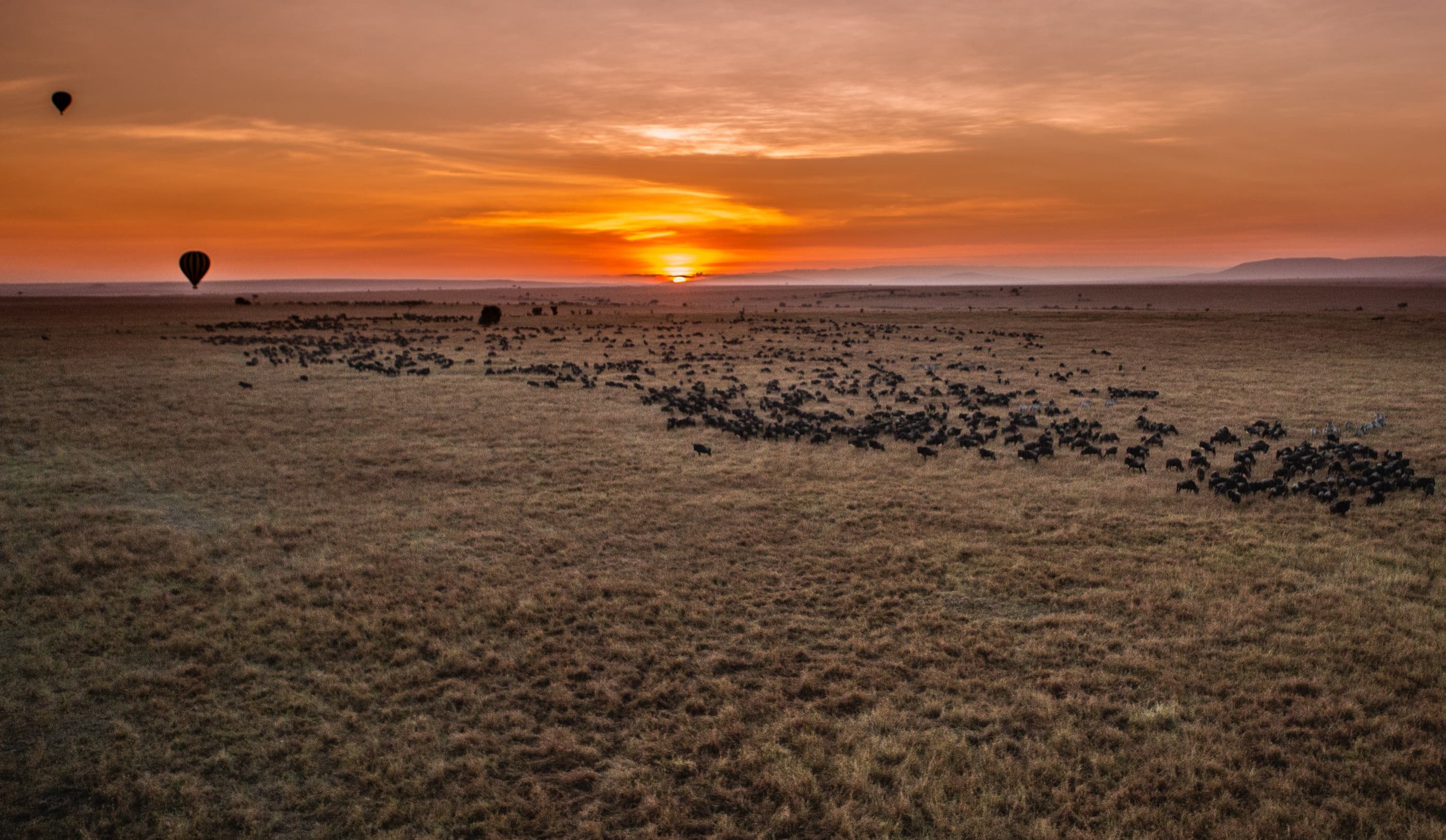
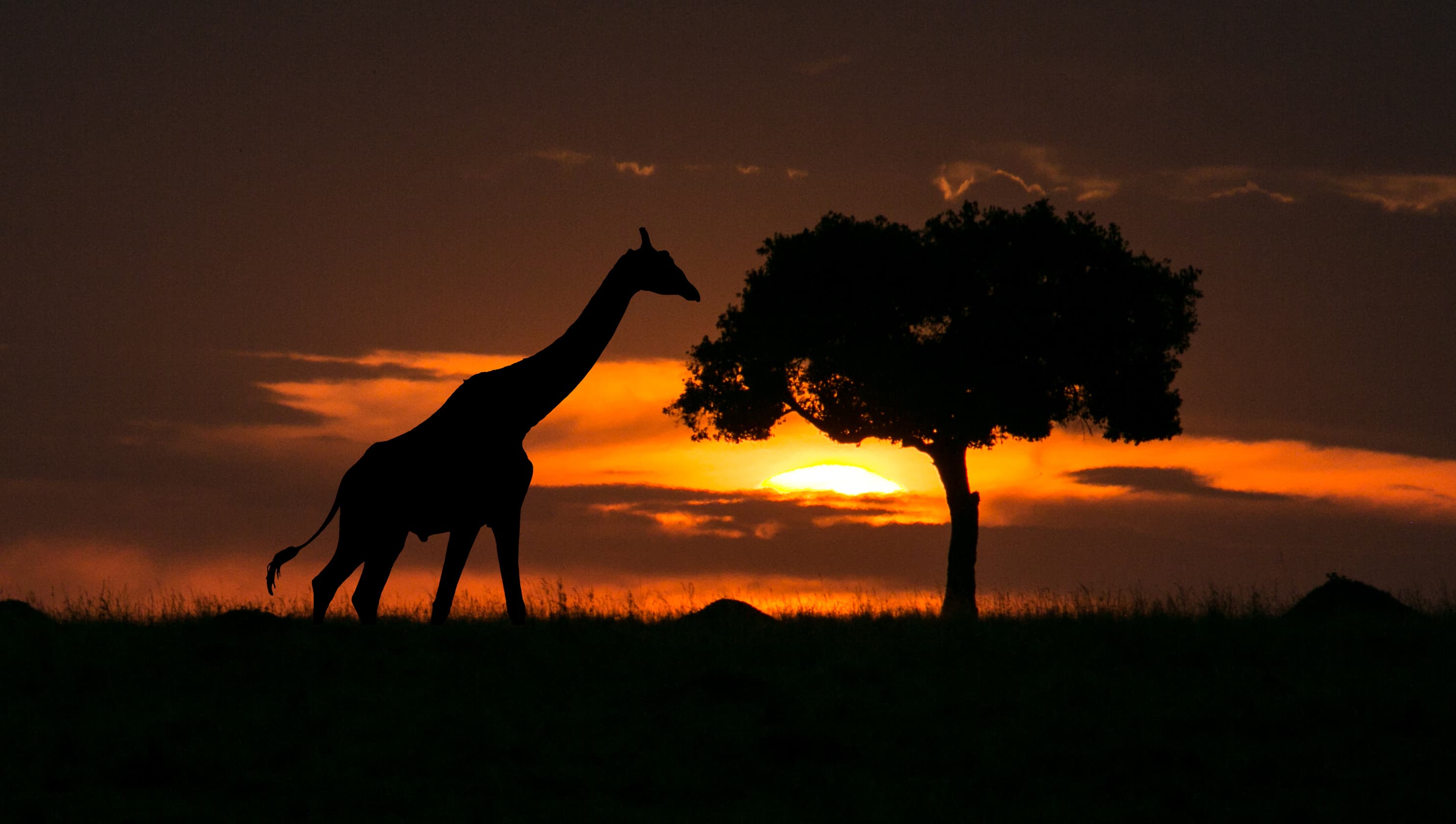
Open savannah. The grassland birds.
Fig Tree Lodge · Masai Mara
From forest to open sky. The Mara is not a surprise — it is the context for everything else on this journey. After five days in forests and lakes, the open grassland looks different.
Secretarybirds and kori bustards again — but now in the savannah. Southern ground hornbill, lilac-breasted roller. Two full days to work the Mara's grassland bird community.
Habitat
Birds we look for — Days 6–7
Hero bird
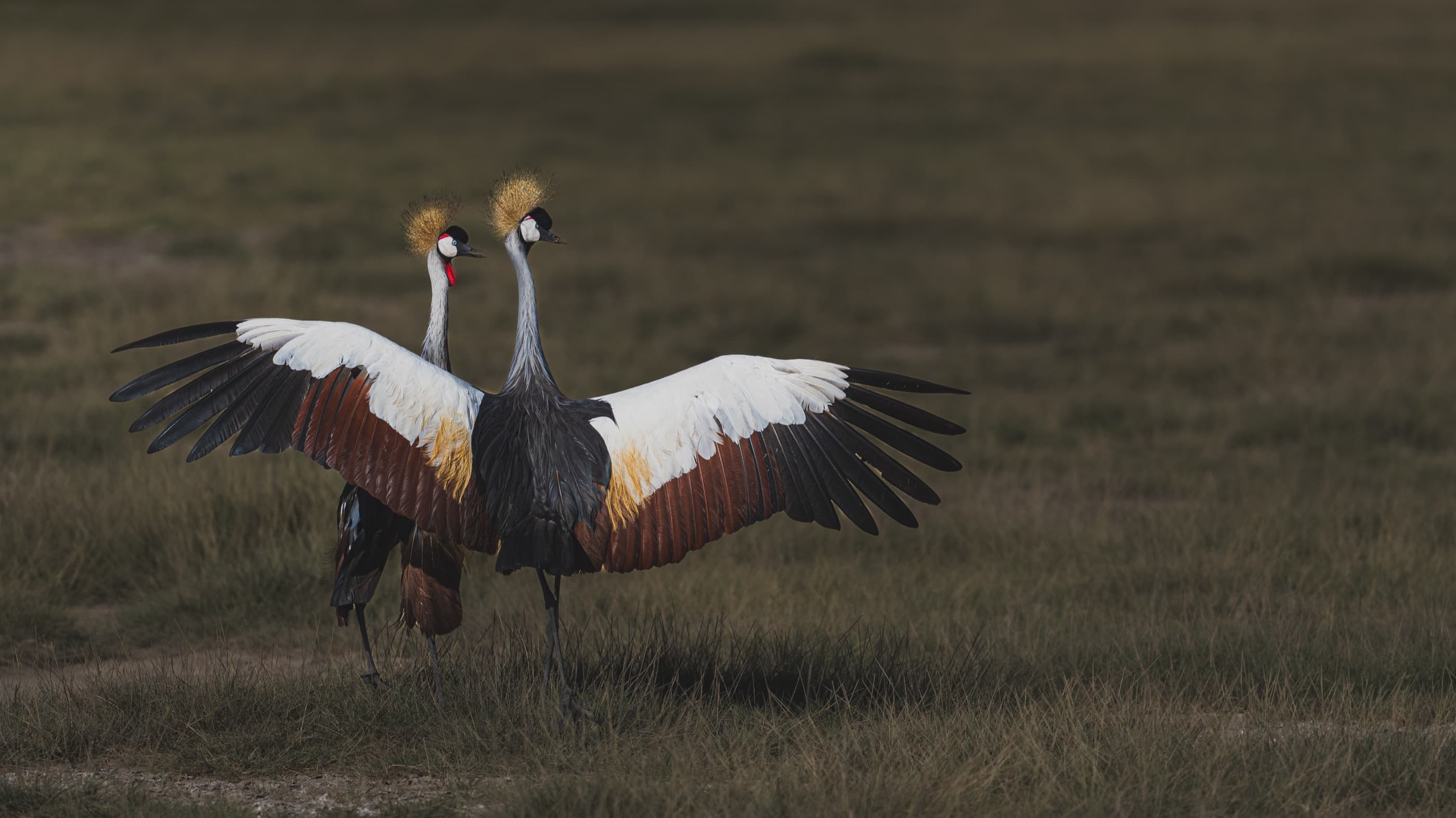
Grey Crowned Crane
Balearica regulorum
The crowned crane's courtship display — both birds extending wings simultaneously — is one of the great spectacles of the Mara grassland.
Featured birds — 3 photographs
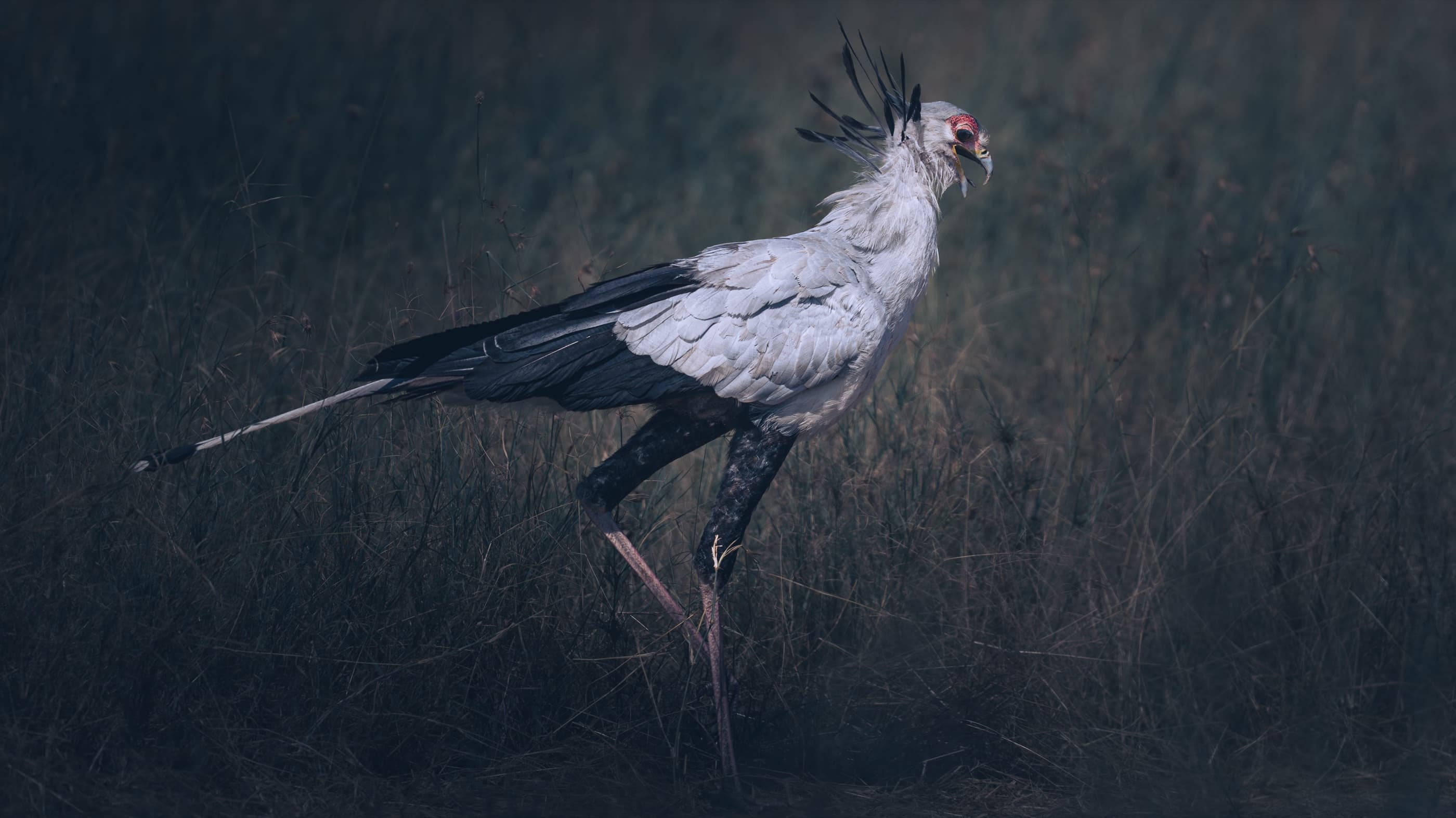
Secretarybird
Sagittarius serpentarius
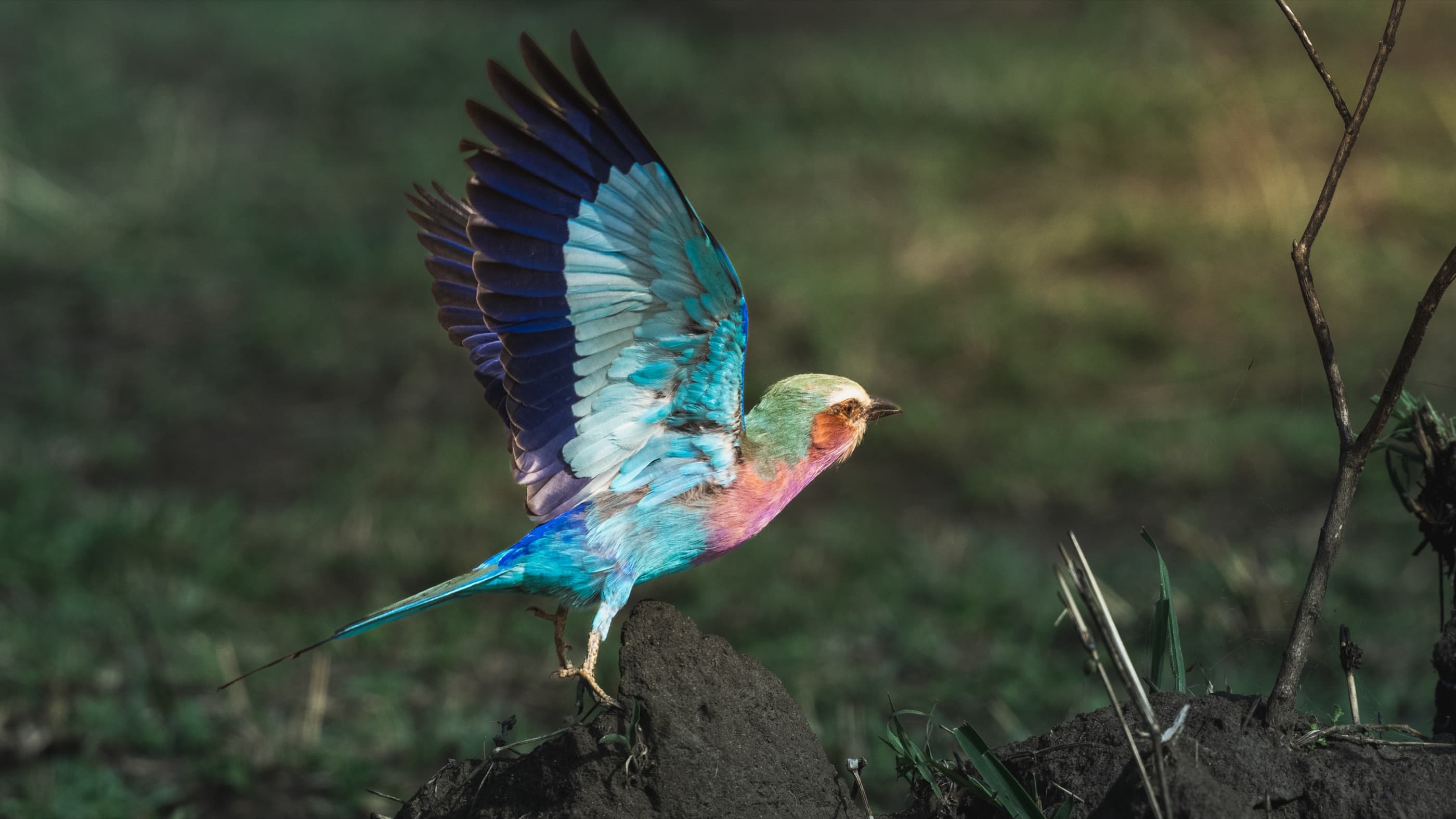
Lilac-breasted Roller
Coracias caudatus
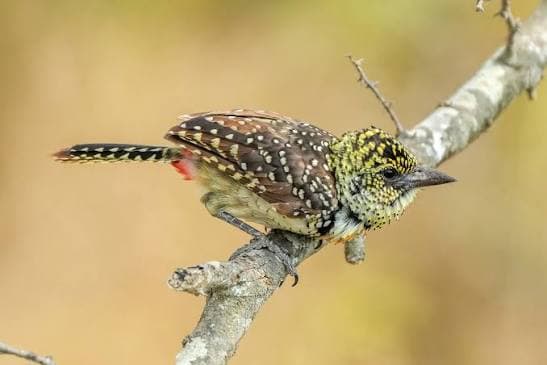
Usambiro Barbet
Trachyphonus usambiro
More species — 3 photographs
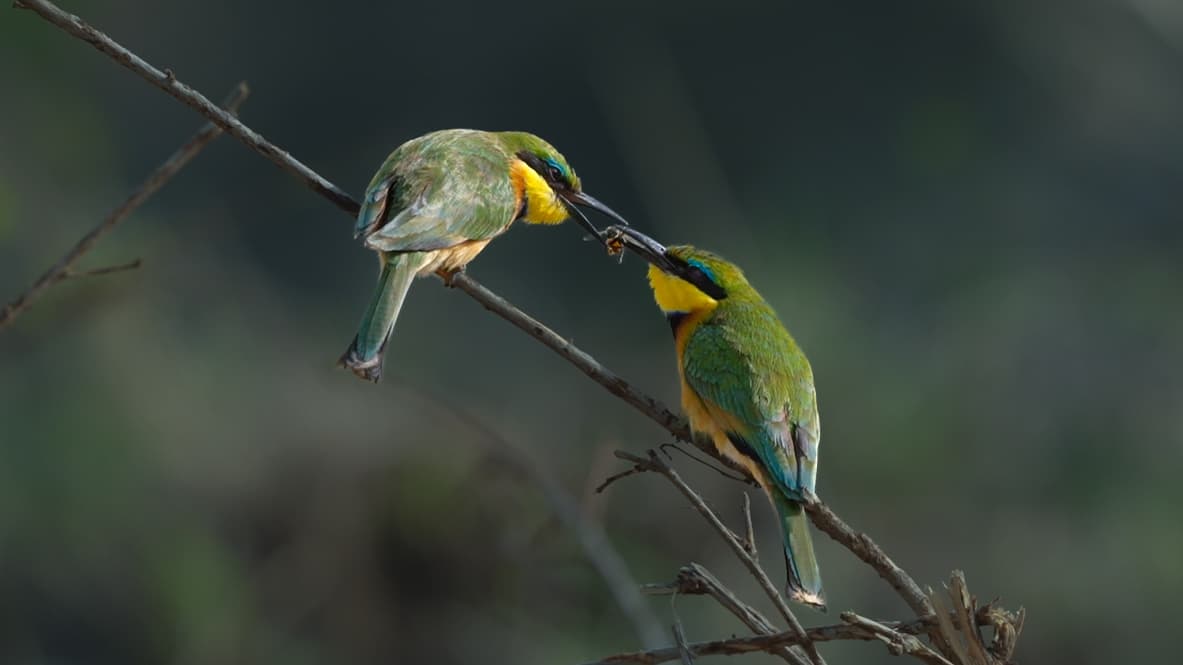
Little Bee-eater
Merops pusillus
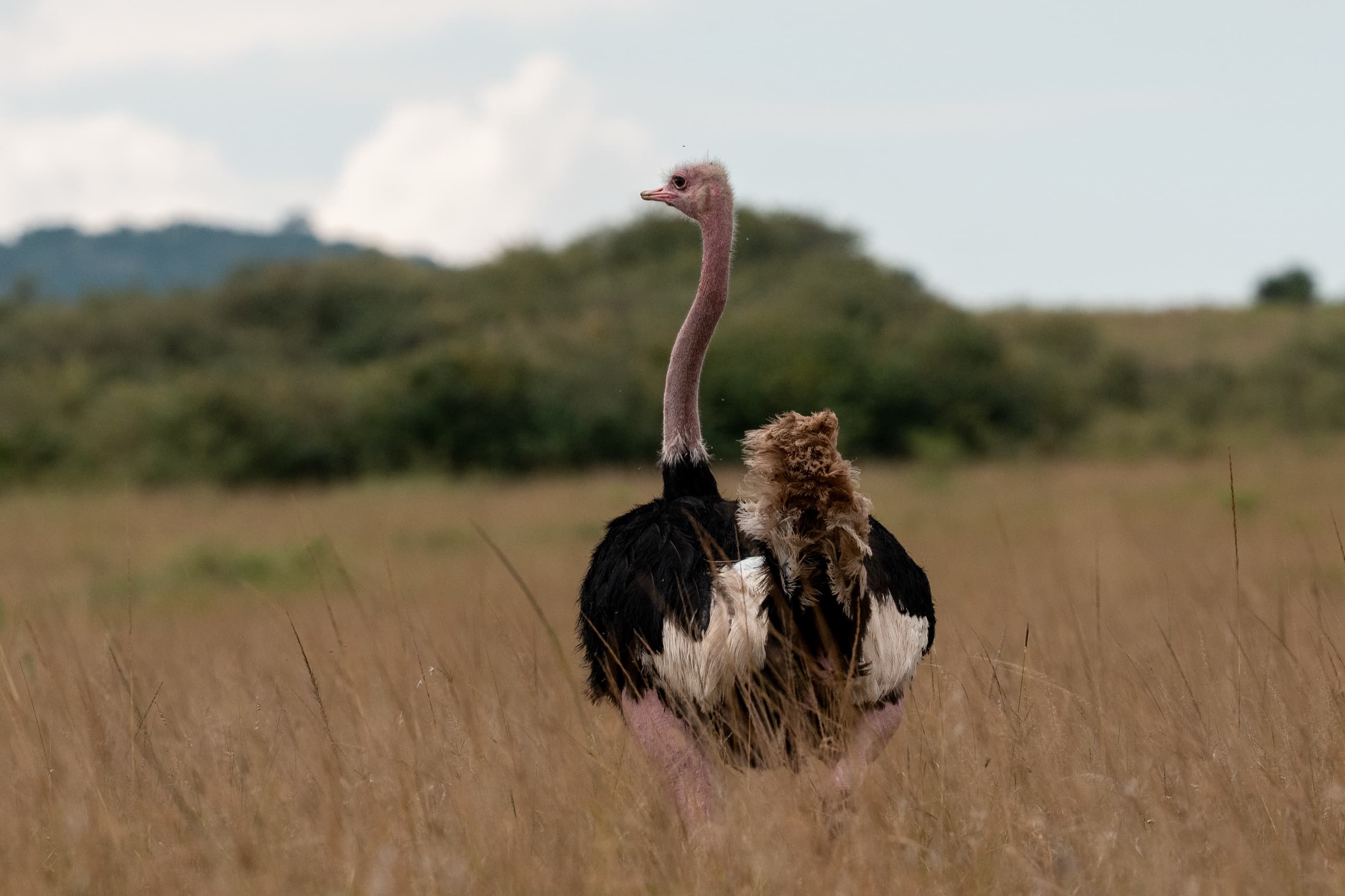
Common Ostrich
Struthio camelus
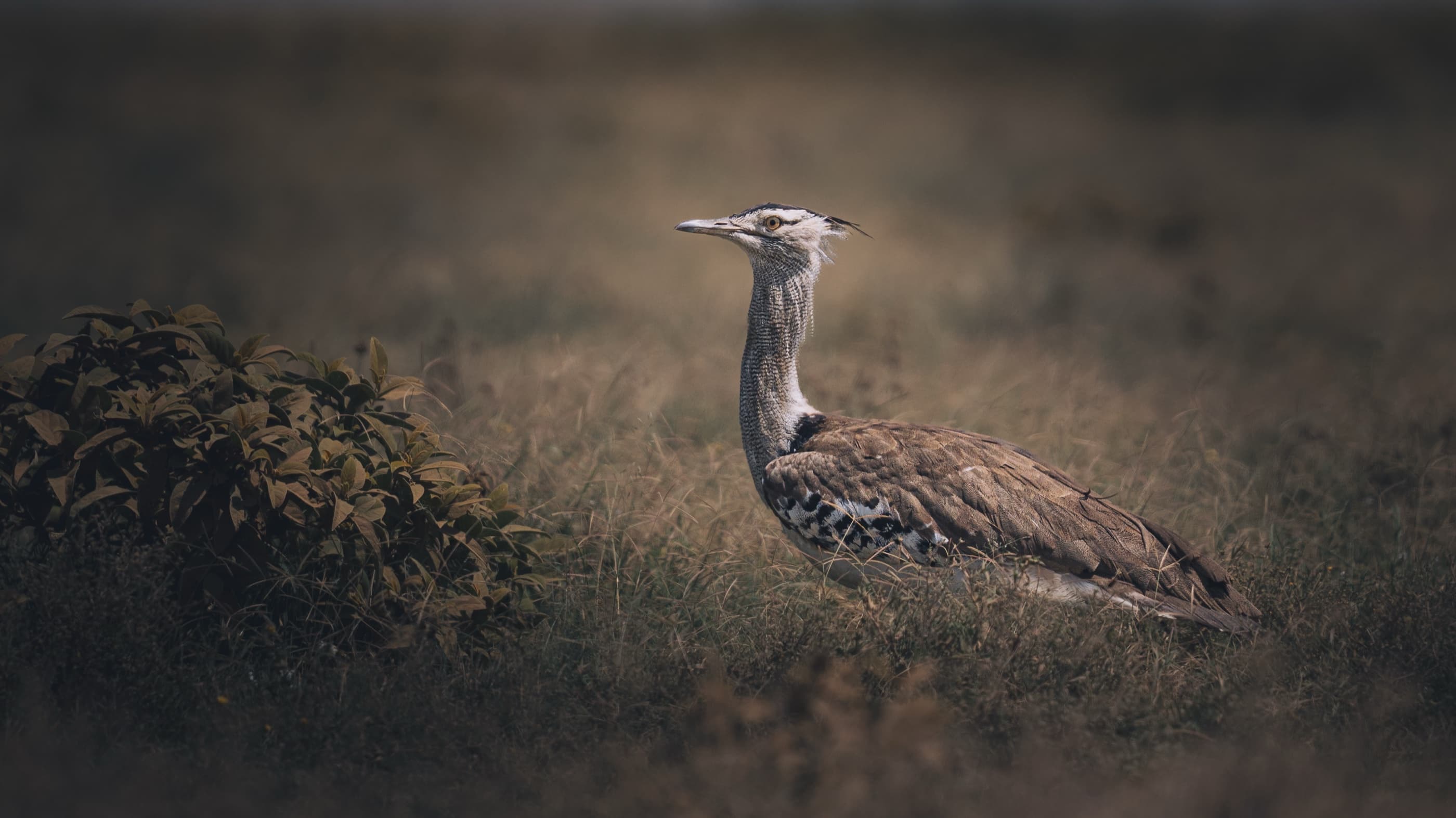
Kori Bustard
Ardeotis kori
Other species we may encounter
- Southern Ground HornbillBucorvus leadbeateri
- Tawny EagleAquila rapax
- Superb StarlingLamprotornis superbus
- White-bellied BustardEupodotis senegalensis
- Long-crested EagleLophaetus occipitalis
Day 8 — 8 March 2027
Day 8 · Lake Naivasha
Boat photography. Water-level birds.
Elsamere Lodge · Lake Naivasha
Naivasha is a freshwater lake — different chemistry, different ecology from Nakuru. Elsamere Lodge sits on the south shore; the morning session goes out by boat.
The boat gives you a geometry you cannot get from the shore. Pied kingfishers perch on the dock posts. Fish eagles work the papyrus margins. Malachite kingfishers move through the shallows.
Habitat
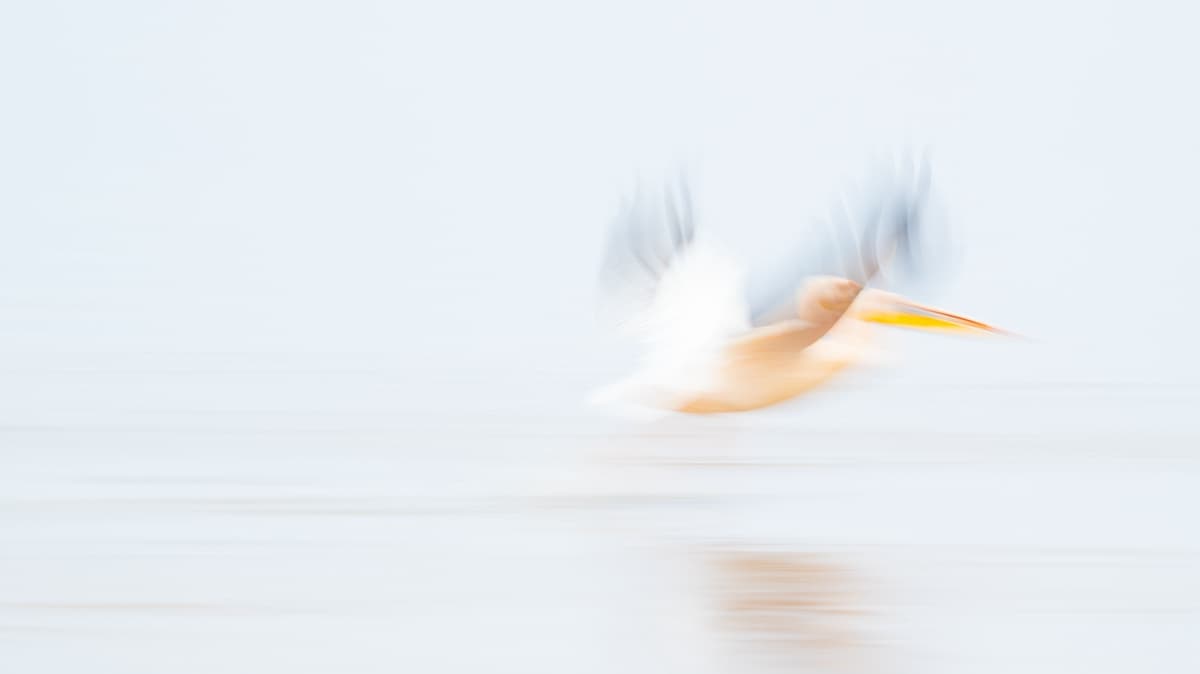
Birds we look for — Day 8
Hero bird
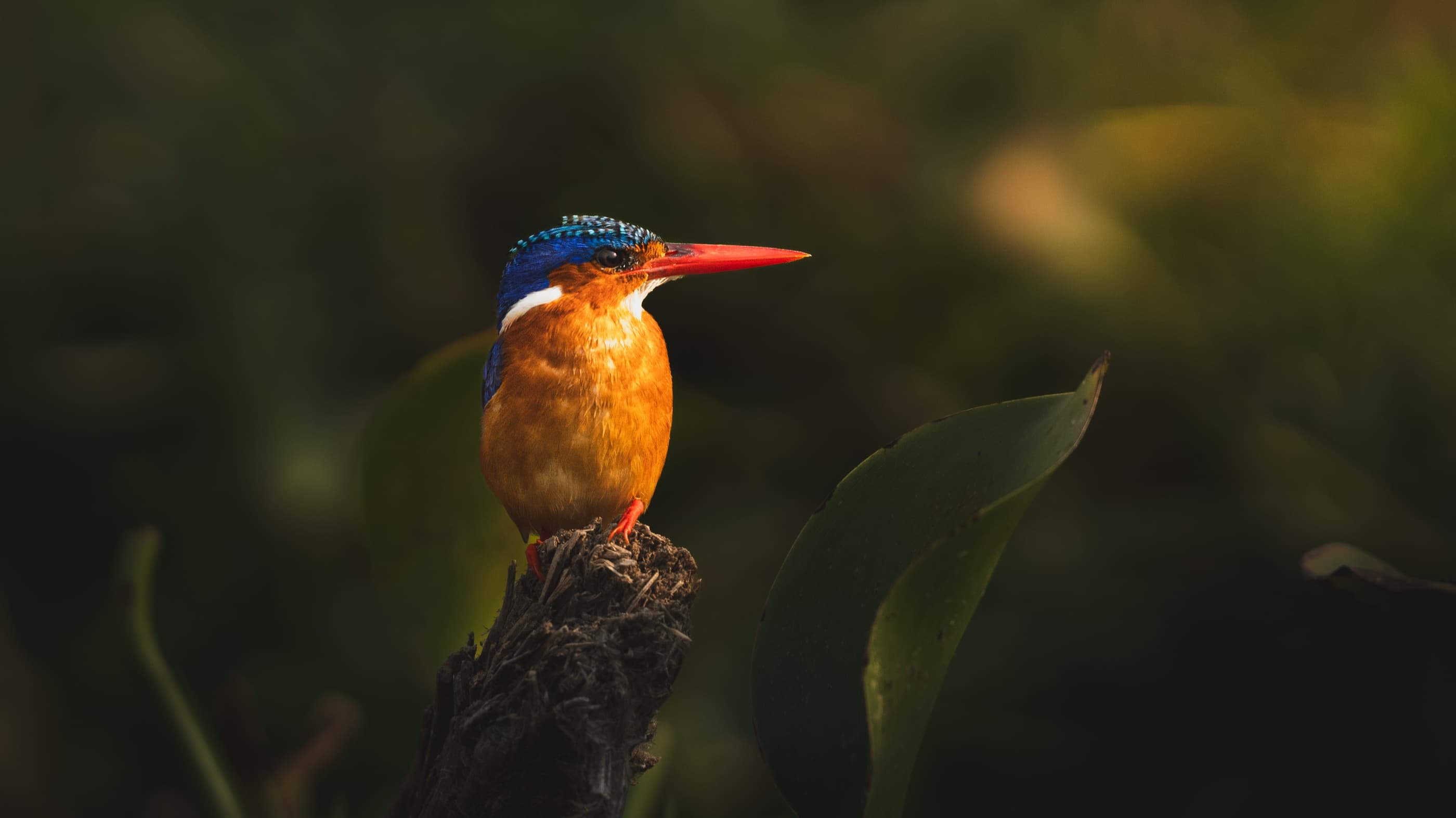
Malachite Kingfisher
Corythornis cristatus
The papyrus margins hold resident Malachite Kingfishers throughout the year. A boat session at first light gets you to the level of the perch.
Featured birds — 3 photographs
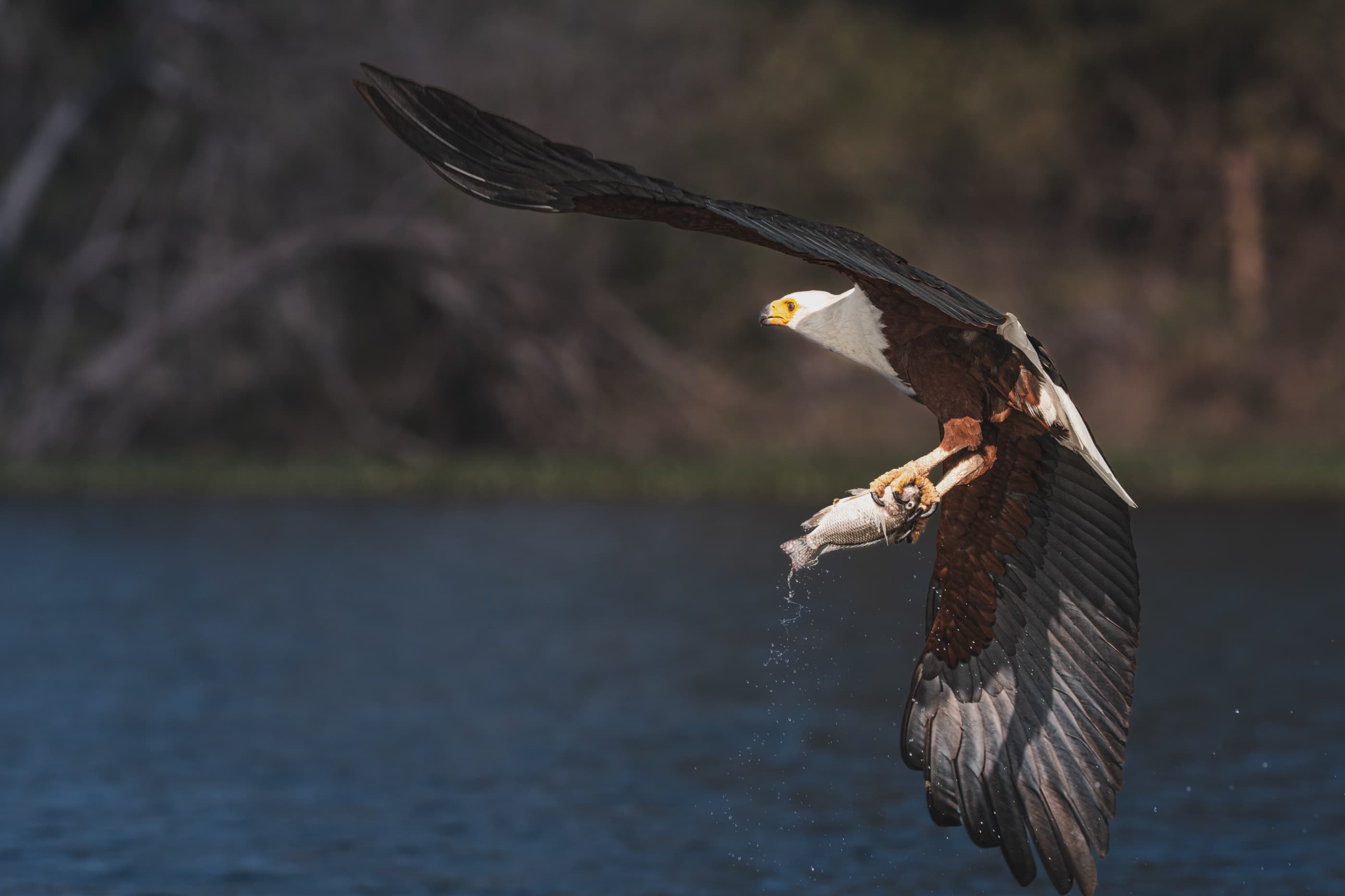
African Fish Eagle
Haliaeetus vocifer
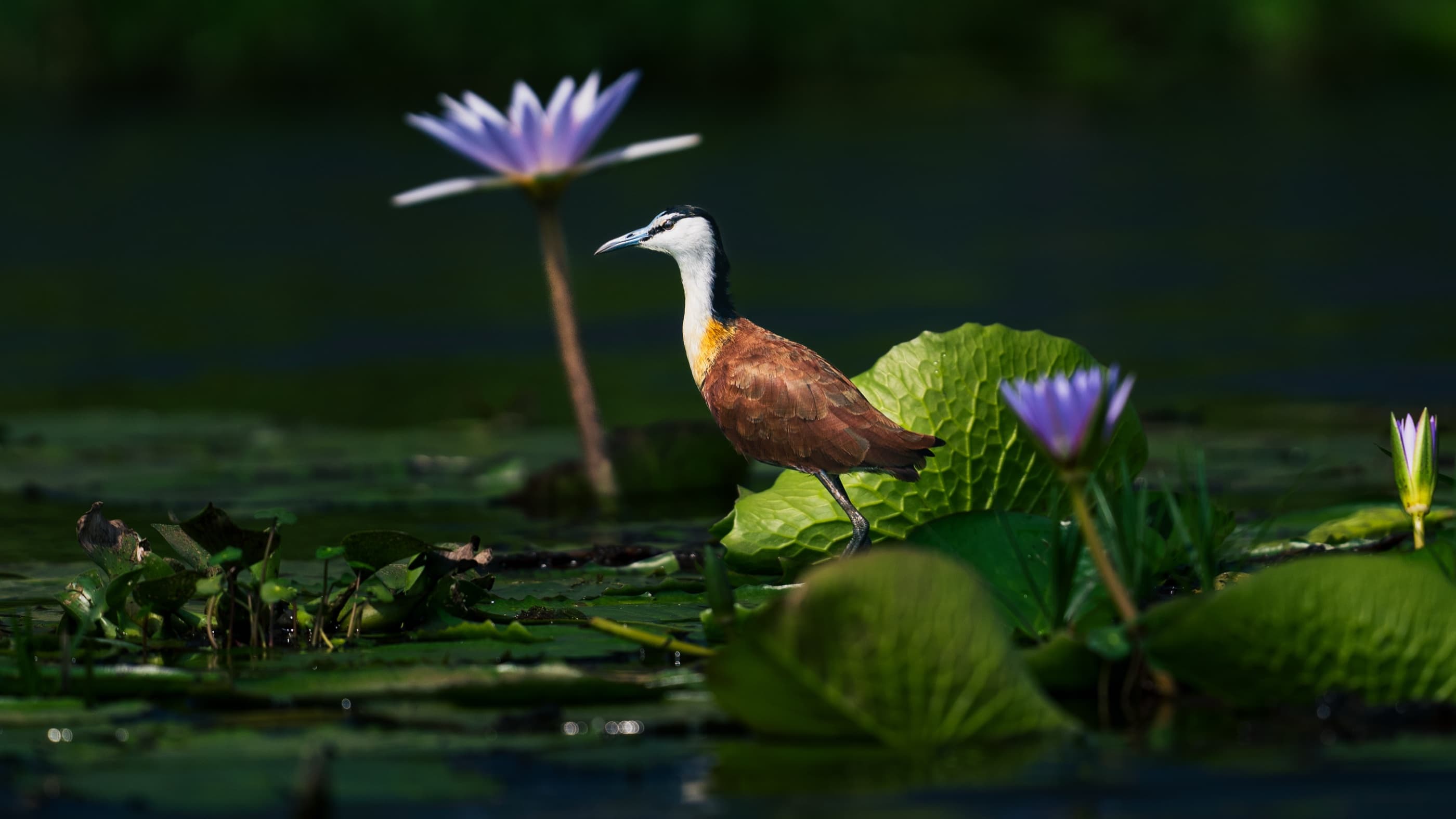
African Jacana
Actophilornis africanus
Yellow-billed Stork
Mycteria ibis
More species — 6 photographs
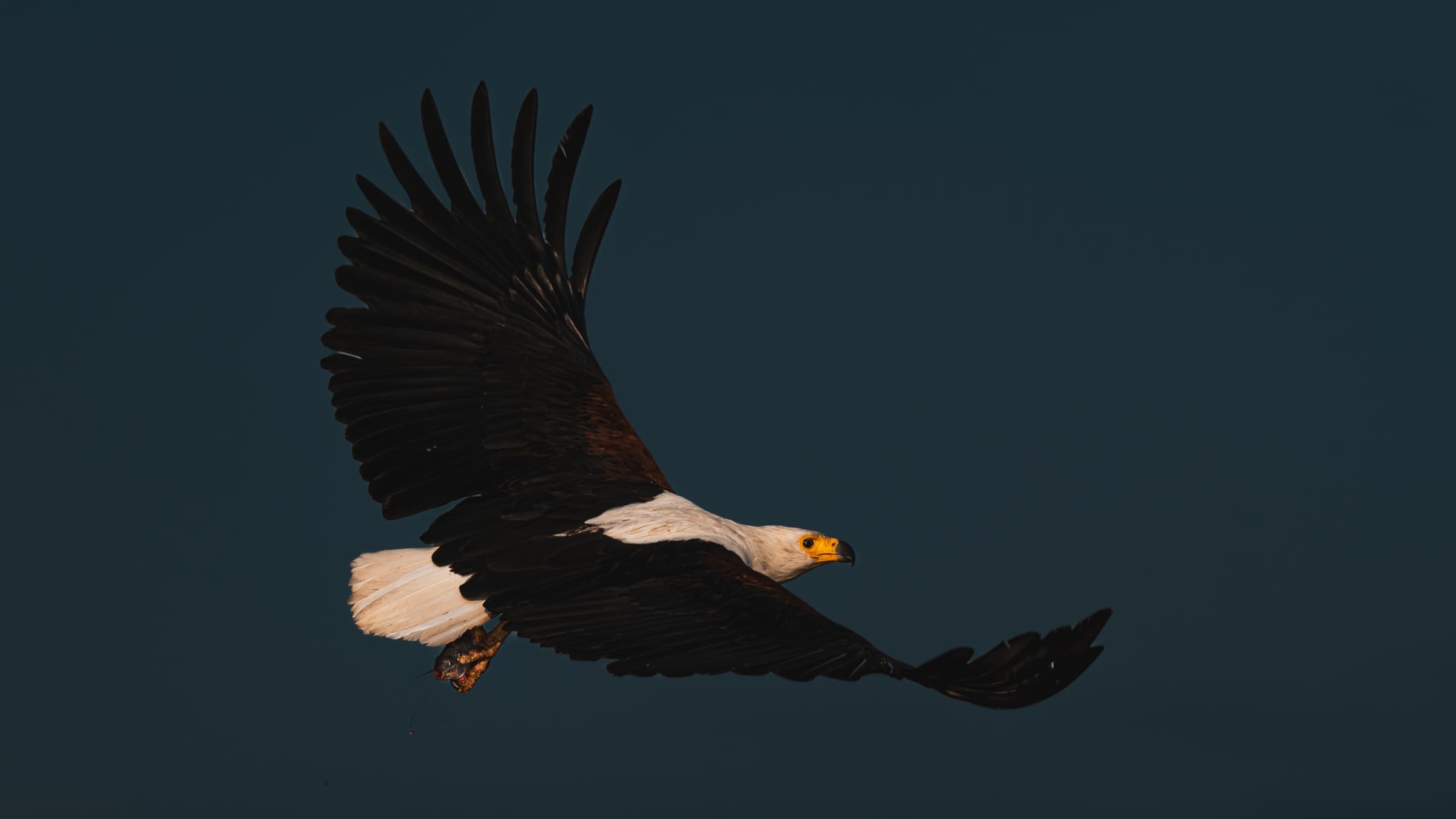
African Fish Eagle
Haliaeetus vocifer
Pied Kingfisher
Ceryle rudis
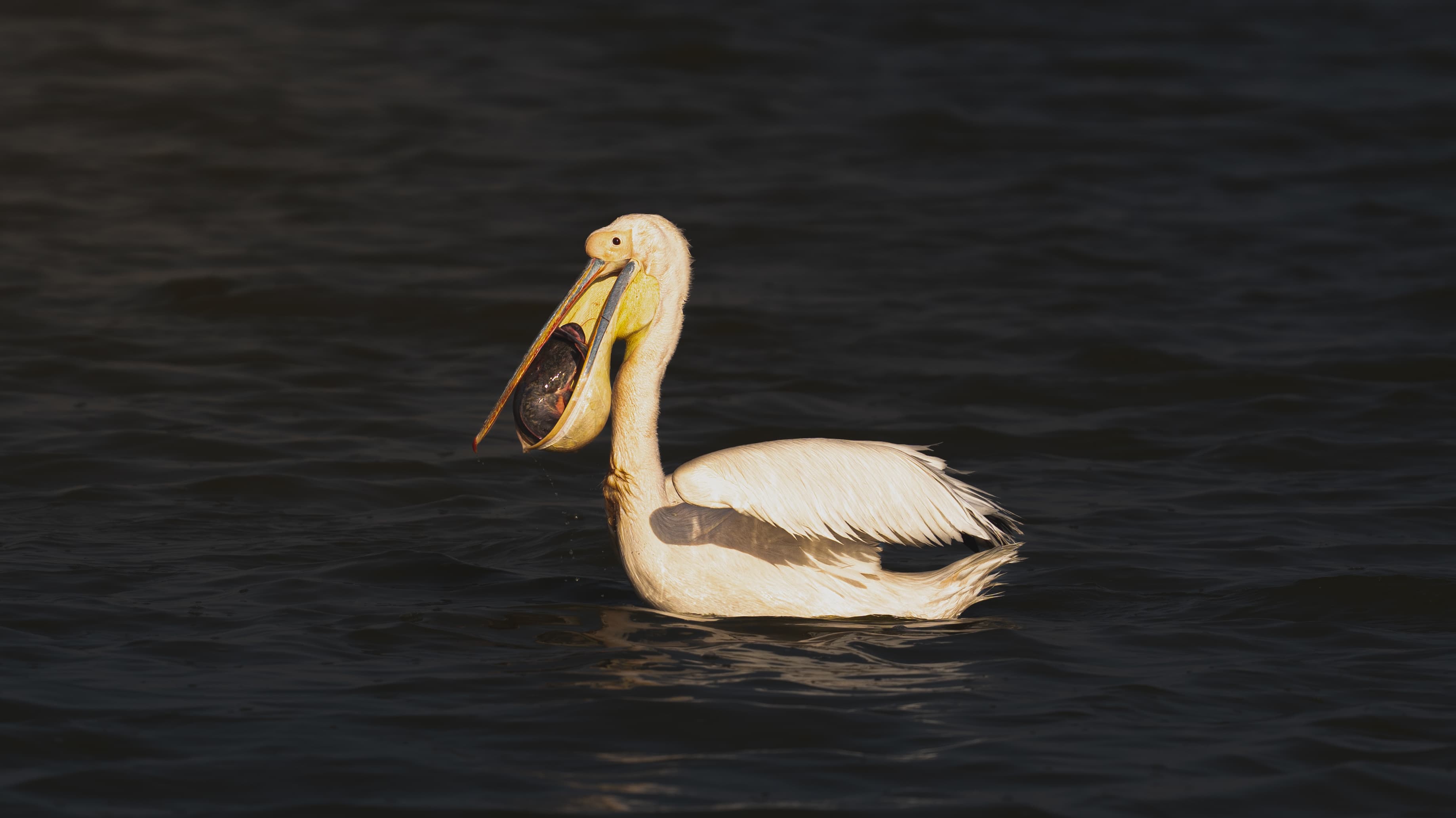
Great White Pelican
Pelecanus onocrotalus
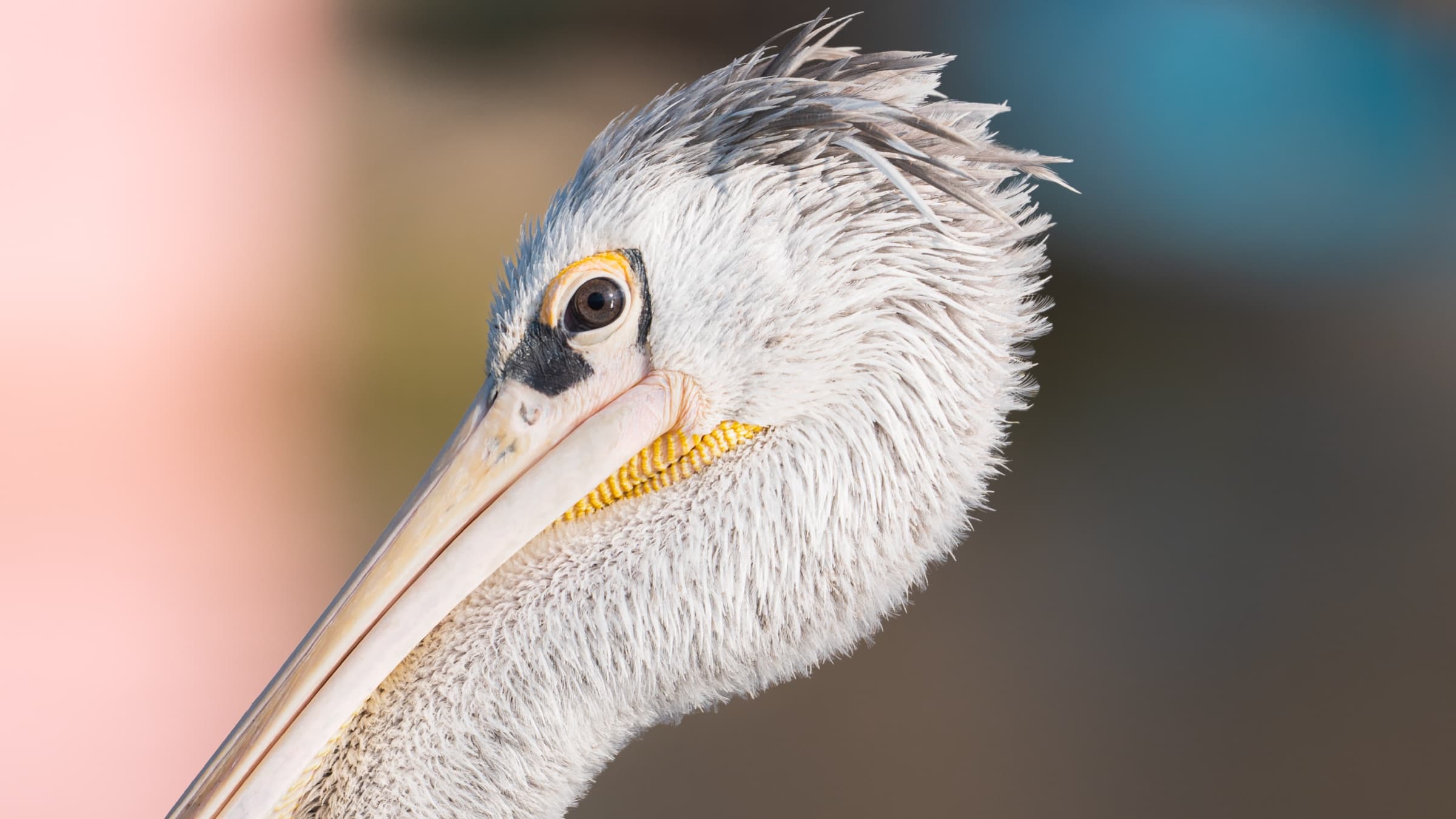
Pink-backed Pelican
Pelecanus rufescens
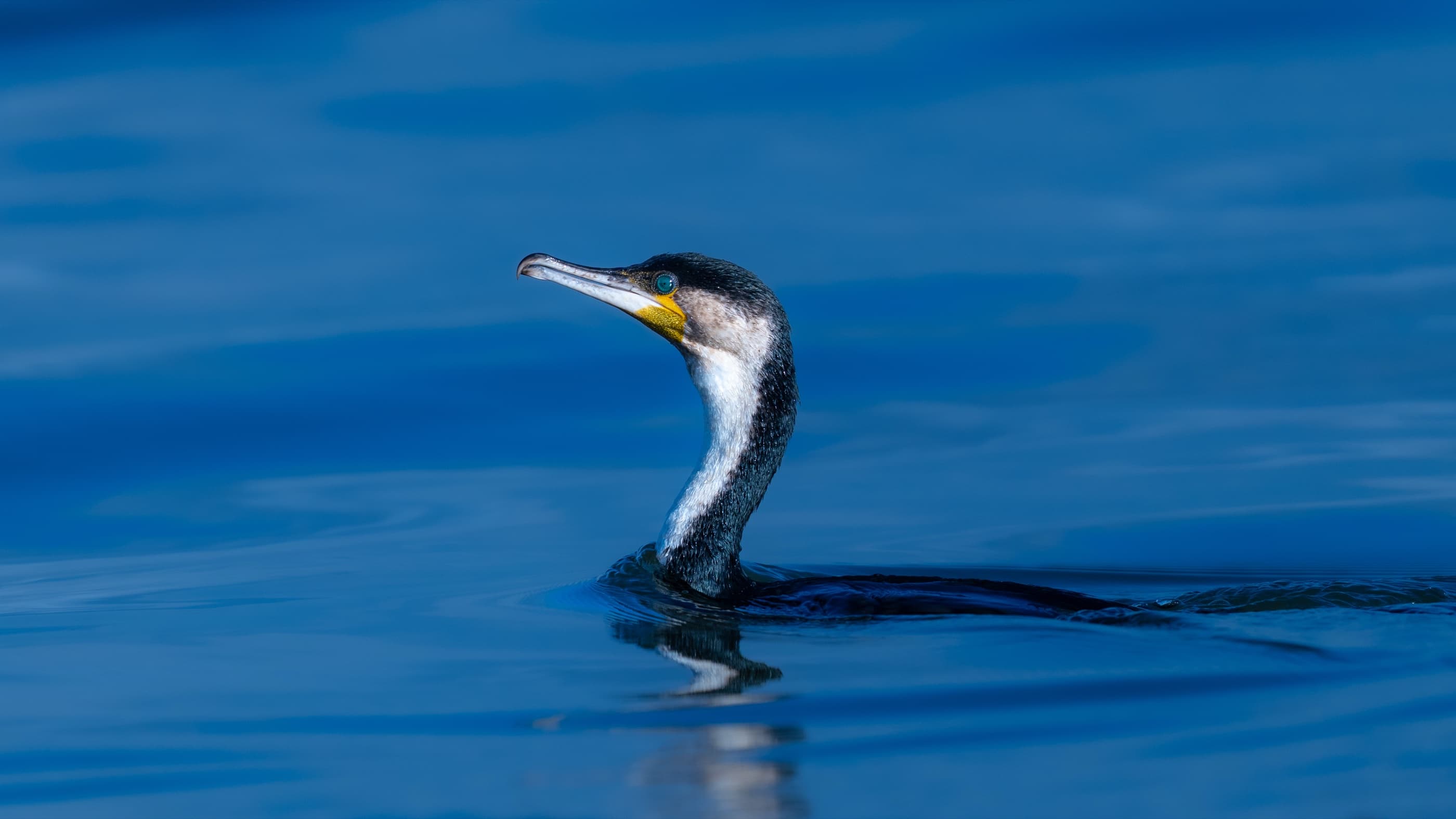
Great Cormorant
Phalacrocorax carbo
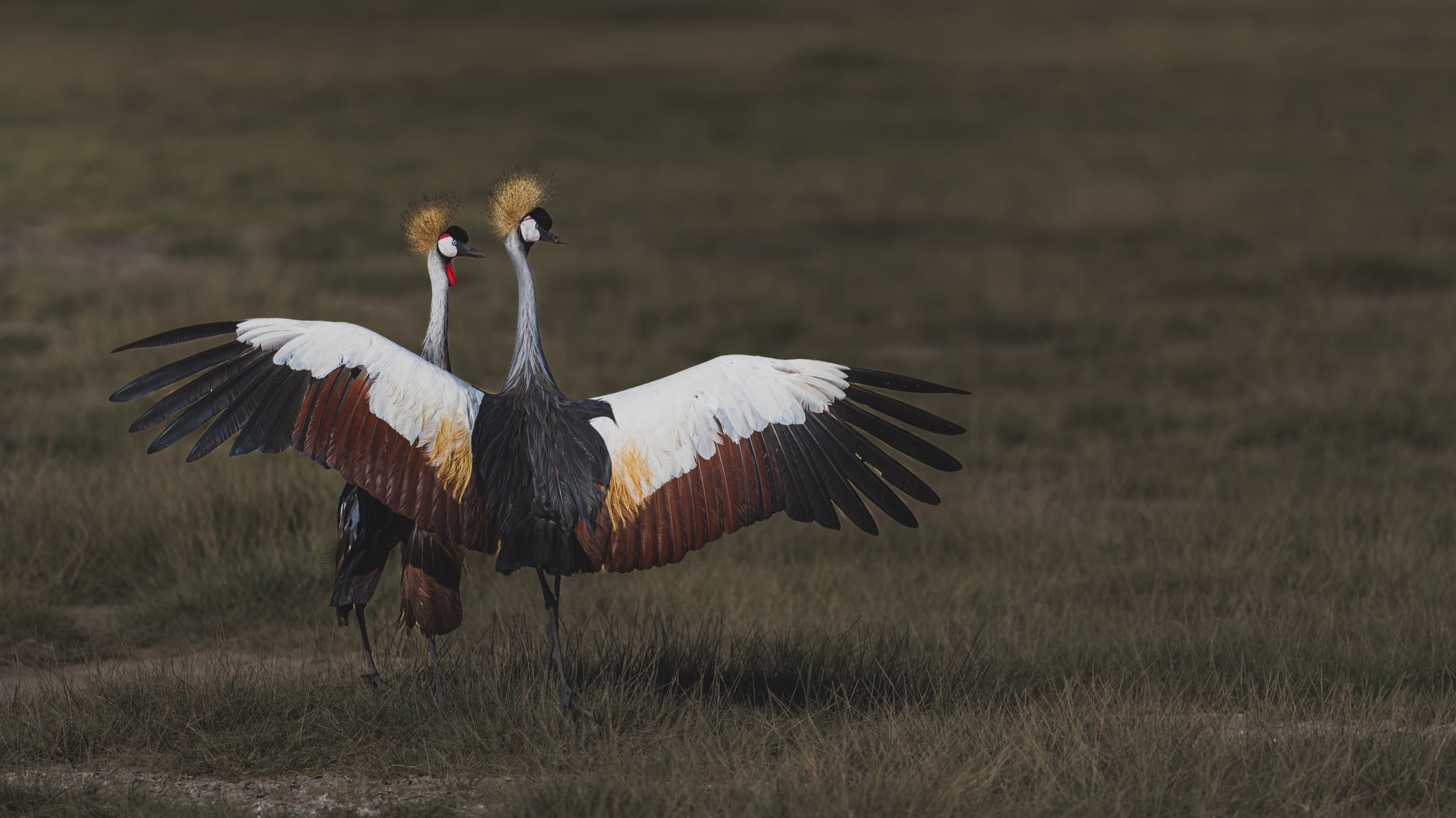
Grey Crowned Crane
Balearica regulorum
Other species we may encounter
- Black CrakeZapornia flavirostra
- Grey-headed KingfisherHalcyon leucocephala
Day 9 — 9 March 2027
Day 9 · Lentorre Lodge
The dryland arrives.
Lentorre Lodge · Lake Magadi Region
The road south of the Rift Valley descends into a different Kenya. The landscape dries. The acacia thickens. The birds change completely.
Vulturine guineafowl. Northern carmine bee-eater. Von der Decken's hornbill. Golden-breasted starling. These are dry-country specialists — none of them on this route until today.
Habitat — Lake Magadi Region
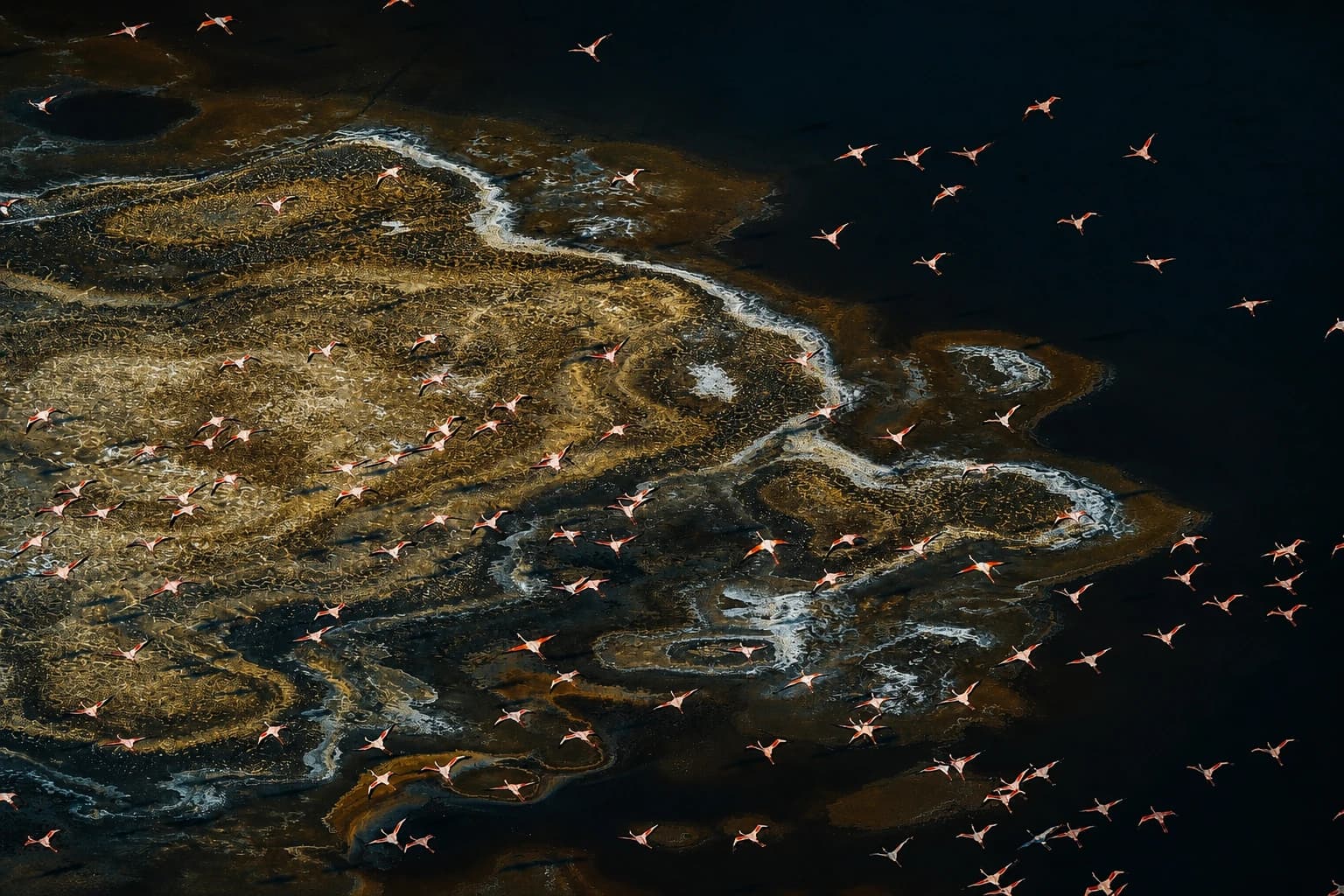
Birds we look for — Day 9
Hero bird
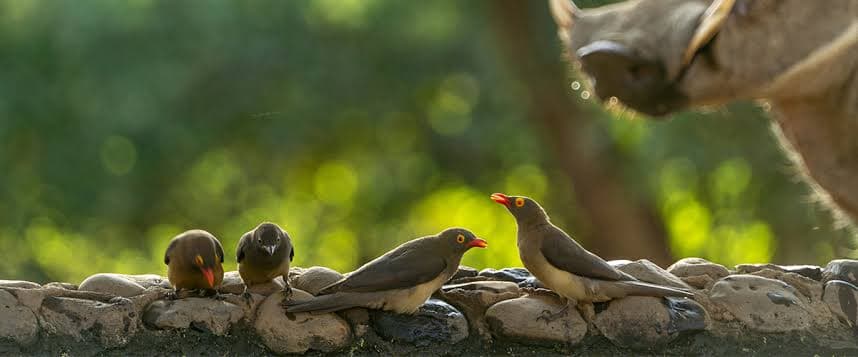
Red-billed Oxpecker
Buphagus erythrorhynchus
The waterhole draws buffalo throughout the day — and the oxpeckers follow. Their tick-removal relationship plays out at close range from the hide.
More species — 5 photographs
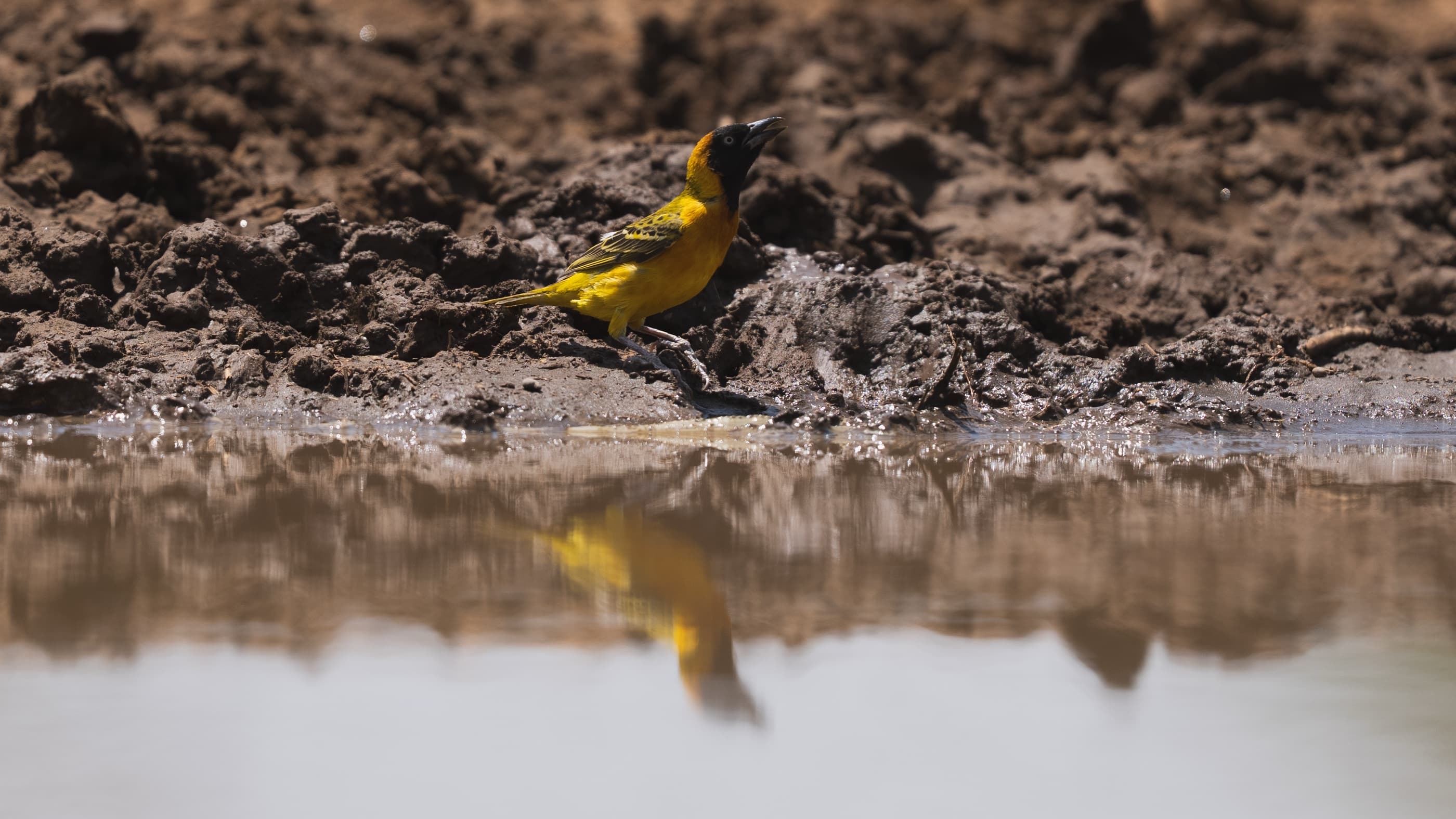
Speke's Weaver
Ploceus spekei
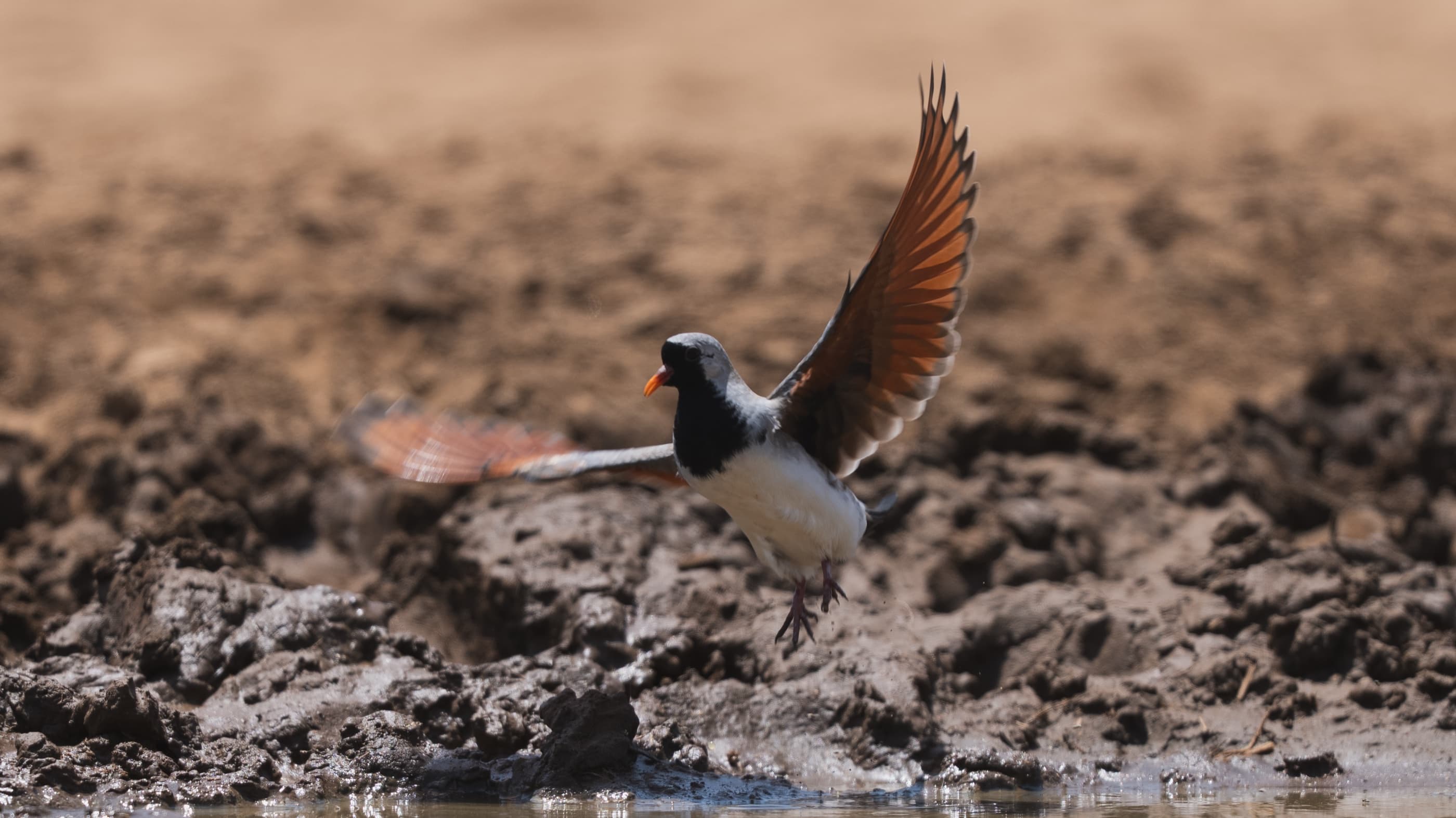
Namaqua Dove
Oena capensis
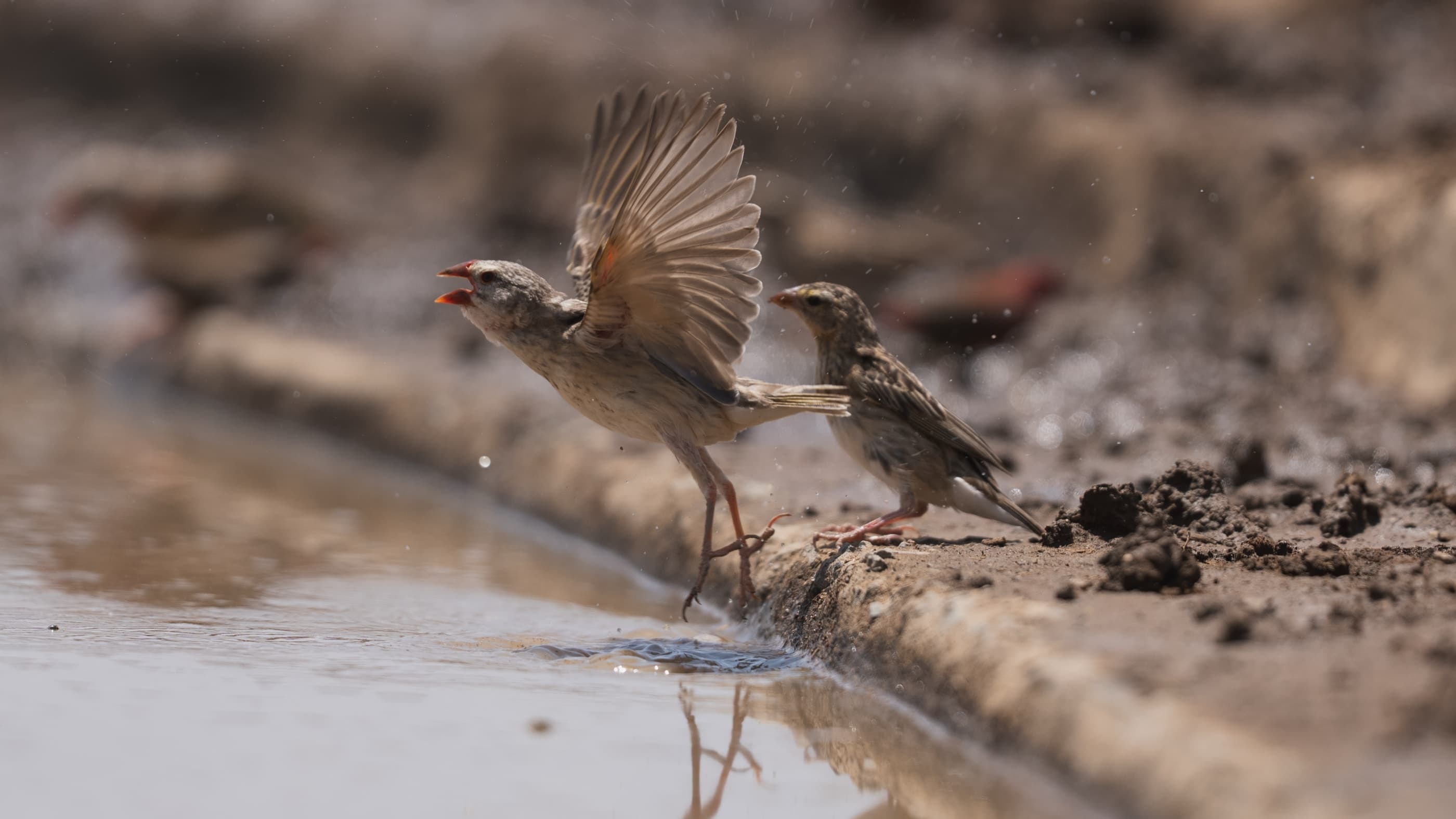
Red-billed Quelea
Quelea quelea
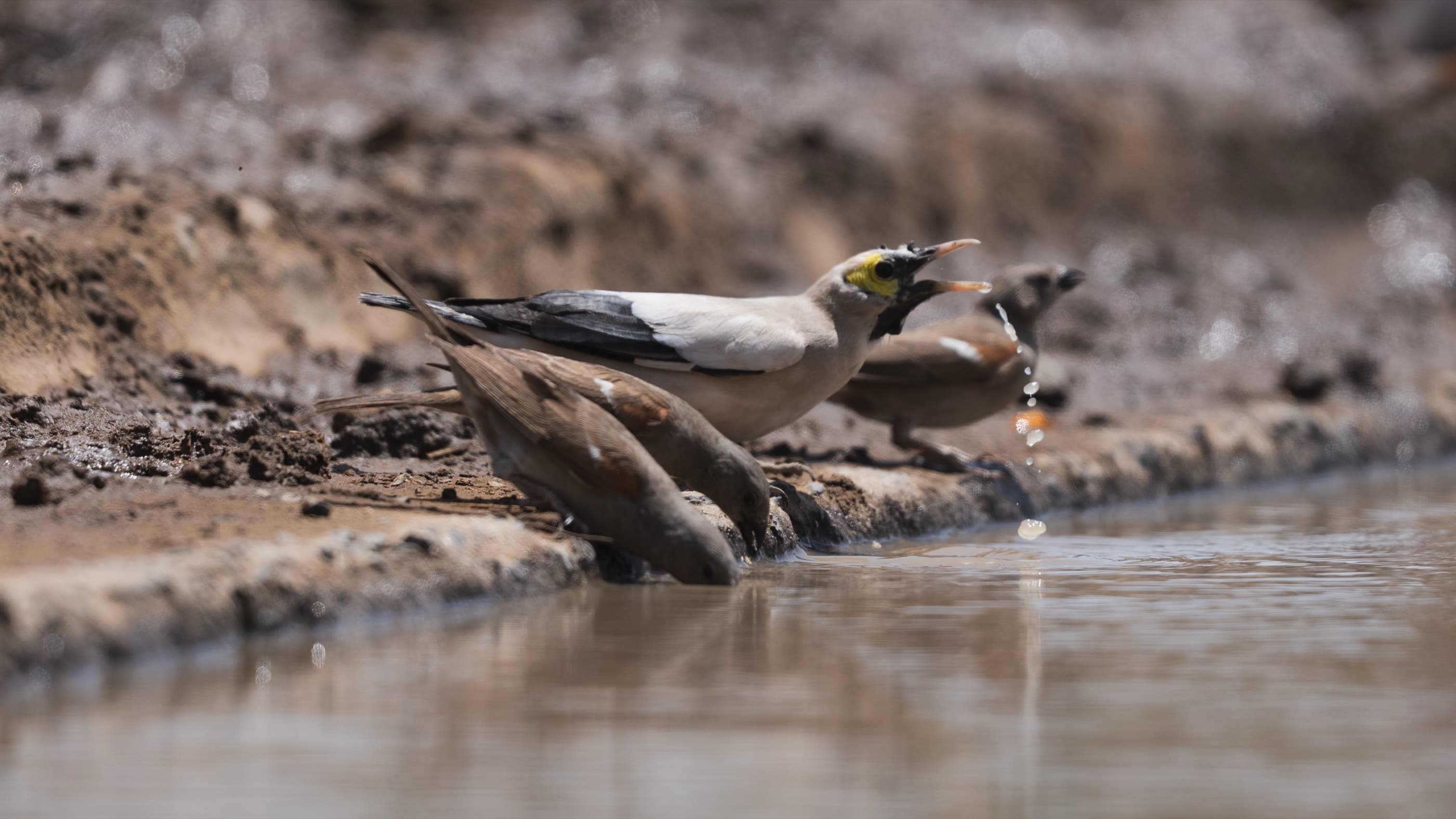
Wattled Starling
Creatophora cinerea
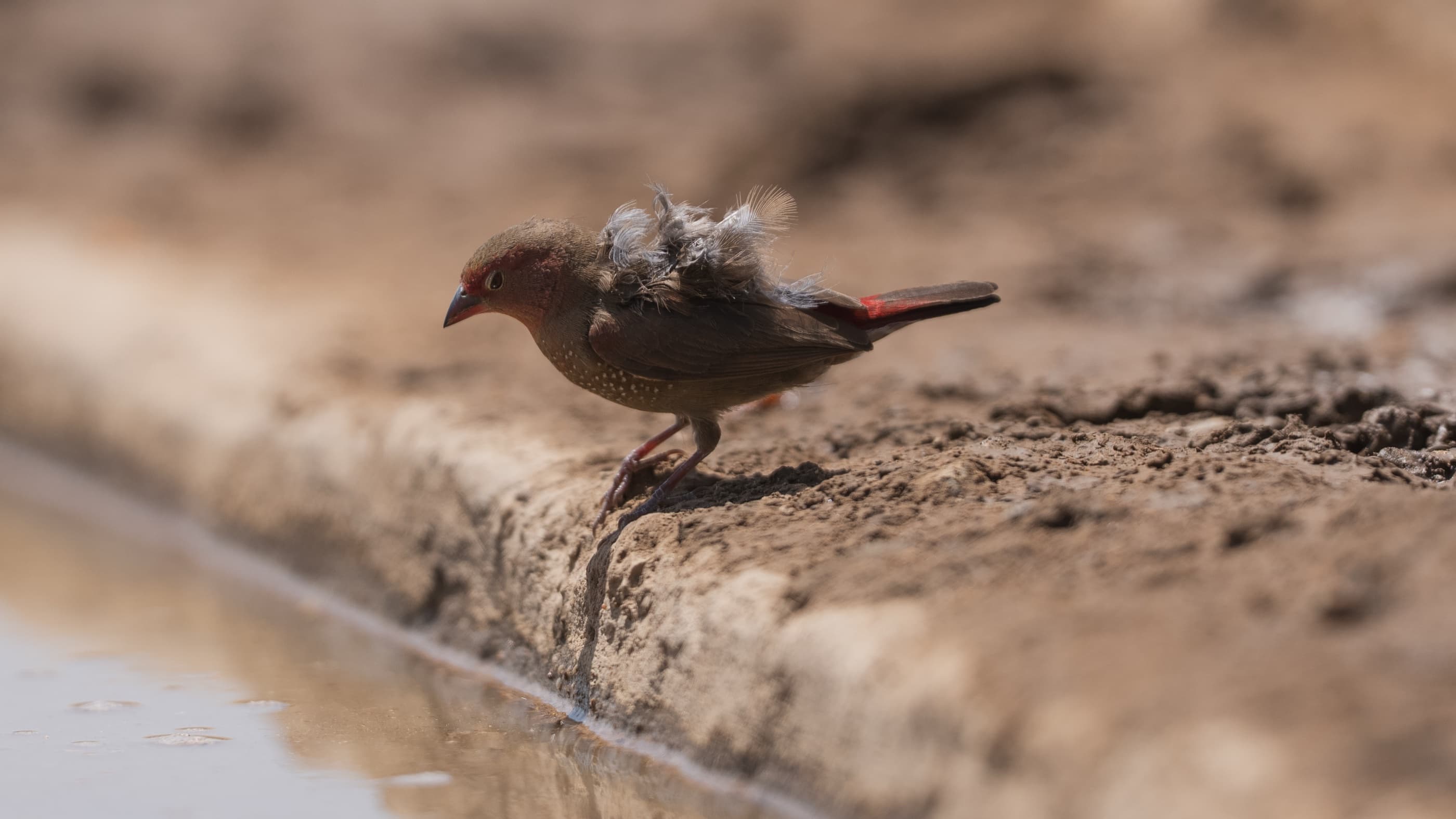
Red-billed Firefinch
Lagonosticta senegala
After dark
The hide opens at sunset.
After dark in the Magadi landscape, the animals change. What comes to the floodlit waterhole determines the night.
Leopard at the waterhole
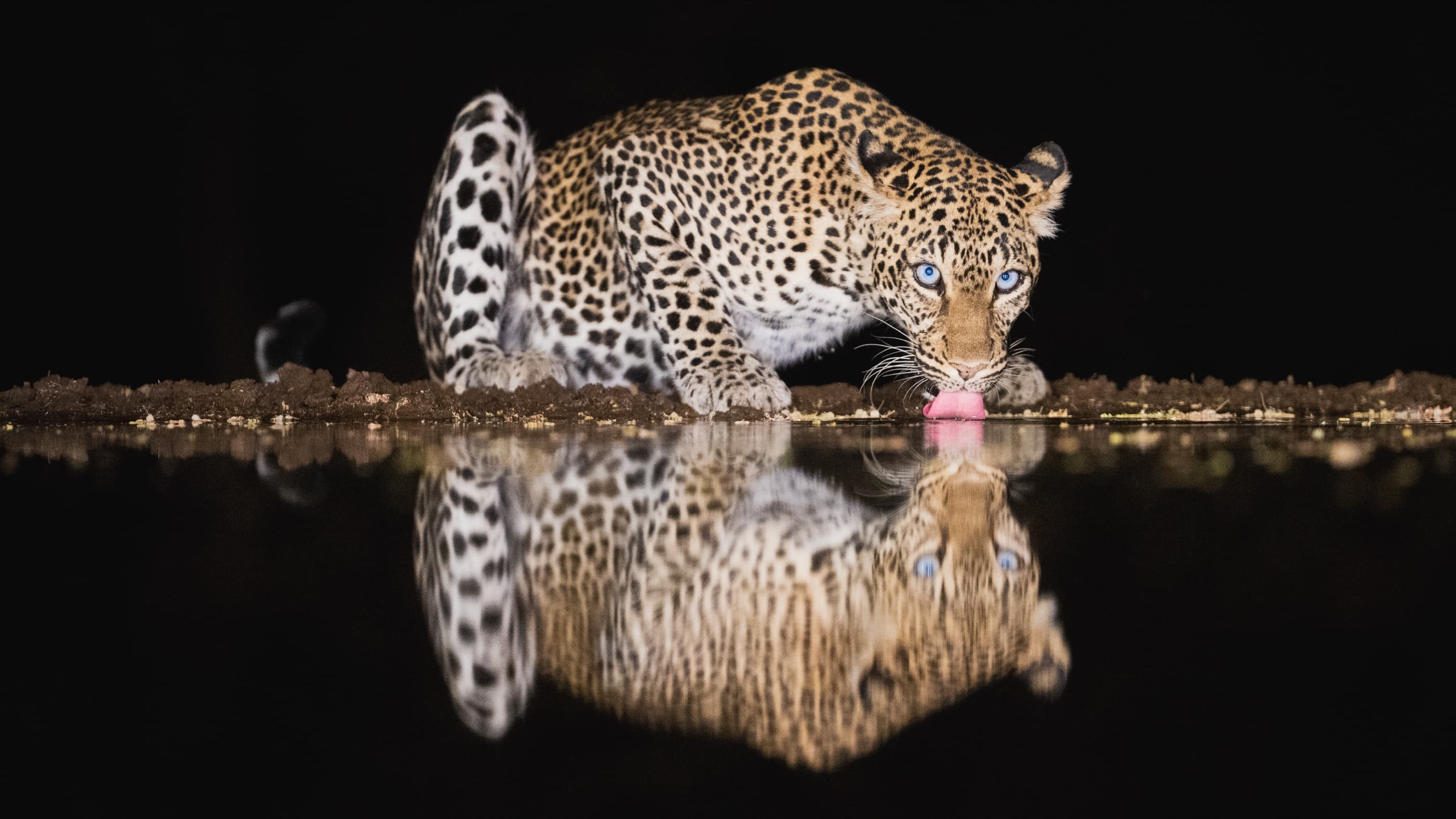
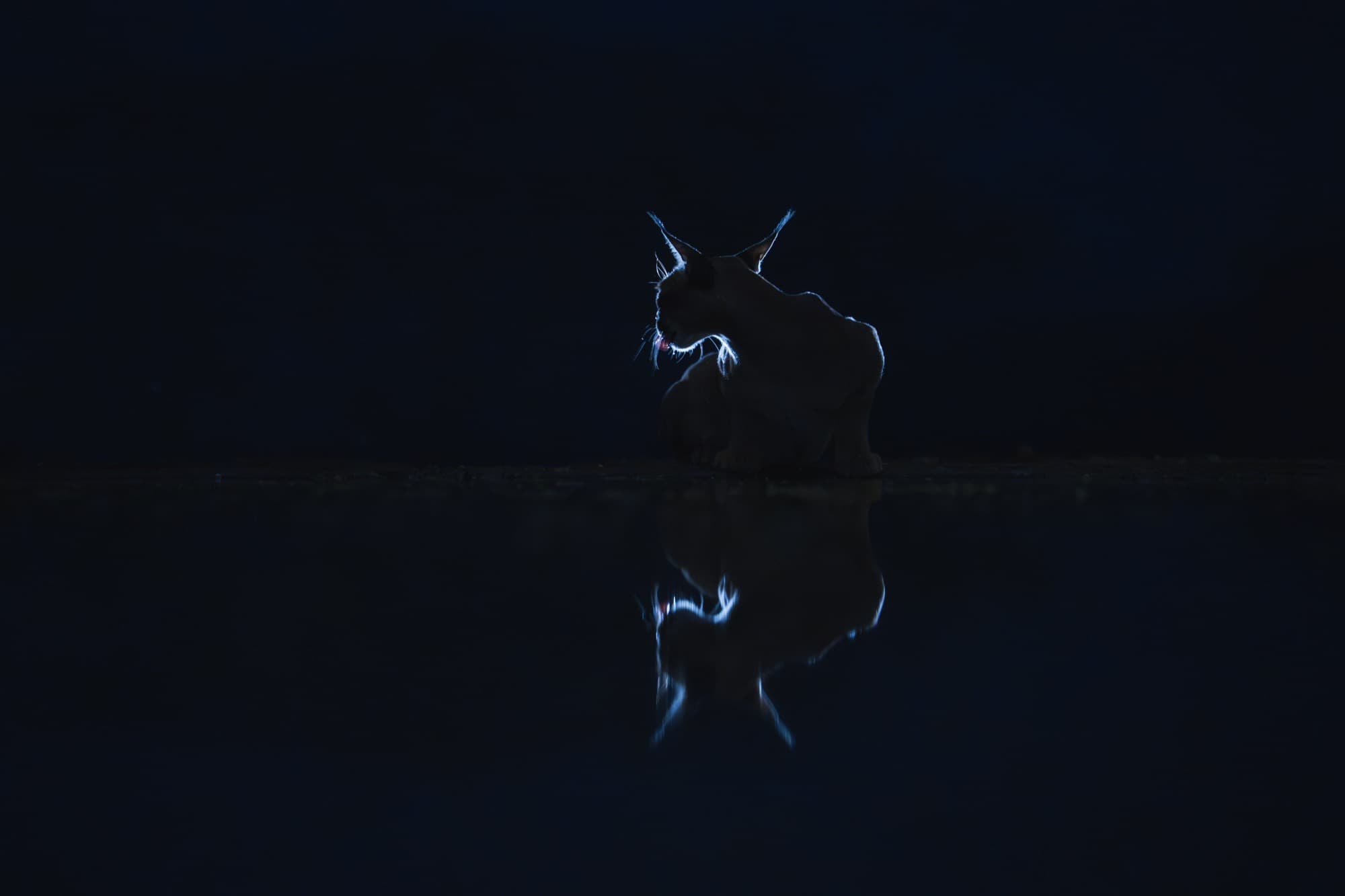
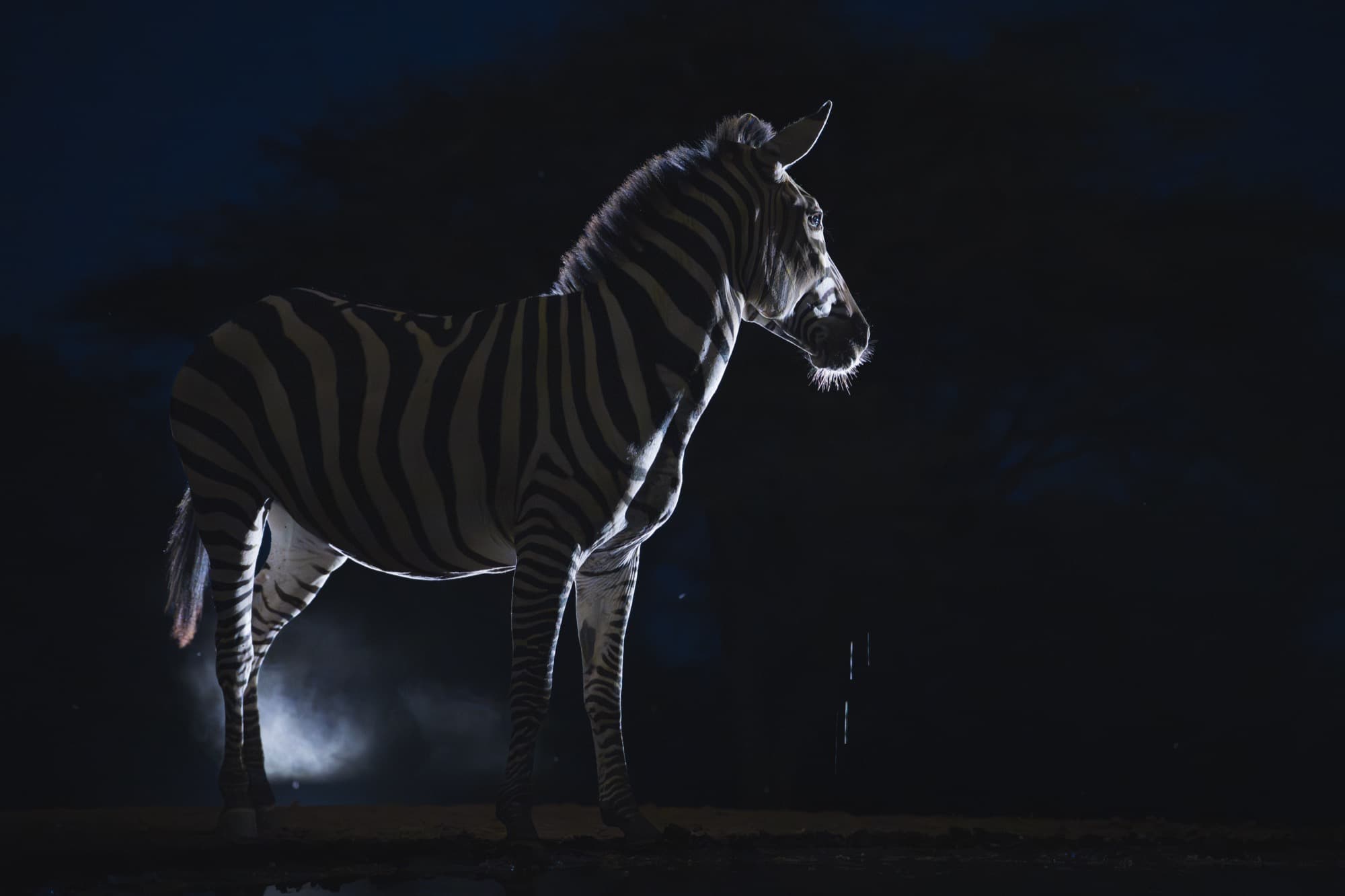
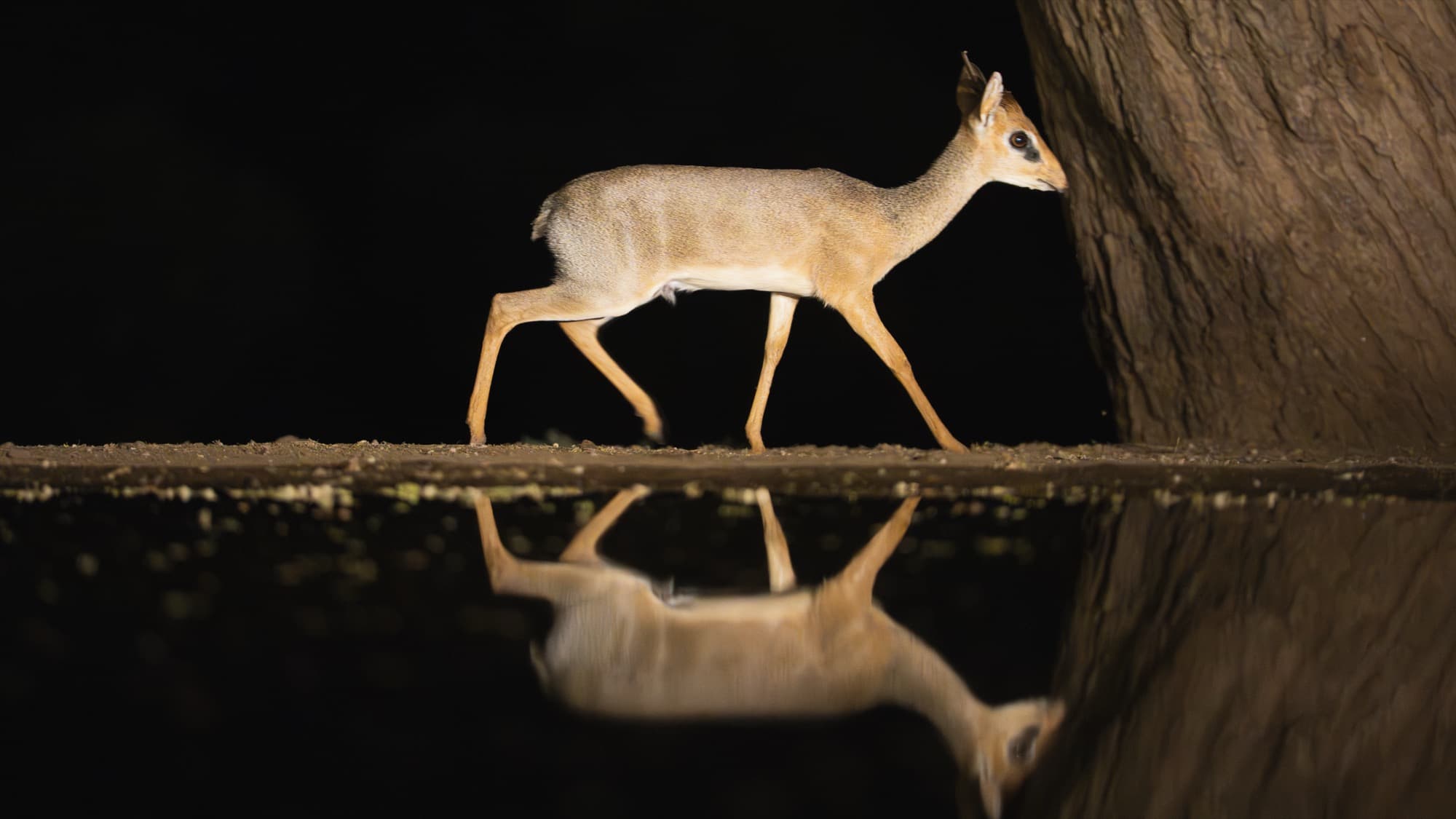
01:25 — Leopard
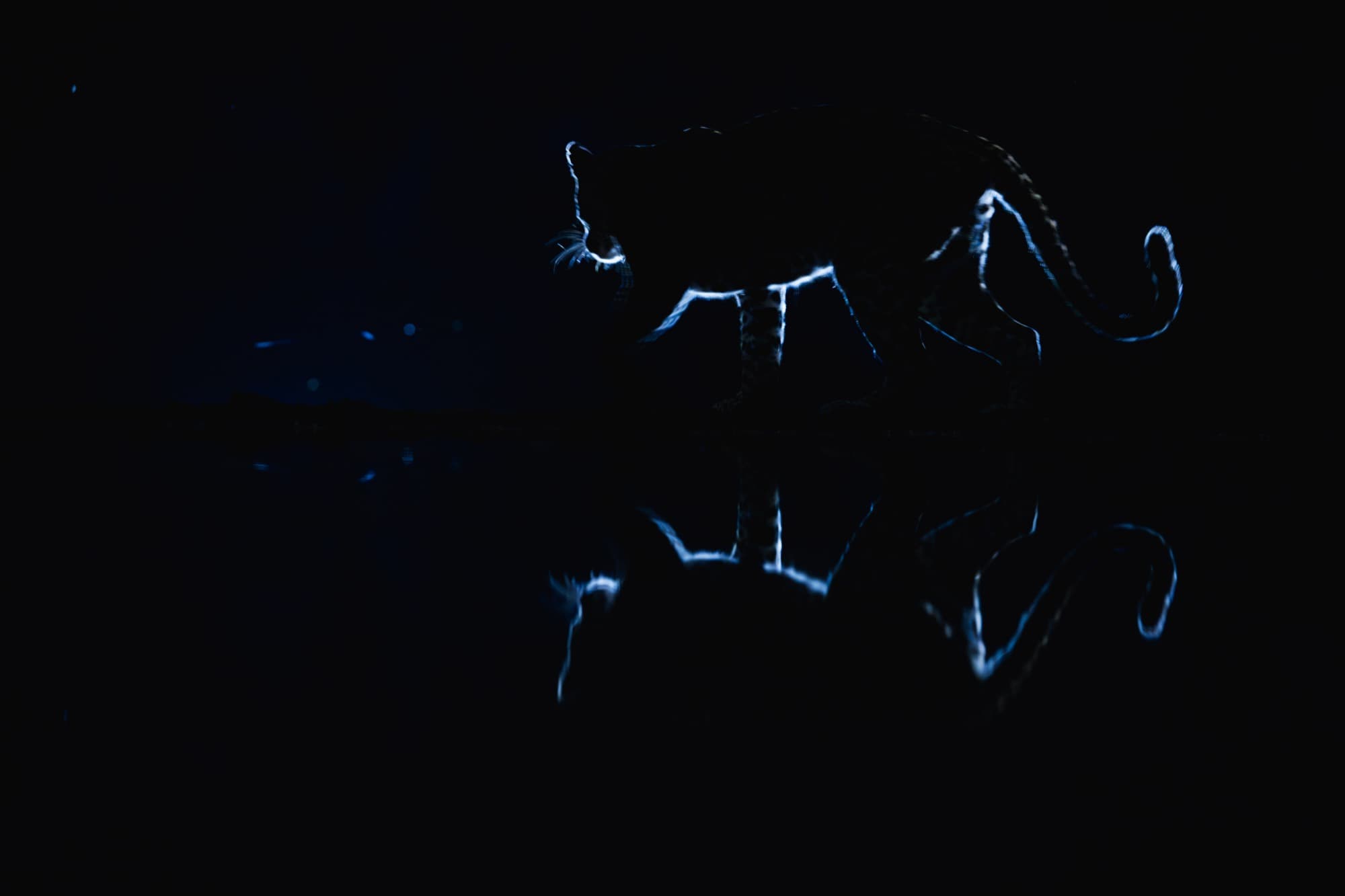
Leopards visit the Lentorre waterhole irregularly after dark. The floodlit hide creates conditions for photography that open-country work cannot replicate.
A sighting is not guaranteed. The night rewards patience.
Day 10 — Departure
Morning birding. Then the road north.
A final morning session at Lentorre before the drive back to Nairobi. International departures the same evening.
Accommodation
Seven properties. Each chosen for what it reaches.
Accommodation is chosen for field access and proximity to the habitat. Castle Forest Lodge puts you inside the Mount Kenya forest. Rando Retreat Lodge puts you inside Kakamega. Elsamere puts you on the Naivasha shore. Lentorre operates the hide.
Accommodation is confirmed per departure. Safari Park Hotel (Nairobi), Castle Forest Lodge, Lake Nakuru Sopa Lodge, Rando Retreat Lodge, Fig Tree Lodge (Mara), Elsamere Lodge (Naivasha) and Lentorre Lodge are all drawn from the confirmed itinerary PDF K270301-10.
Safari Park Hotel
Nairobi National Park
1 night
Castle Forest Lodge
Mount Kenya
1 night
Lake Nakuru Sopa Lodge
Lake Nakuru National Park
1 night
Rando Retreat Lodge
Kakamega Forest
2 nights
Fig Tree Lodge
Masai Mara
2 nights
Elsamere Lodge
Lake Naivasha
1 night
Lentorre Lodge
Lentorre Lodge
1 night
Practical
Photography level
Designed for photographers who want to work across multiple habitat types in a single journey. Some experience with field photography is helpful; previous Africa experience is not required. The journey rewards patience and a willingness to change approach as the landscape changes.
Night hide photography
The Lentorre Lodge section includes a night in a fixed hide overlooking a floodlit waterhole. This involves staying alert in low light, often late into the night. Some familiarity with low-light camera settings is helpful, though not required.
Season
This departure runs in early March 2027 — Kenya's dry transition before the long rains. Good birding across all habitats. Kakamega Forest is productive year-round.
What we cannot guarantee
Caracal and leopard visits to the Lentorre hide are not guaranteed. Specific bird species are not guaranteed at any location. We create the conditions. Wildlife and weather decide the moment.
Wings of Kenya is a small-group photography journey. Enquire to receive dates, pricing and detailed information.
Enquire about this journey