Wild Life 07
Kogatende Boys
Brothers who stayed together.
Cheetah · Male coalition · Maasai Mara / Northern Serengeti transboundary landscape, Kenya & Tanzania
Male cheetahs can form coalitions that hold together long after they leave their mother.
The Kogatende Boys are three brothers — Osiligi, Oldanyet and Olopono, sons of a female called Siligi. Researchers know them as M144, M143 and M142. Safari guides know them by the part of the northern Serengeti where they spend much of their time.
For these three, leaving their mother did not mean leaving one another. Years after independence, they were still travelling as a group.
This page is a record of the coalition — not of any one brother.
Verified context
Two names, one group
The brothers were born in the Maasai Mara in April 2021, to Siligi. The litter was larger than three; over time, the record centred on these three surviving males.
As they matured they became strongly associated with the Kogatende area of the northern Serengeti — the crossing-point country of the Mara River — and the guiding community began calling them the Kogatende Boys. Among people who knew the family, they are also Siligi's Boys.
In 2023 they were documented back in the Mara landscape. The coalition moves across a border that the cheetahs themselves do not recognise.
Field observation · Nature Zi
Two mornings, May 2025
Nature Zi photographed the coalition on two mornings.
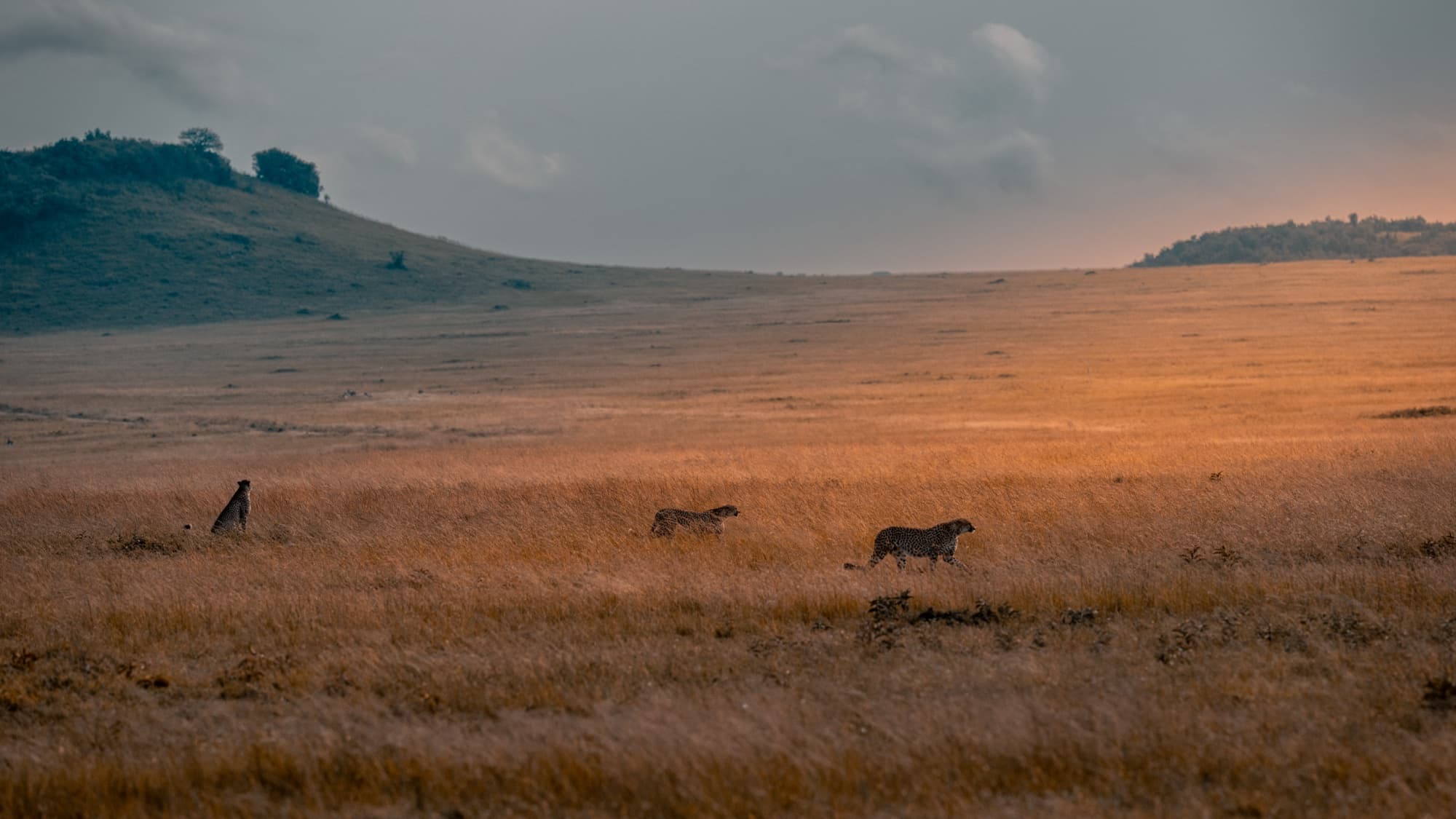
On 25 May 2025, a little after nine, at least three cheetahs were together in open country — a wide, quiet frame with a hill behind and a vehicle and antelope on the plain.
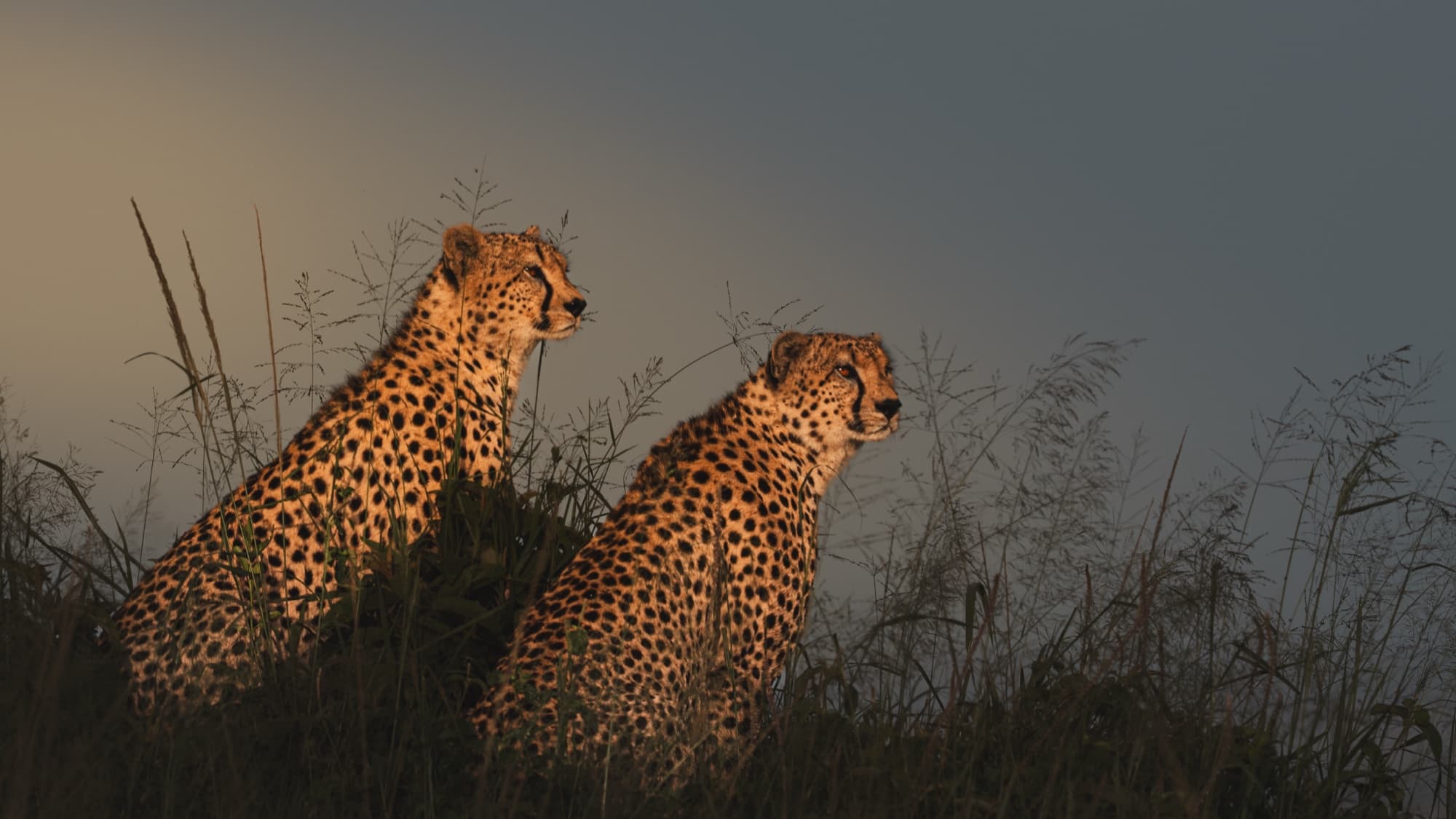
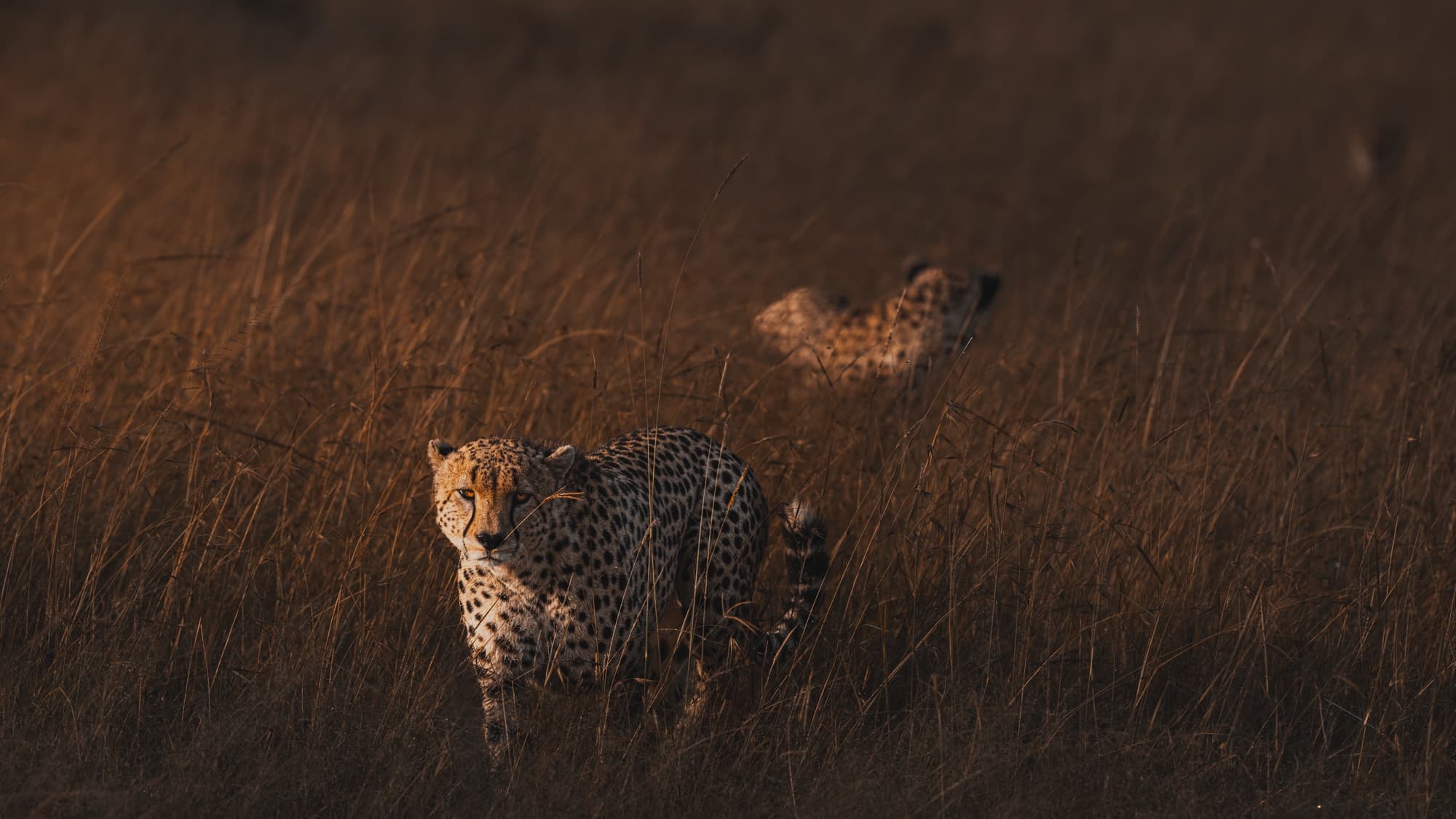
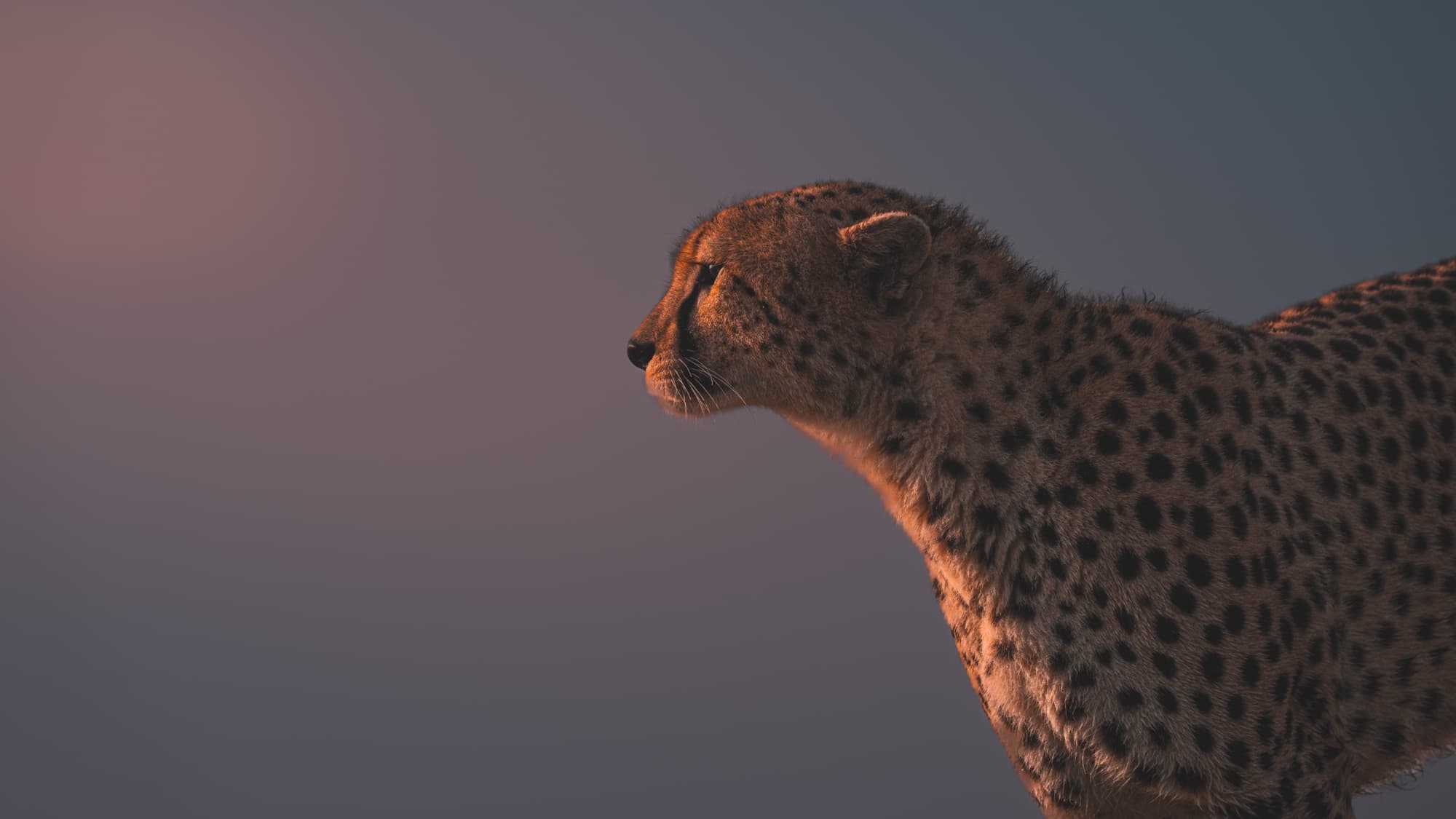
On 26 May 2025, between about 07:18 and 07:40, the cheetahs were on and around a low mound at dawn: sitting, watching the plain, then moving off through long grass. In most individual frames two of the brothers are in view; the wider group context is clear across the sequence, but no single photograph shows all three.
Interpretation
Named, but not always identified
We know the three brothers by name and by research ID.
We do not claim to know which brother is which in every photograph.
Reliable cheetah identification depends on matching spot patterns against verified reference images. The frames in this archive — often at distance, in long grass, or backlit at dawn — do not give us that, and nothing on this page assigns a specific cheetah to Osiligi, Oldanyet or Olopono.
Life record
- Name
- Kogatende Boys · Siligi's Boys
- Type
- Male cheetah coalition — three brothers
- Species
- Cheetah — Acinonyx jubatus
- Members
- Osiligi (M144) · Oldanyet (M143) · Olopono (M142)research IDs
- Mother
- Siligiresearch record
- Born
- April 2021 · Maasai Mara National Reserve, Kenyaresearch record
- Landscape
- Maasai Mara / Northern Serengeti transboundary landscape
- Status
- Living · coalition intact
- First recorded by Nature Zi
- 25 May 2025
A life is made of moments.
April 2021
Born in the Maasai Mara
The brothers were born to Siligi in the Maasai Mara. The litter was larger than three; the long-term record eventually centred on these three surviving males — Osiligi (M144), Oldanyet (M143) and Olopono (M142).
Verified context
Raised by Siligi
Their mother raised them through the Mara / Northern Serengeti landscape to independence.
Verified context
The Kogatende association
As adults the brothers became strongly associated with the Kogatende area of the northern Serengeti — the Mara River crossing country — and the guiding community began calling them the Kogatende Boys.
Verified context
2023
Documented back in the Mara
The three brothers were recorded again in the Mara landscape, moving across the transboundary country as a coalition.
Verified context
25 May 2025
Field Record 001 — Nature Zi
On the morning of 25 May 2025, about 09:04–09:06, Nature Zi photographed at least three cheetahs together in open country — a wide landscape frame with a hill and a distant antelope herd.
Field observation · Nature Zi
26 May 2025
Field Record 002 — Nature Zi
On the morning of 26 May 2025, between about 07:18 and 07:40, Nature Zi photographed the coalition on and around a low mound at dawn — sitting and watching the plain, then moving off through long grass. Two brothers are in view in most frames; no single photograph shows all three.
Field observation · Nature Zi
Still three.
Still together.
What the photographs cannot explain alone.
Field notes on the two mornings with the coalition — watching brothers hold a group, and the honest limits of identifying each one — will be published here as they are written.
A record kept by others
Almost everything on this page beyond the two mornings comes from the people who follow this landscape full-time.
The Mara and Serengeti cheetah monitoring projects hold the coalition's identities, their mother's name, and the account of their movements across the transboundary landscape. Guides working the Kogatende crossings carry the brothers' history with them.
Nature in Wild adds two mornings to a record many people have kept for years.
Photographs
Recent updates
No verified public updates have been added yet.
Records & sources
- Mara / Serengeti cheetah monitoring — Coalition M142 / M143 / M144 (Kogatende Boys) — identity, family and range records. credibleThe three research IDs, the April 2021 birth to Siligi, the Kogatende / Northern Serengeti association and the 2023 Mara record are held by the Mara and Serengeti cheetah monitoring projects and were relayed to Nature Zi. A single citable public source is still to be confirmed.
- Nature Zi (first-hand field observation) — The Kogatende Boys photographed on two mornings, 25–26 May 2025. verifiedFirst-hand observation by Nature Zi on 25 May 2025 (~09:04–09:06) and 26 May 2025 (~07:18–07:40). The photographs document the coalition; they do not support assigning a specific cheetah to Osiligi, Oldanyet or Olopono.
Why This Life Matters
A cheetah is usually photographed alone — the fastest solitary hunter on the plain.
A male coalition is a different picture: brothers who hold territory together, hunt larger prey together, and are more likely to survive because they did not disperse.
The Kogatende Boys have held that arrangement for years. The record is worth keeping because coalitions like this are how some male cheetahs get to grow old.
They left their mother. They did not leave one another.
A cheetah coalition can hold for years.