Wild Life 01
Tee-Jay
A life known since 1988.
African savanna elephant · Male · Amboseli ecosystem, Kenya
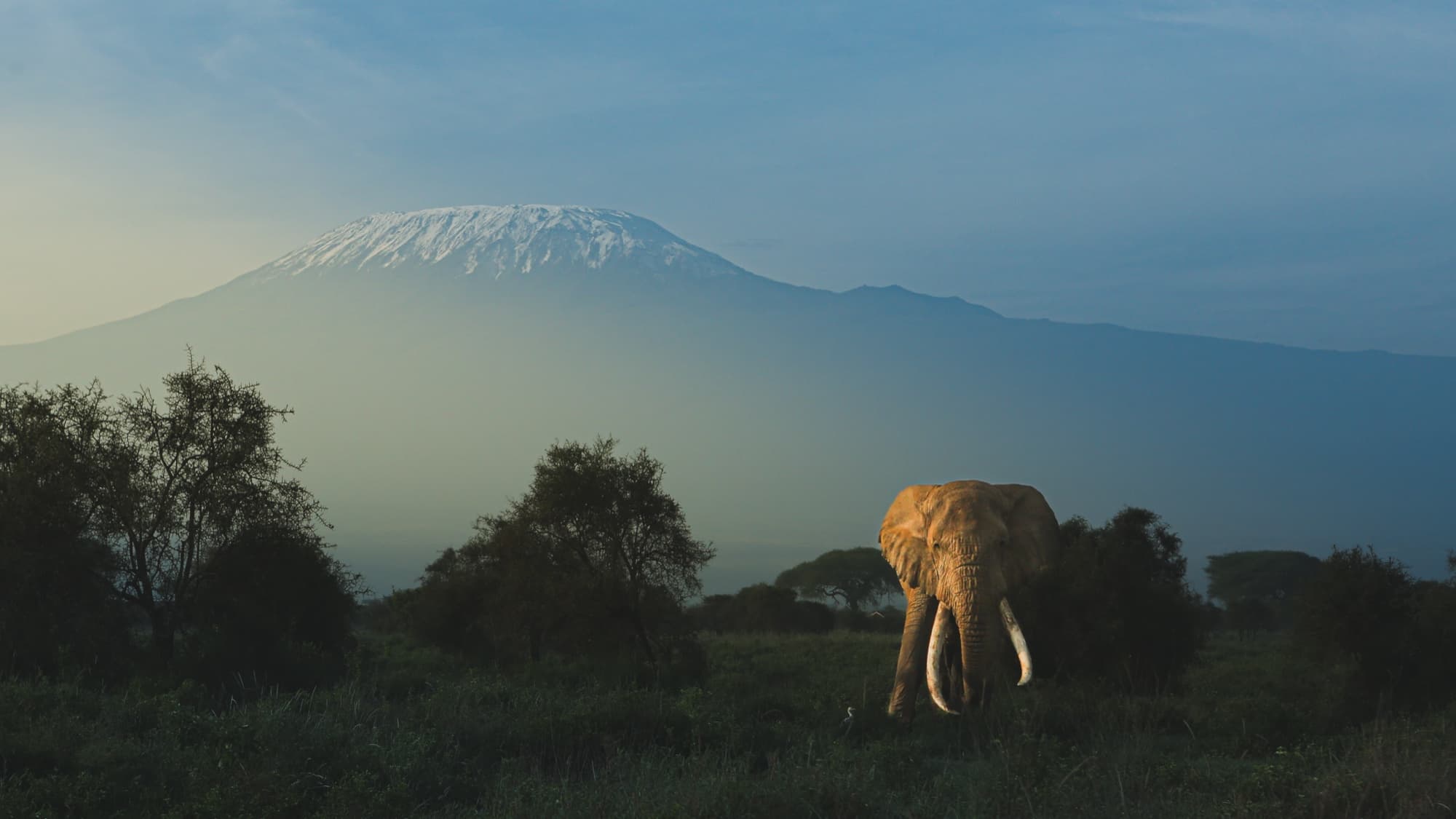
Tee-Jay is not simply an elephant I photographed. He is an individual whose life has been known for decades.
Born in 1988, Tee-Jay belongs to Amboseli's well-documented T family — a lineage that includes some of the ecosystem's most recognised elephants. Today, he is known as one of Amboseli's super tuskers.
To photograph an animal like Tee-Jay is different from photographing an anonymous elephant.
You are not only looking at what stands in front of you. You are looking at a life with a history.
Verified context
A Family Remembered
Tee-Jay belongs to a family whose members have been known individually for generations.
His mother is Tallulah. His uncle is Tim; his great-uncle, Tolstoy — two Amboseli bulls who became widely recognised for their extraordinary tusks.
Tee-Jay carries that family story forward — not as a replacement for them, but as another life in the same continuing lineage.
Field observation · Nature Zi
Field Record 001
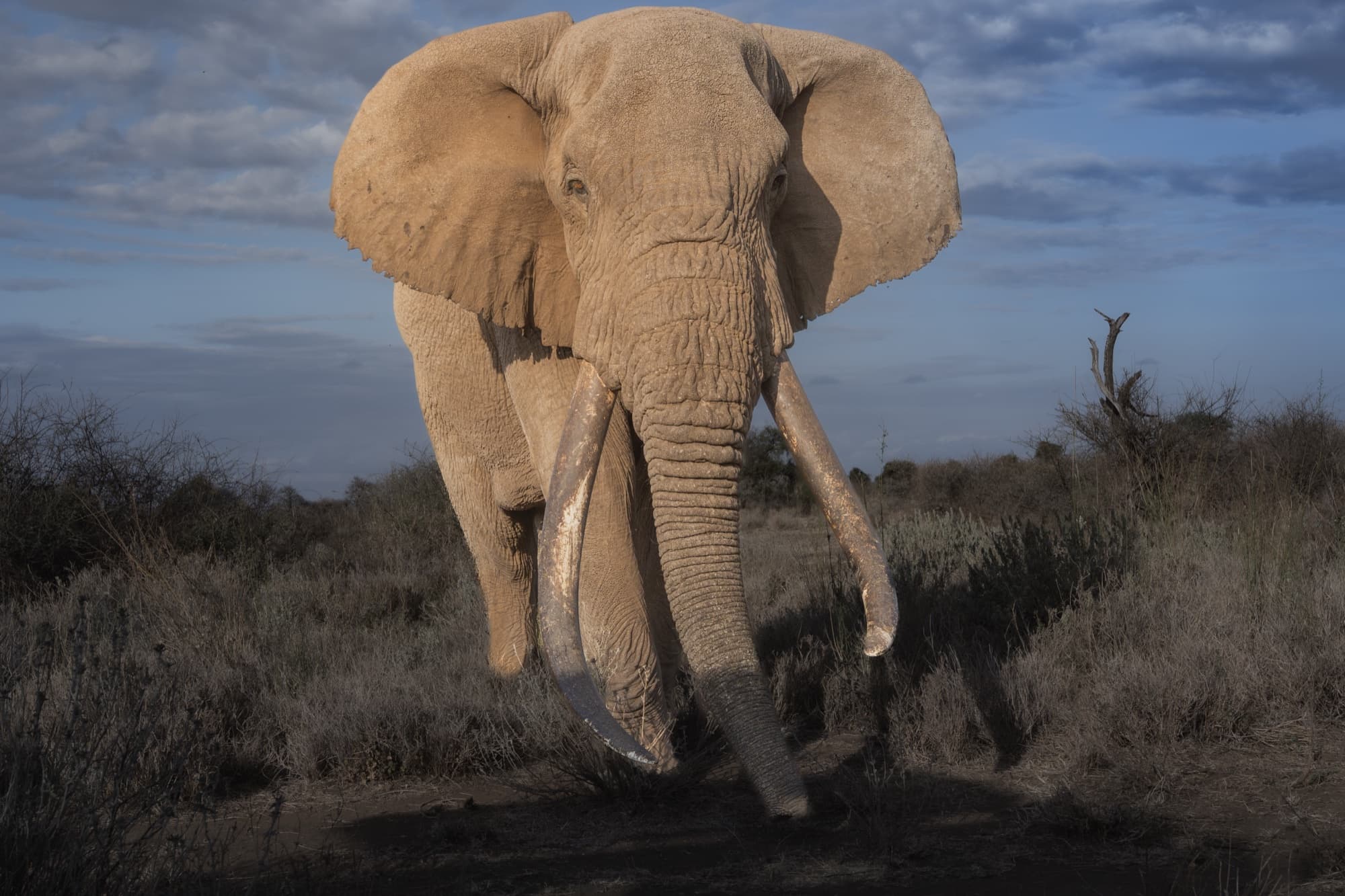
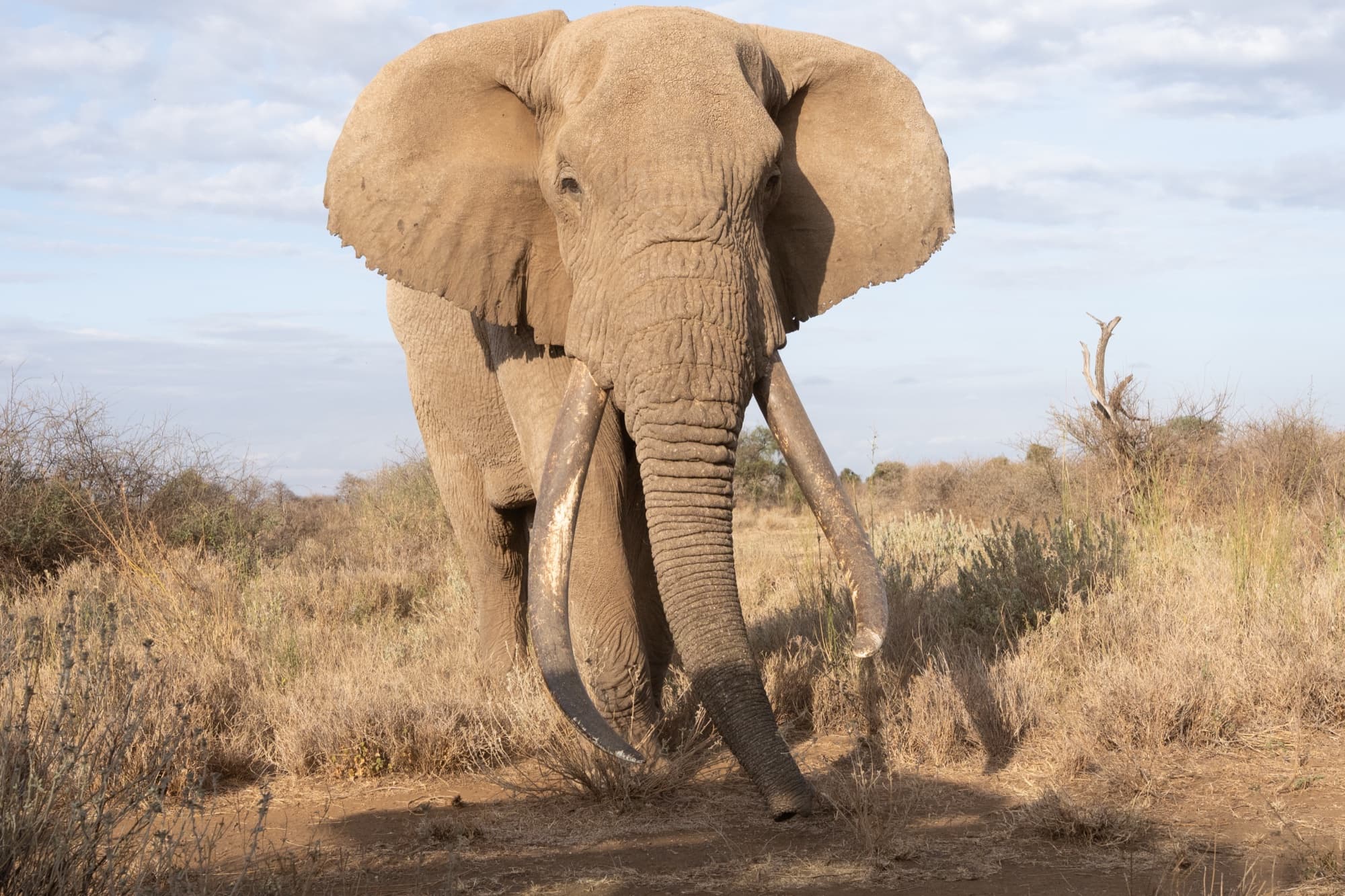
15 March 2026 · Kimana Sanctuary, Kenya · photographed by Nature Zi.
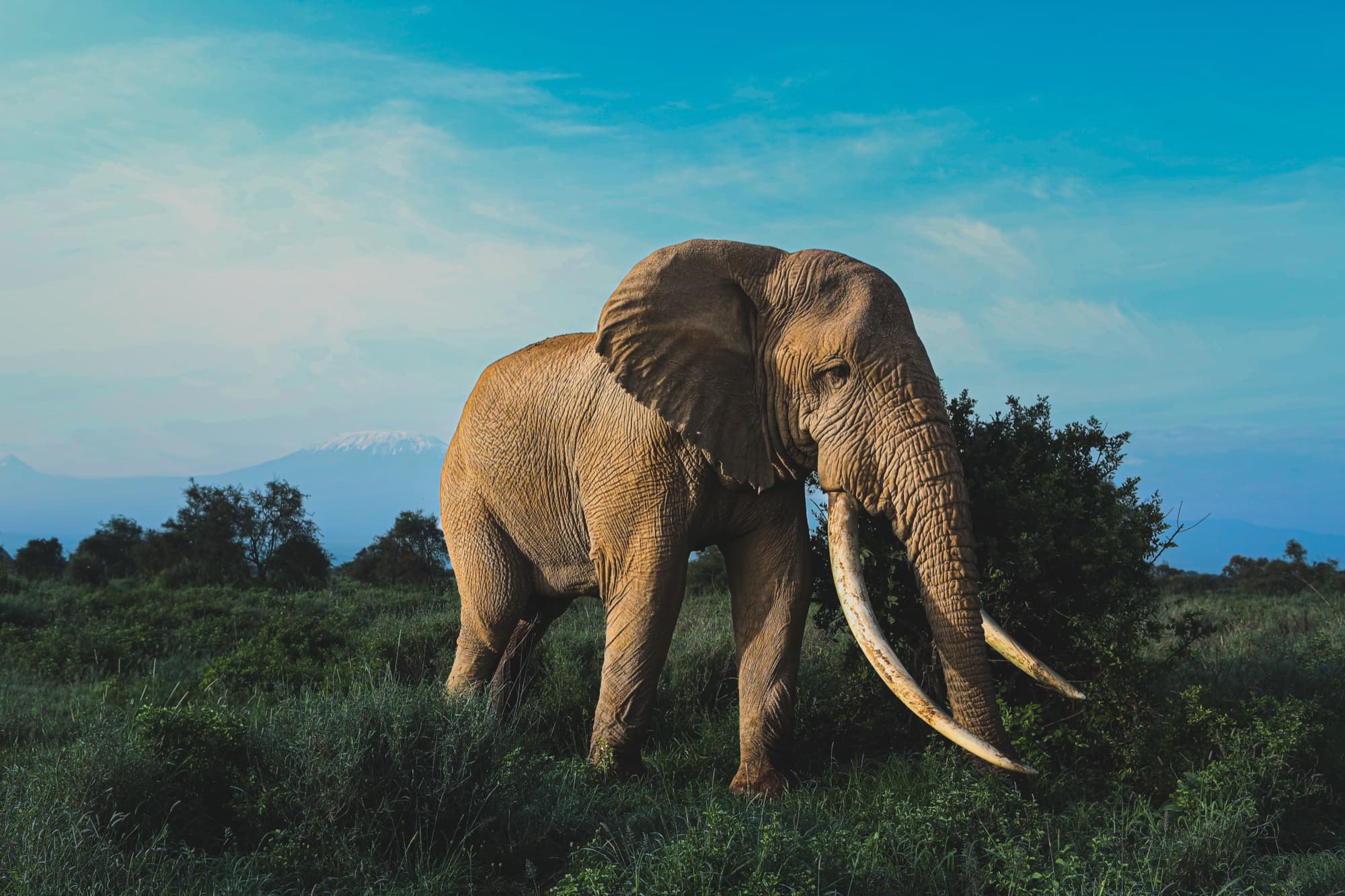
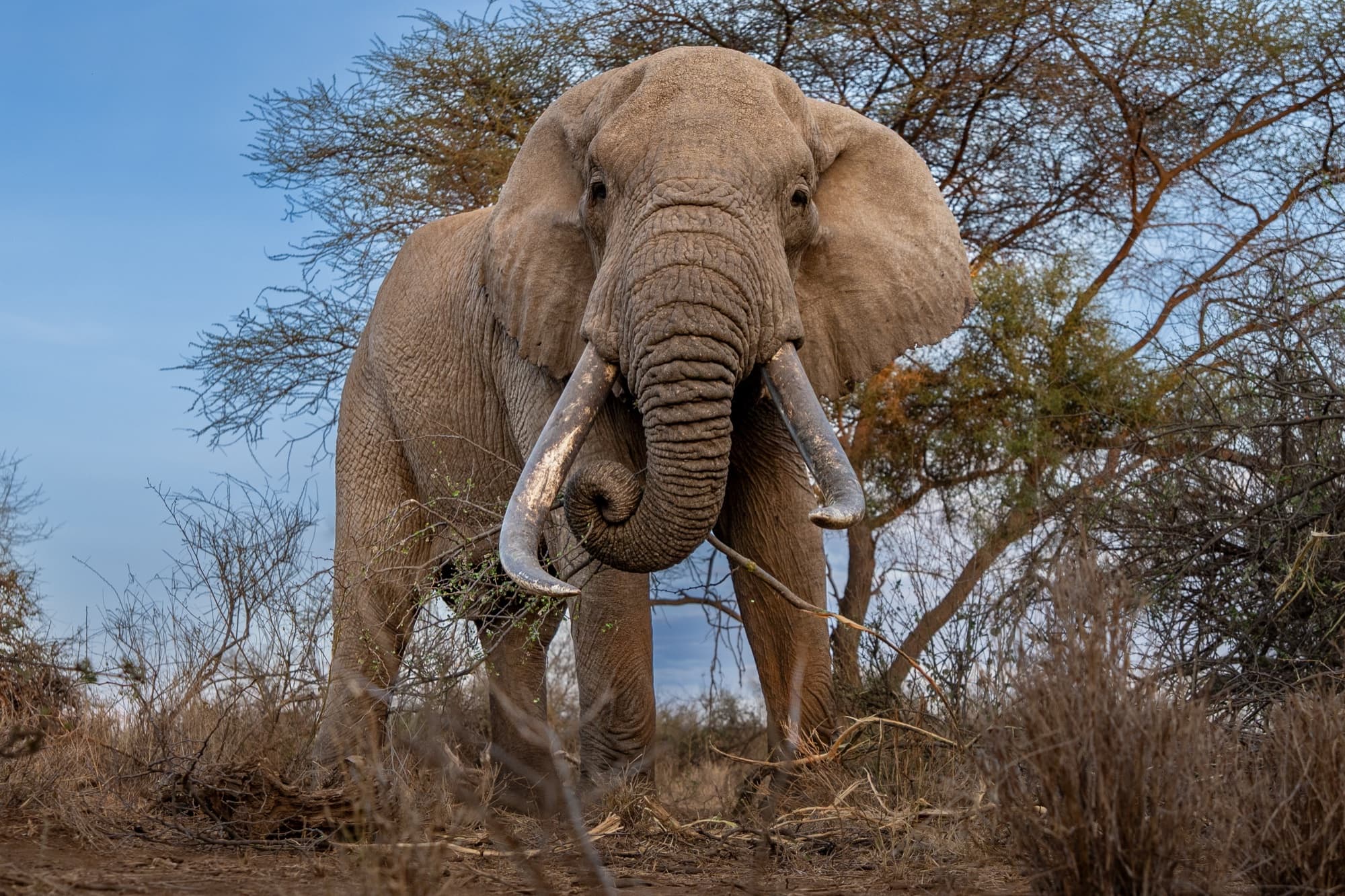
When we found Tee-Jay, he was feeding.
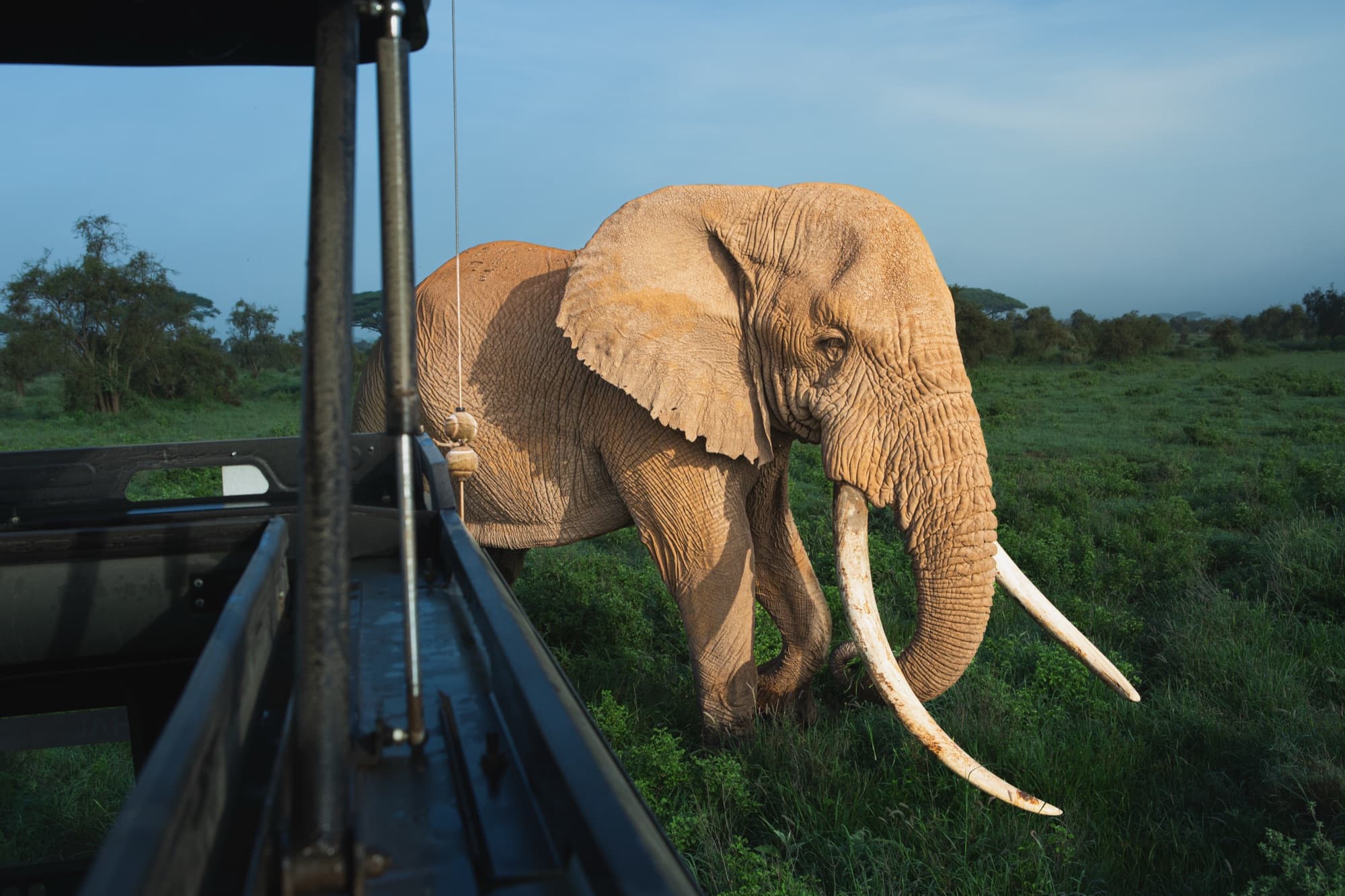
I stayed inside the vehicle and waited. There was no reason to close the distance.
After a while, Tee-Jay began walking toward us.
He kept coming.
Eventually, he passed right beside the vehicle — close enough that the experience stopped being about how long his tusks were or how large an elephant he was.
At that distance, scale becomes something you feel.
Let the Animal Decide the Distance
Wildlife photography often teaches us to move closer. The field sometimes teaches the opposite.
Stay where you are.
Watch.
Wait.
Let the animal decide what happens next.
On 15 March 2026, the closest photographs I made of Tee-Jay were not the result of approaching him.
They happened because I didn't.
Field observation · Nature Zi
Field Record 002
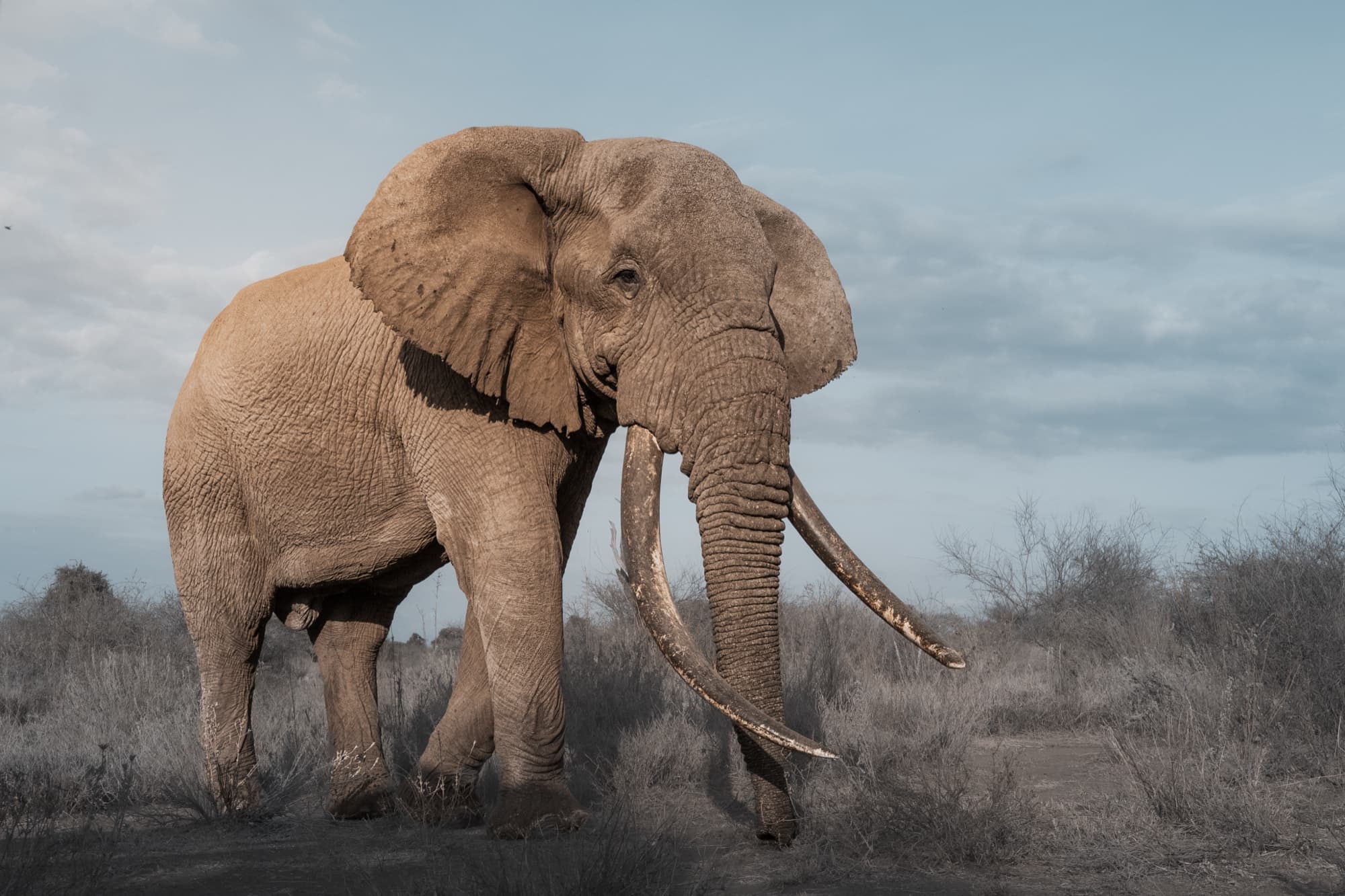
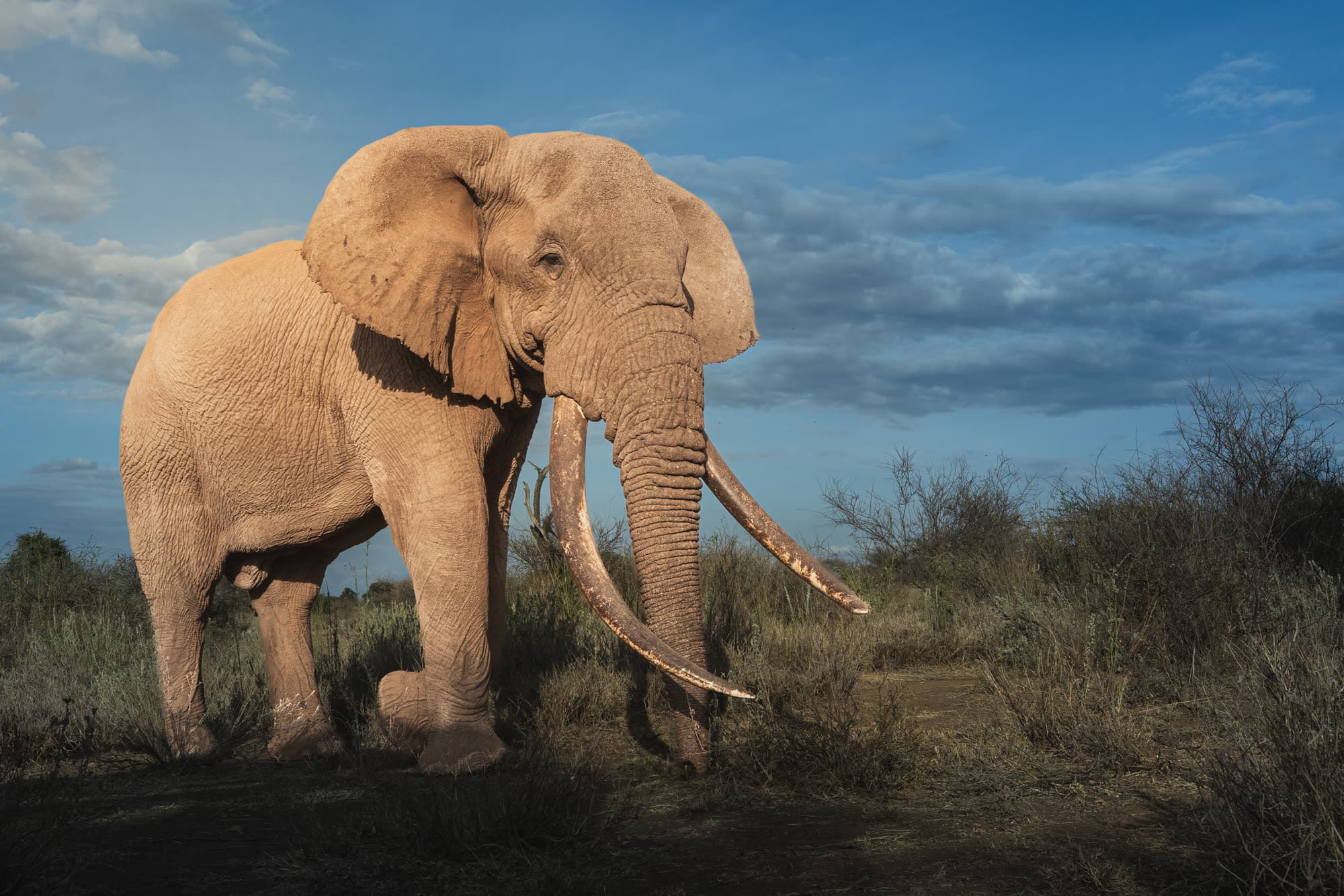
10 September 2026 · Greater Amboseli ecosystem, Kenya · photographed by Nature Zi.
Six months after Kimana Sanctuary, we found him again.
He was in the scrub, moving unhurriedly through dry vegetation in the late afternoon light.
Again, we stayed in the vehicle.
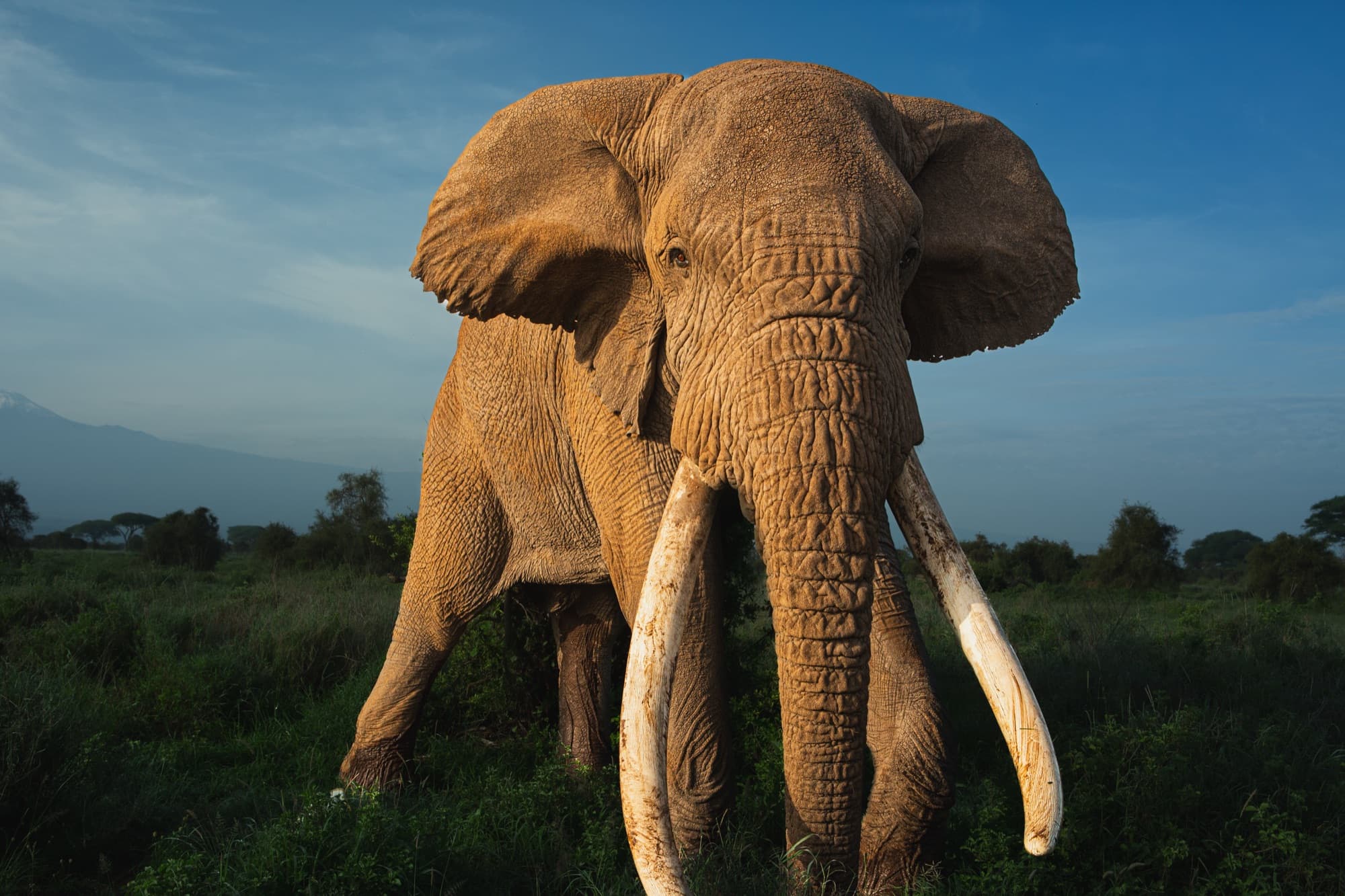
He came close — close enough that the tusks filled the frame.
Then he kept walking, and we watched him go.
Life record
- Species
- African savanna elephant
- Scientific name
- Loxodonta africana
- Sex
- Male
- Born
- 1988Amboseli Trust for Elephants
- Family
- T familyAmboseli
- Mother
- Tallulahresearch record
- Ecosystem
- Amboseli ecosystem, Kenya
- Known as
- Super Tusker
- Status
- Living · record remains open
A life is made of moments.
1988
Born into the T family
Amboseli Trust for Elephants records Tee-Jay as a male calf born to Tallulah in 1988.
Verified context
Growing into a bull
As Tee-Jay matured, his life increasingly became that of an adult bull.
Interpretation
Documented in musth
Tee-Jay has been documented in musth and in escalated contests with other adult males in Amboseli. His life is documented not only through photographs, but through behaviour.
Verified context
15 March 2026
Field Record 001 — Kimana Sanctuary
Nature Zi photographed Tee-Jay at Kimana Sanctuary in the Amboseli ecosystem — a single encounter of about twelve minutes, late morning. He was feeding when found; he later walked up to the stationary vehicle and passed close beside it.
Field observation · Nature Zi
10 September 2026
Field Record 002 — Amboseli ecosystem
Nature Zi photographed Tee-Jay again in the Greater Amboseli ecosystem — a second independent encounter. He was moving through dry scrub in the late afternoon. He came close, passed, and continued on.
Field observation · Nature Zi
2026
Still part of Amboseli's living landscape
Tee-Jay continues to be documented in the Amboseli ecosystem, where he is recognised as a super tusker.
Verified context
Still in Amboseli.
The record stays open.
What the photographs cannot explain alone.
Field notes on photographing Tee-Jay — waiting in the vehicle, letting a super tusker choose the distance, working a single short encounter — will be published here as they are written.
A record kept by many hands
Almost nothing on this page began with me.
Tee-Jay's birth year and his mother's name are held by the Amboseli Trust for Elephants, which has followed the ecosystem's elephant families since 1972. His behaviour — including musth and contests with other bulls — is documented in the ElephantVoices record. His standing as a super tusker, and his continued presence in the ecosystem, are tracked by the Big Life Foundation and by the rangers who work the Amboseli–Kimana landscape every day.
Nature in Wild adds one encounter to that record. No more than that.
Photographs
Recent updates
No verified public updates have been added yet.
Records & sources
- Amboseli Trust for Elephants — T family history records. verified elephanttrust.org/wp-content/uploads/2019/04/t_families_history.pdfLong-term individual and family records for the Amboseli elephants. Supports Tee-Jay's 1988 birth and his mother, Tallulah.
- ElephantVoices — Elephant ethogram — Tee-Jay behaviour record. verified elephantvoices.org/elephant-ethogram/ethogram-table/behaviorconstellation?cvid=MjIyNSwyNzI4&id=25Documented Tee-Jay behaviour, including musth and escalated contests with adult bulls.
- Big Life Foundation — Age-mates with a super tusker. verified biglife.org/program-updates/big-life-news/age-mates-with-a-super-tuskerContinued documentation of Tee-Jay in the Amboseli ecosystem, and use of the classification “super tusker”.
- Nature Zi (first-hand field observation) — Tee-Jay photographed at Kimana Sanctuary, 15 March 2026. verifiedFirst-hand identification and observation by Nature Zi. Kimana Sanctuary, 11:40–11:52 EAT; 12 source photographs (10 distinct frames); identity confirmed by the photographer. Date verified from original camera EXIF.
- Nature Zi (first-hand field observation) — Tee-Jay photographed in the Greater Amboseli ecosystem, 10 September 2026. verifiedSecond independent first-hand encounter by Nature Zi. Greater Amboseli ecosystem, afternoon. 5 photographs; identity confirmed by the photographer.
Why This Life Matters
It would be easy to reduce Tee-Jay to a measurement — the length of his tusks, the size of his frame.
But the reason his life is worth recording is longer than that. He has been known, by name, since 1988. Individual elephants in Amboseli are followed across whole lifetimes, and Tee-Jay is one of them.
A super tusker is not only a rare kind of elephant. It is a rare kind of record — a life documented closely enough, for long enough, that we can say who he is, and not only what he is.
This record is not finished.
Tee-Jay is still living his life across the Amboseli ecosystem. If we meet him again, it will continue.