Field Note
She Walked to Within Two Meters. The Long Lens Was Useless.
One name. One place. Two meters.
By Nature — wildlife photographer based in Nairobi, Kenya, with 16 years of field experience across East Africa.
Did you think you needed the longest lens you own to photograph Africa's black leopard?
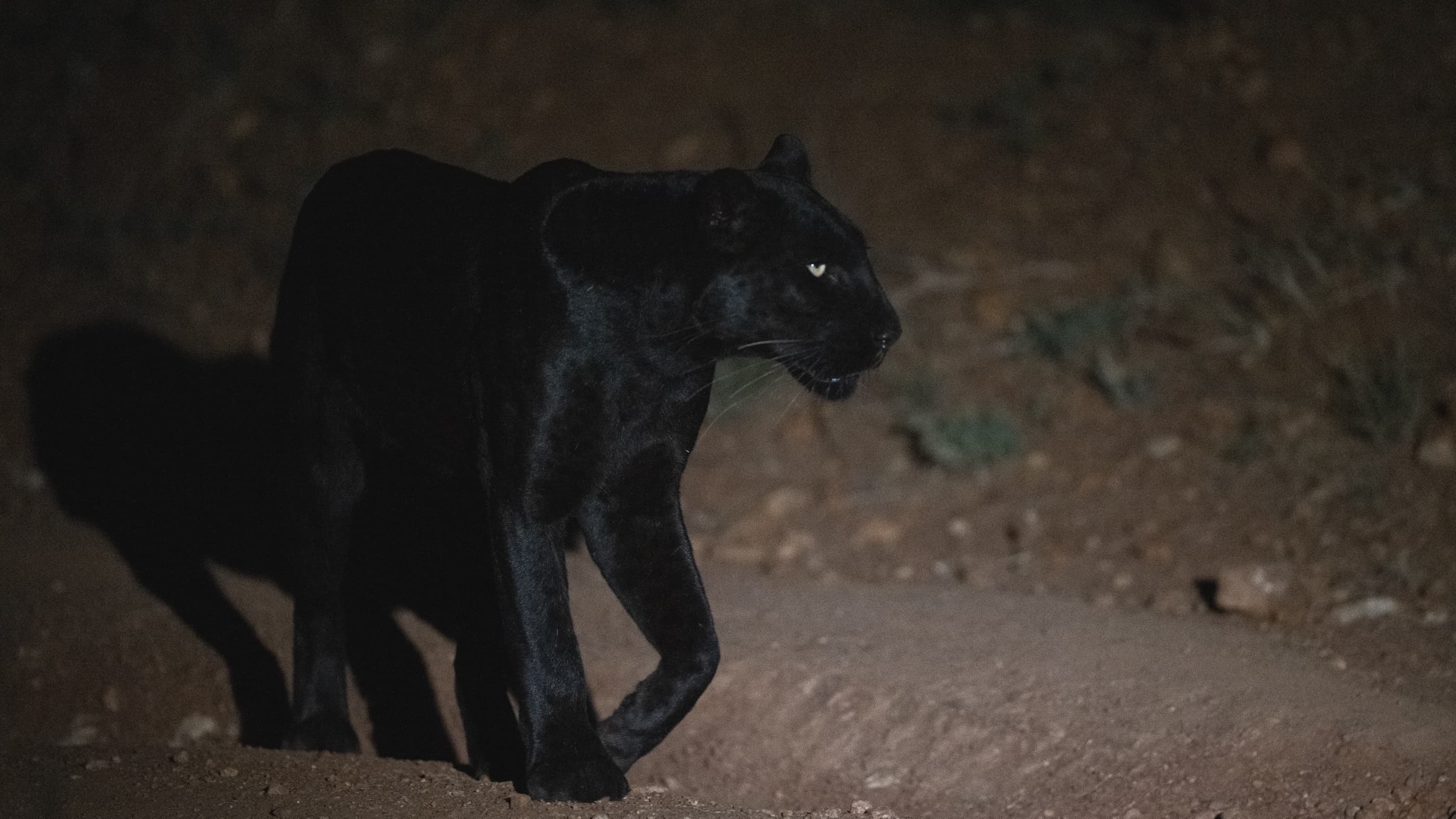
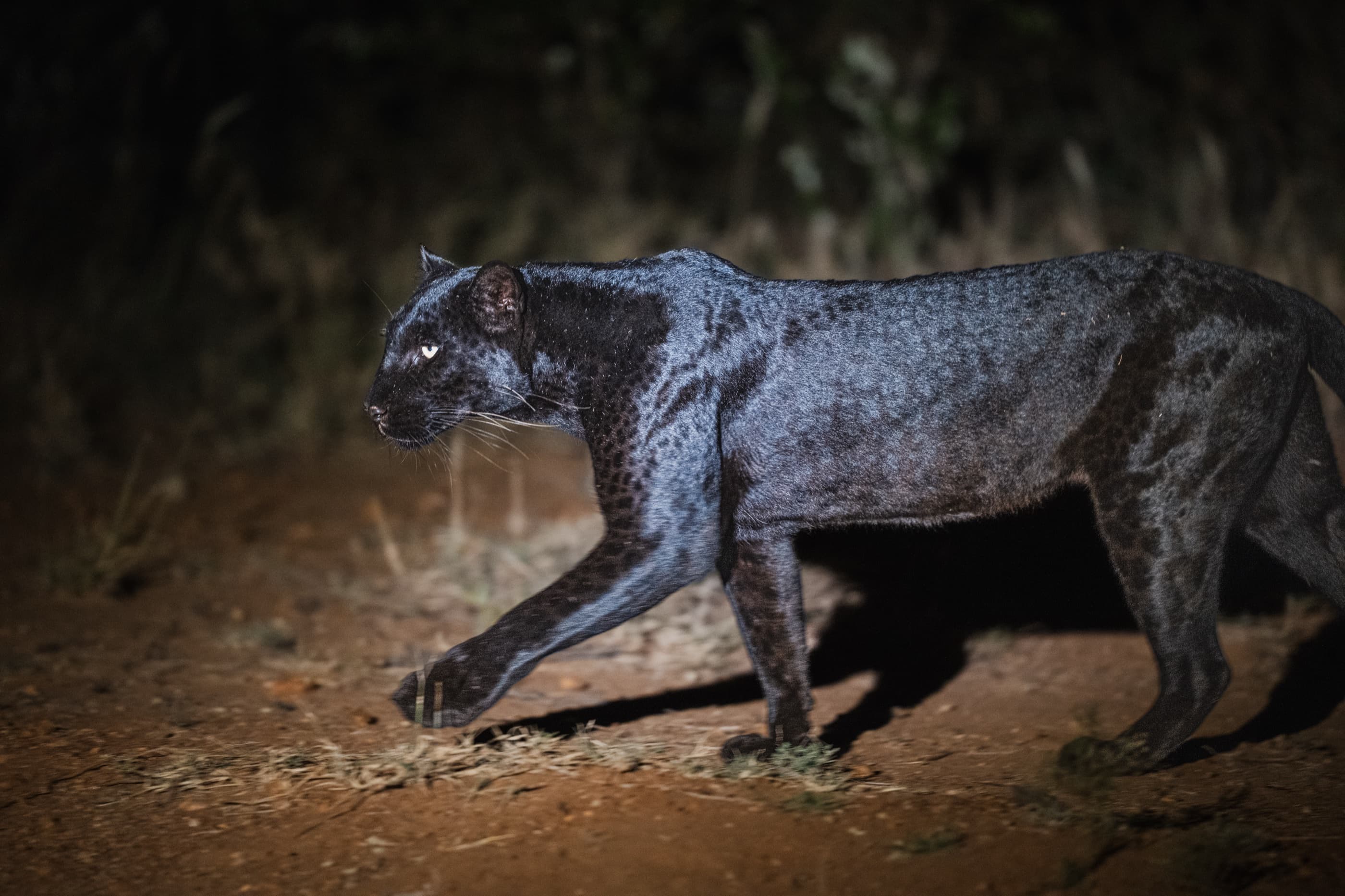
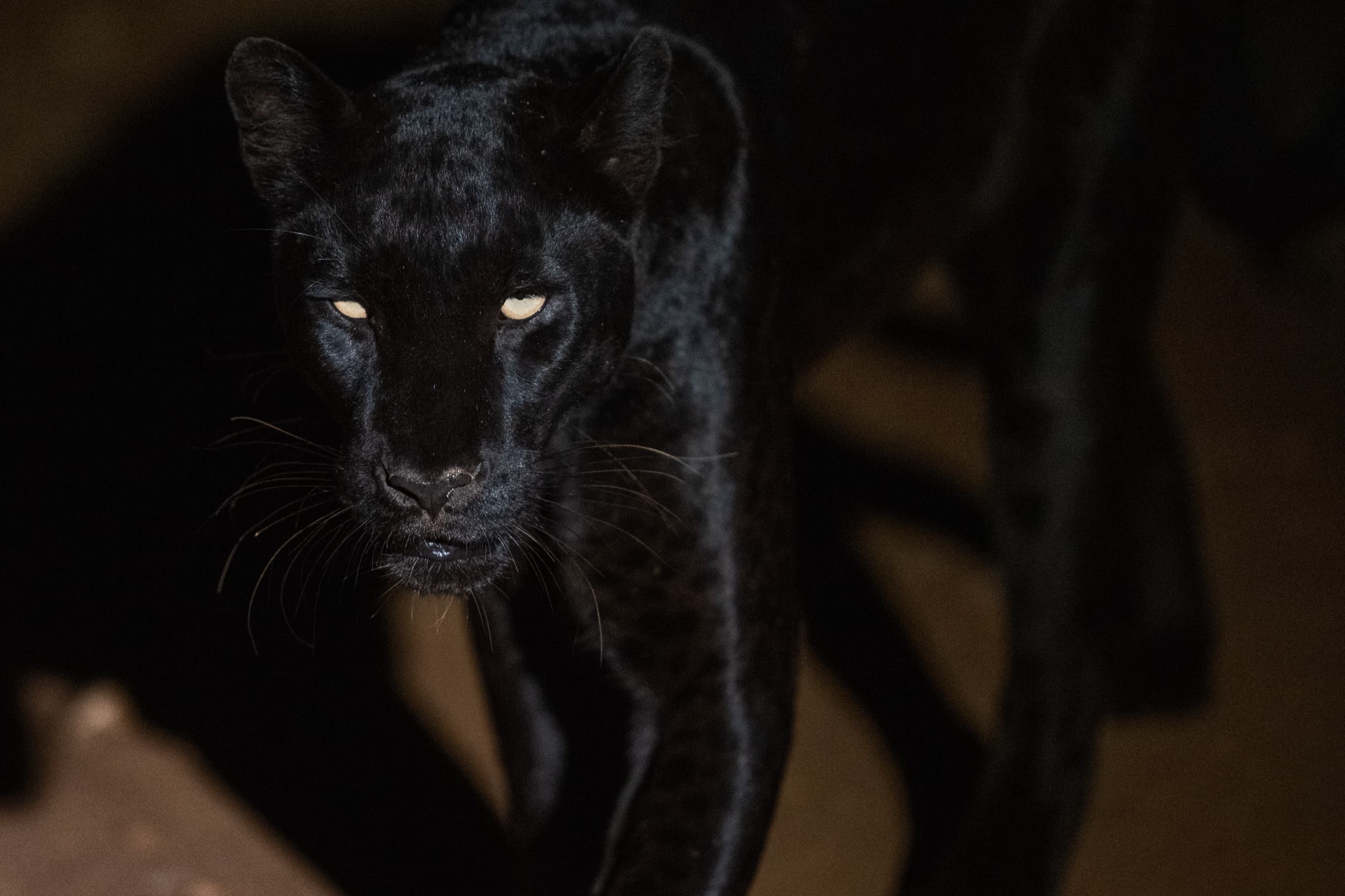
The first time I saw Giza, she walked directly toward my vehicle. The distance between us was about two meters. A long telephoto lens was not just unnecessary — it was physically impossible to use.
Photographing Black Leopards Means Photographing Giza
Africa's black leopard — Laikipia, Kenya, near Laikipia Wilderness Camp. This is the place.
There are around four melanistic leopards known in this area, but only one is reliably sighted. The others appear without pattern.
Her name is Giza. In Swahili, it means darkness.
If you come here to photograph a black leopard, you are coming here to photograph her.
How Long to Stay
I normally plan two to three nights here. For the best photographs, three nights.
The probability of seeing Giza: above ninety percent.
What you see when you find her is harder to guarantee. A hunt, cubs, an encounter with another animal — those are beyond any itinerary.
One Night in May 2025
I went in May 2025. One night only.
On the night game drive, it was completely dark. Something dark moved through the bush — the shape of it, not the detail. Like a ghost passing through the branches.
Then she turned and walked directly toward the vehicle.
She was probably out hunting. I kept my finger on the shutter and did not stop shooting. Only afterward did I realize: I should have been recording video. I was too caught up in the moment to think of it.
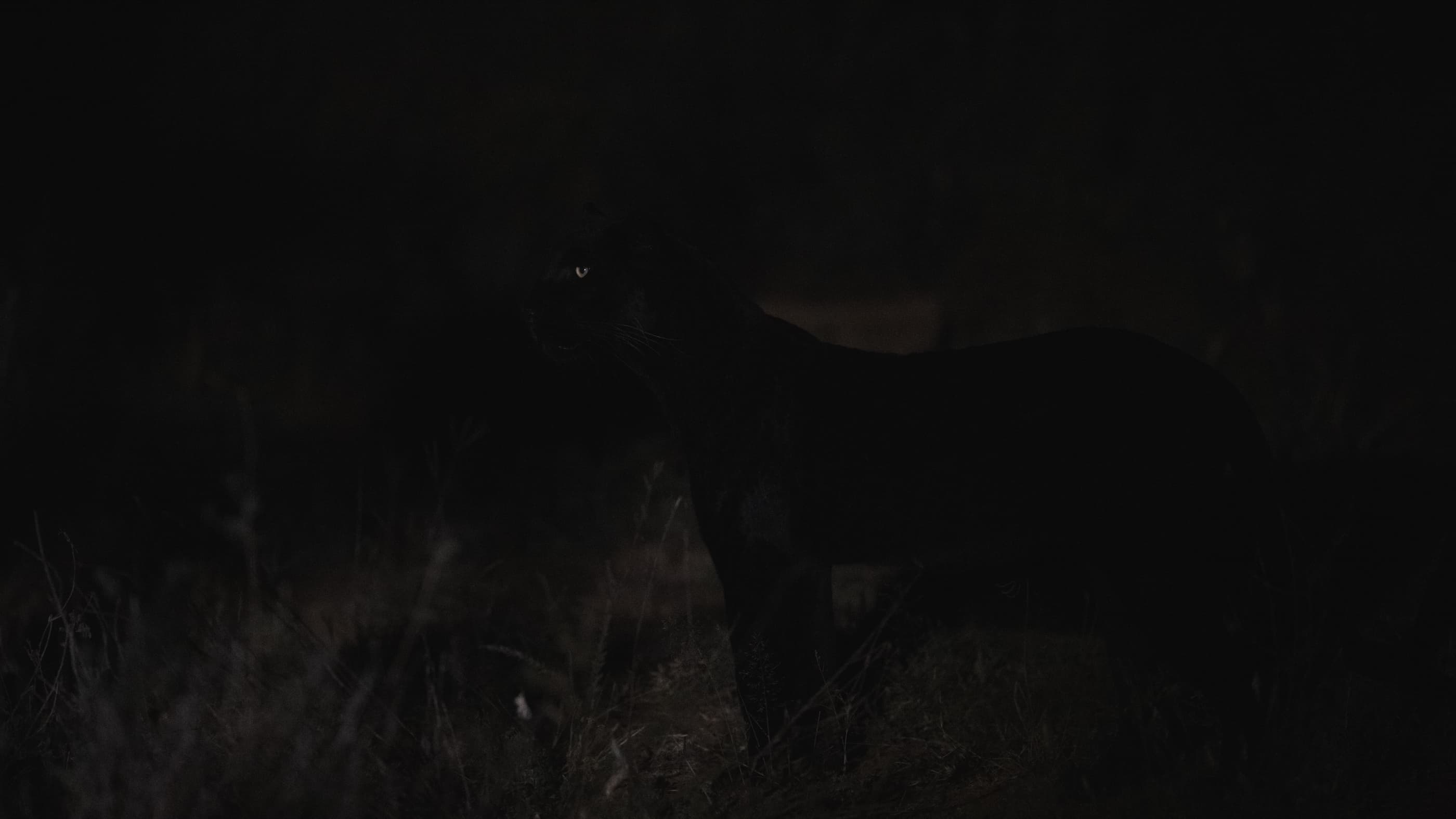
She looked at us. You could feel it. But she has the manner of someone who has seen everything and is impressed by nothing. One look, and she walked on.
The Hardest Part Is Not Finding Her
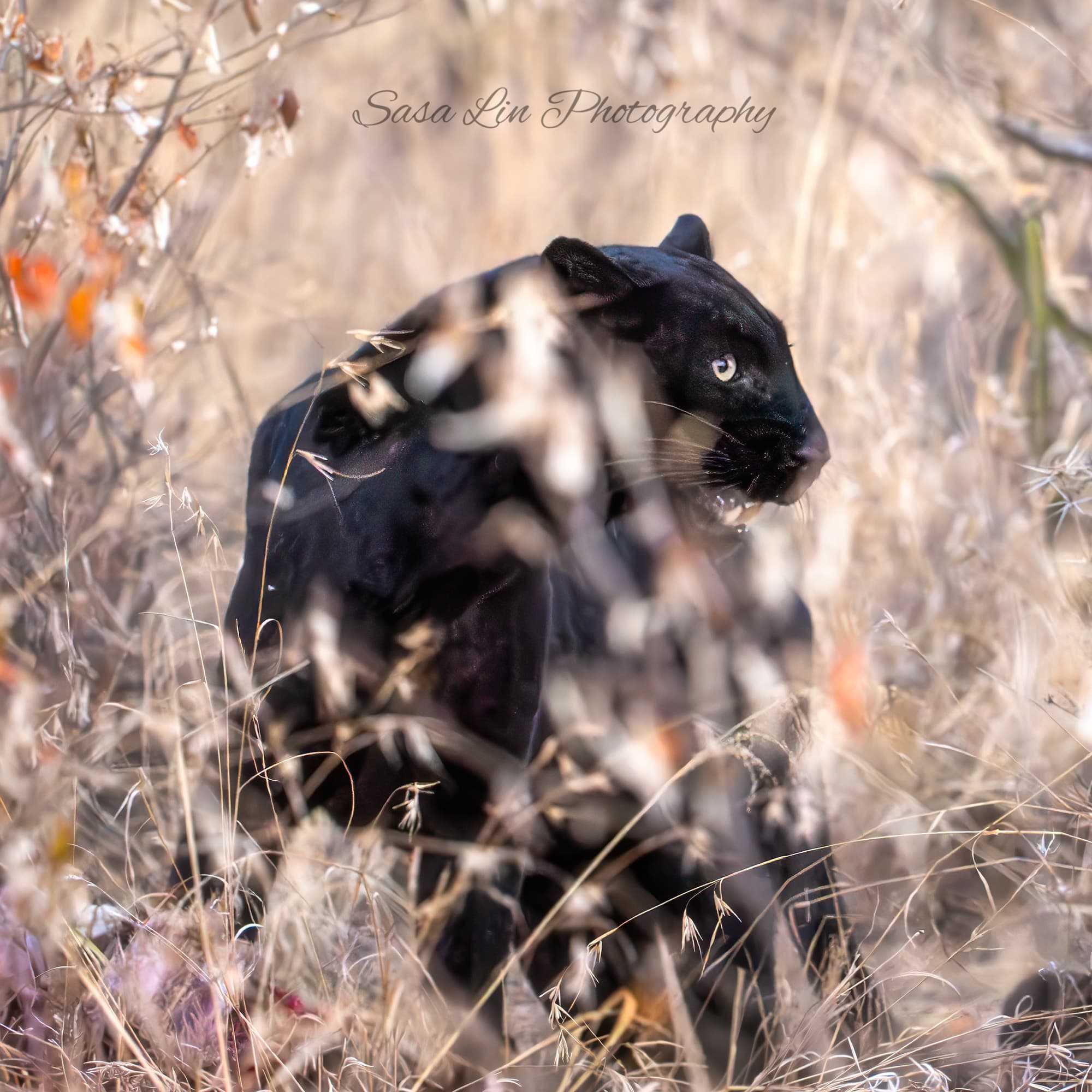
The hardest part of photographing Giza is not locating her. It is the density of the Laikipia bush.
Getting a clean frame — subject clear, background open — is genuinely difficult here. The vegetation is always present.
And when she is two meters from the vehicle, a long lens is useless. My advice: bring a wide angle. And if she is that close and you do not have it mounted, do not waste time changing lenses. Use your phone. The moment is more important than the equipment.
The Black Did Not Pass On
There is something many people do not know about Giza.
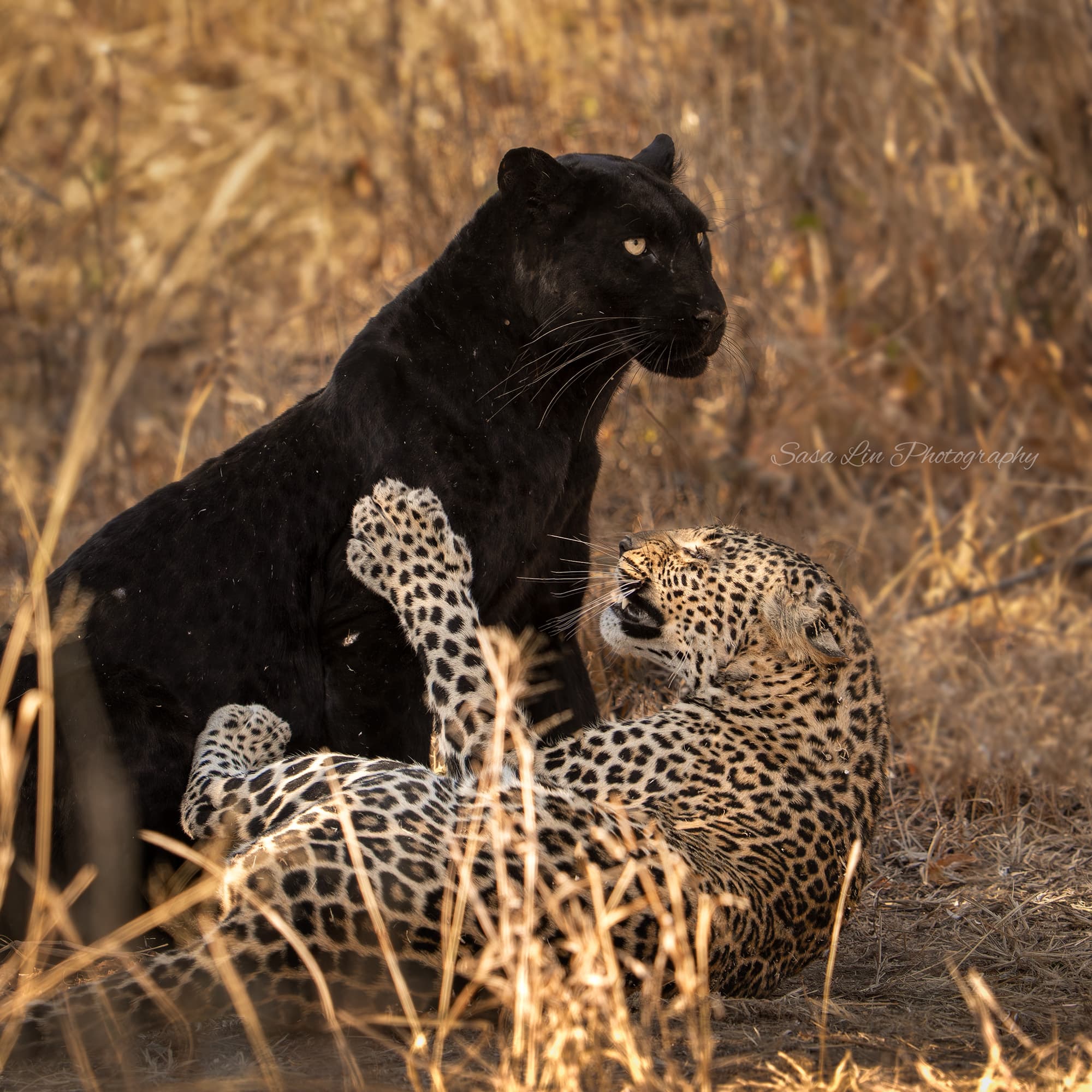
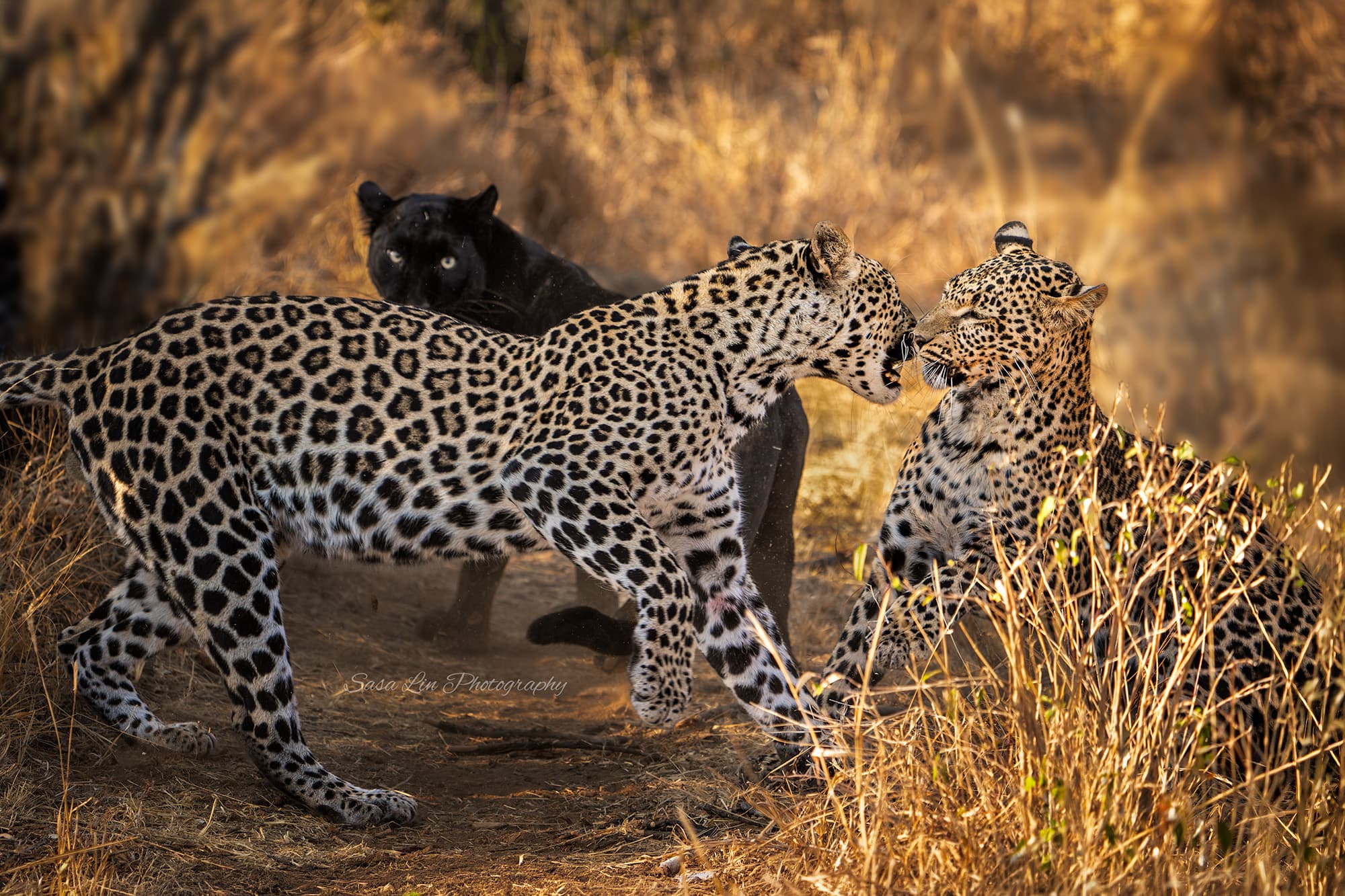
She has cubs. A daughter named Zawadi — gift in Swahili — and a son named Nyota — star. Both cubs are normal-coloured spotted leopards. The melanism did not carry through to either of them.
When I visited in May 2025, the cubs were around six months old. Giza out at night, hunting alone, was almost certainly hunting for them.
If You Don't See Her
A trip without Giza is still not a wasted trip.
Laikipia has lion and elephant. It also has Grevy's zebra and reticulated giraffe — both rare, neither found in the Maasai Mara. With luck, African wild dog.
But you will see her. The probability is on your side.
People sometimes ask whether the black leopard is a separate species. It is not. It is a melanistic leopard — the same animal, different pigmentation.
Here, in Laikipia, it is also a name. Giza.
— Nature
Laikipia, Kenya