Wildlife Photography Journey
East Africa Migration Photography Journey
Seven East African landscapes, and seven ways of seeing them.
14 days / 13 nights·Kenya + Tanzania·July–September
Enquire about this JourneyWhy this Journey
One trip, several different landscapes.
East Africa is not one photographic landscape. It is a sequence of very different ones — arid northern bush, a Rift Valley lake, open migration grassland, a river, a predator heartland, a crater, and elephant country under a mountain.
The route is built to move through that sequence deliberately. Each landscape asks for a different way of working: different light, different distances, different behaviour, different patience.
The wildebeest migration matters, and the timing is chosen for it. But the migration is one chapter, not the whole reason for the Journey. The point is to come home able to photograph wildlife in more than one way.
Designed in the field by Nature Zi.
The route
North to south, and back.
- Samburu2 nights
- Lake Naivasha2 nights
- Maasai Mara2 nights
- Northern Serengeti2 nights
- Central Serengeti2 nights
- Ngorongoro / Karatu1 night
- Amboseli / Kilimanjaro2 nights
- Return to Nairobi
Seven ways of seeing
Not seven stops. Seven ways of photographing wildlife.
Each landscape sets a different problem — different light, different distance, different behaviour, different patience. Read as a sequence, the route moves from scale, to habitat, to motion, to mass movement, to tension, to intimacy, to ecosystem, and back to scale.
01 · Kenya
Samburu
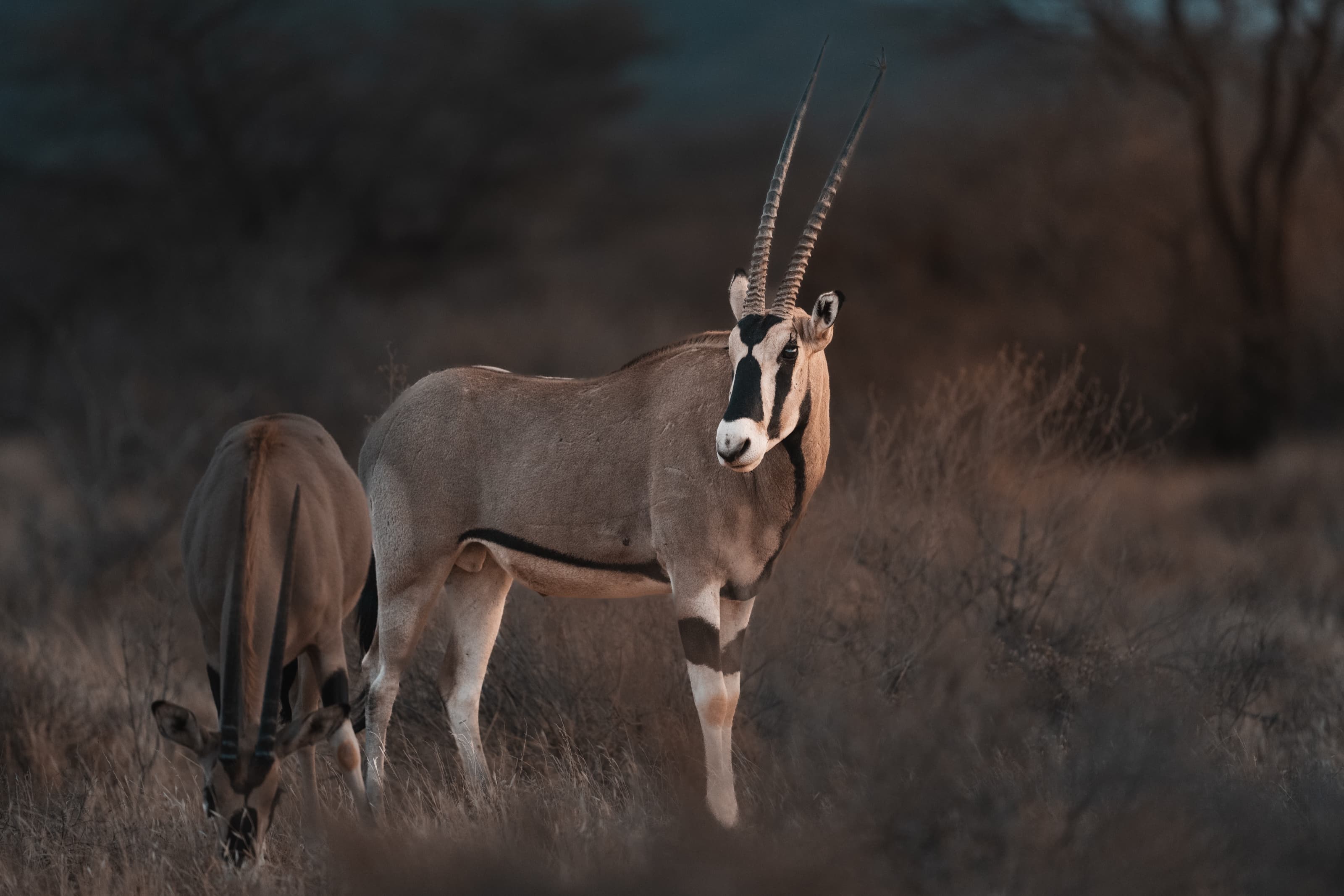
Species in Habitat
Learning to photograph an animal without lifting it out of the country it belongs to.
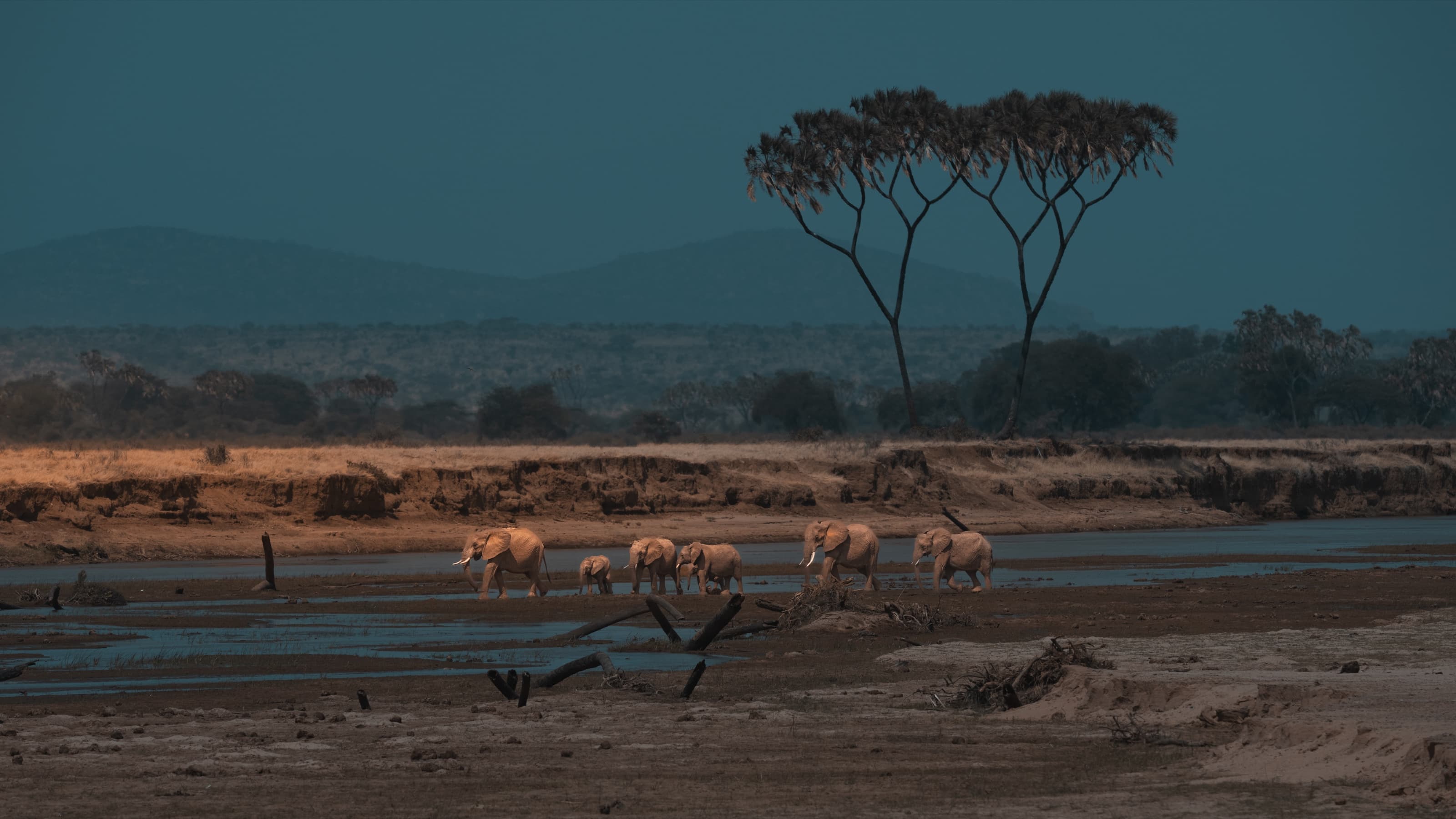
Samburu is dry country in Kenya's north, held together by the Ewaso Ng'iro river. The wildlife here is different from the southern parks — species adapted to heat and thorn.
Two nights allow time for the arid-country specials and for the predators that work the open ground near the river.
02 · Kenya
Lake Naivasha
Water & Motion
Slowing down for reflection, ripple and the moment a bird meets the water.
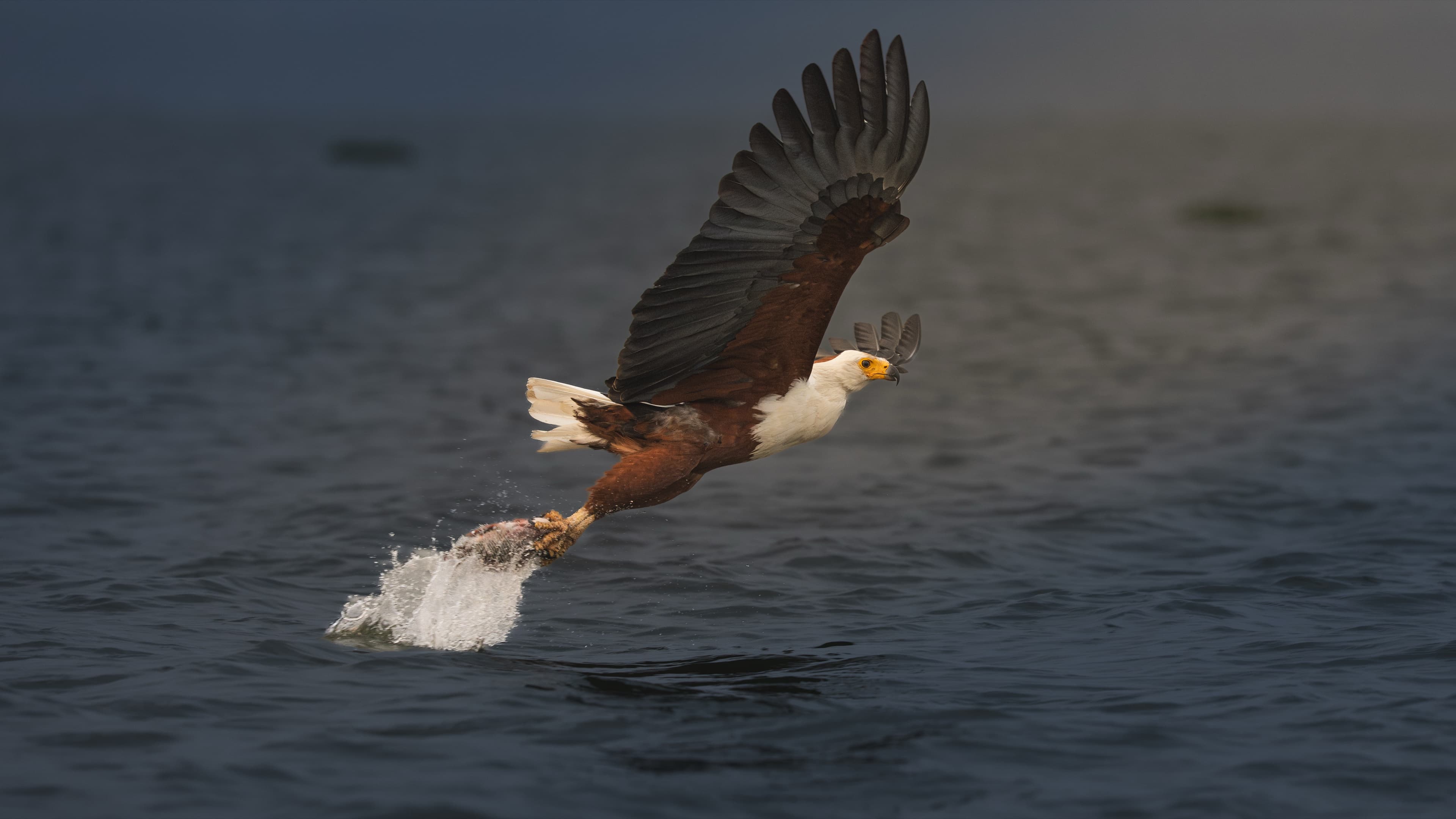
A freshwater lake in the Rift Valley, worked partly by boat. The interest here is water and birds rather than big game.
The pace is slower — fish eagles over the lake, hippo near the shore, and long light along the reed edge.
03 · Kenya
Maasai Mara
Migration Landscape
Reading the herds as a feature of the country, not just counting animals.
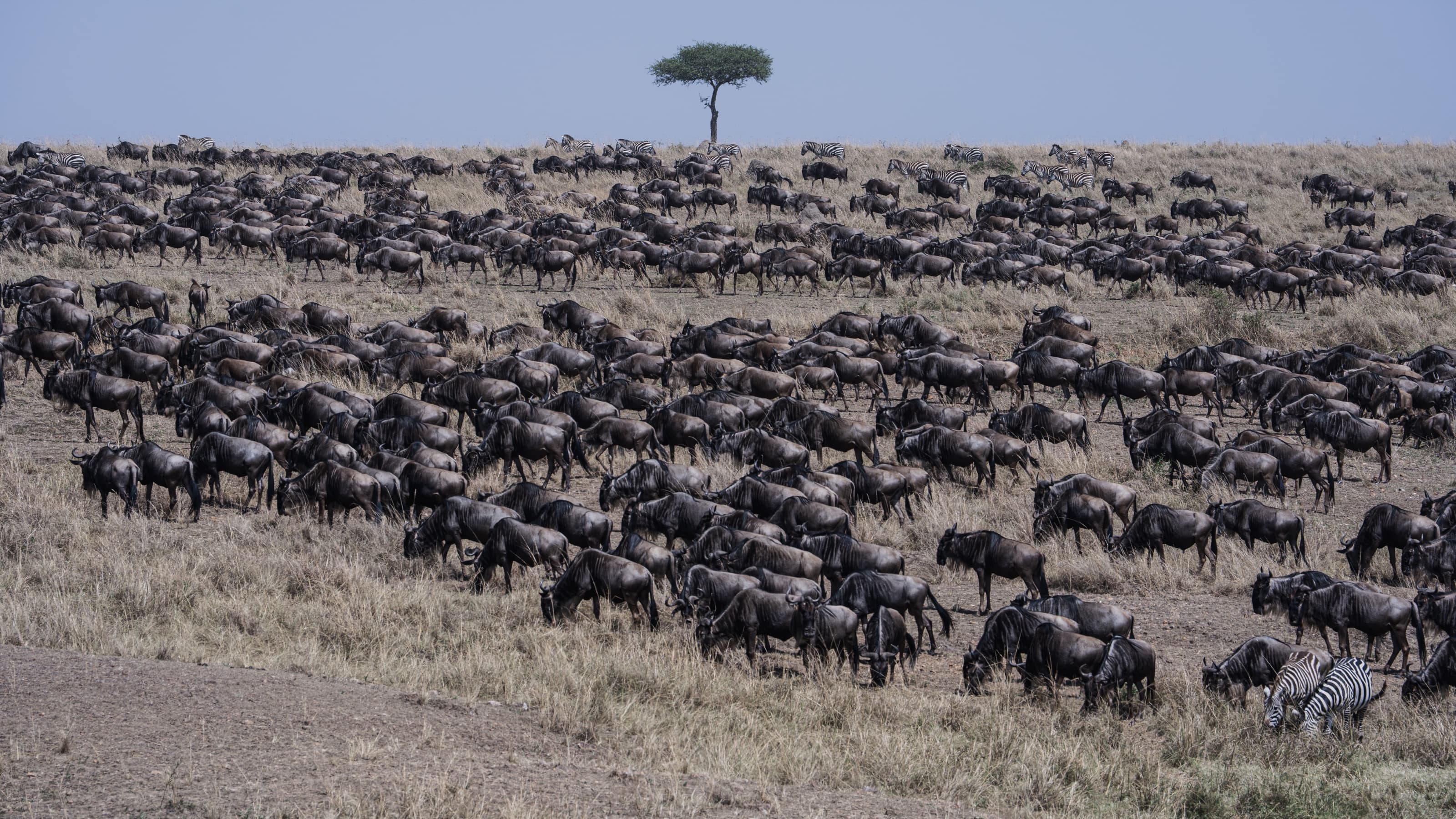
The Mara is open grassland on the Kenyan side of the migration ecosystem, known for its resident big cats.
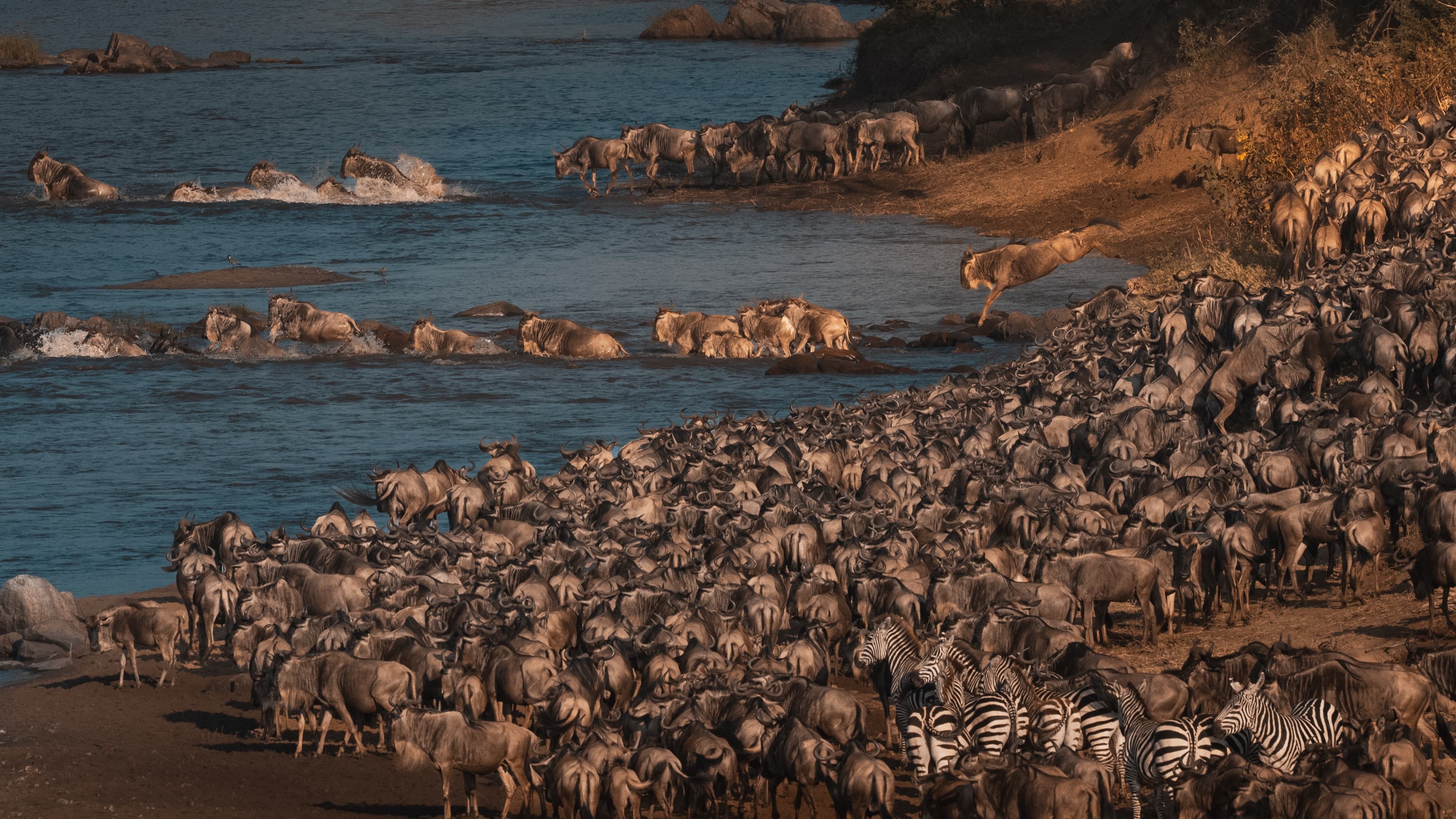
In the July–September window the plains carry wildebeest and zebra, with the herds moving toward the river.
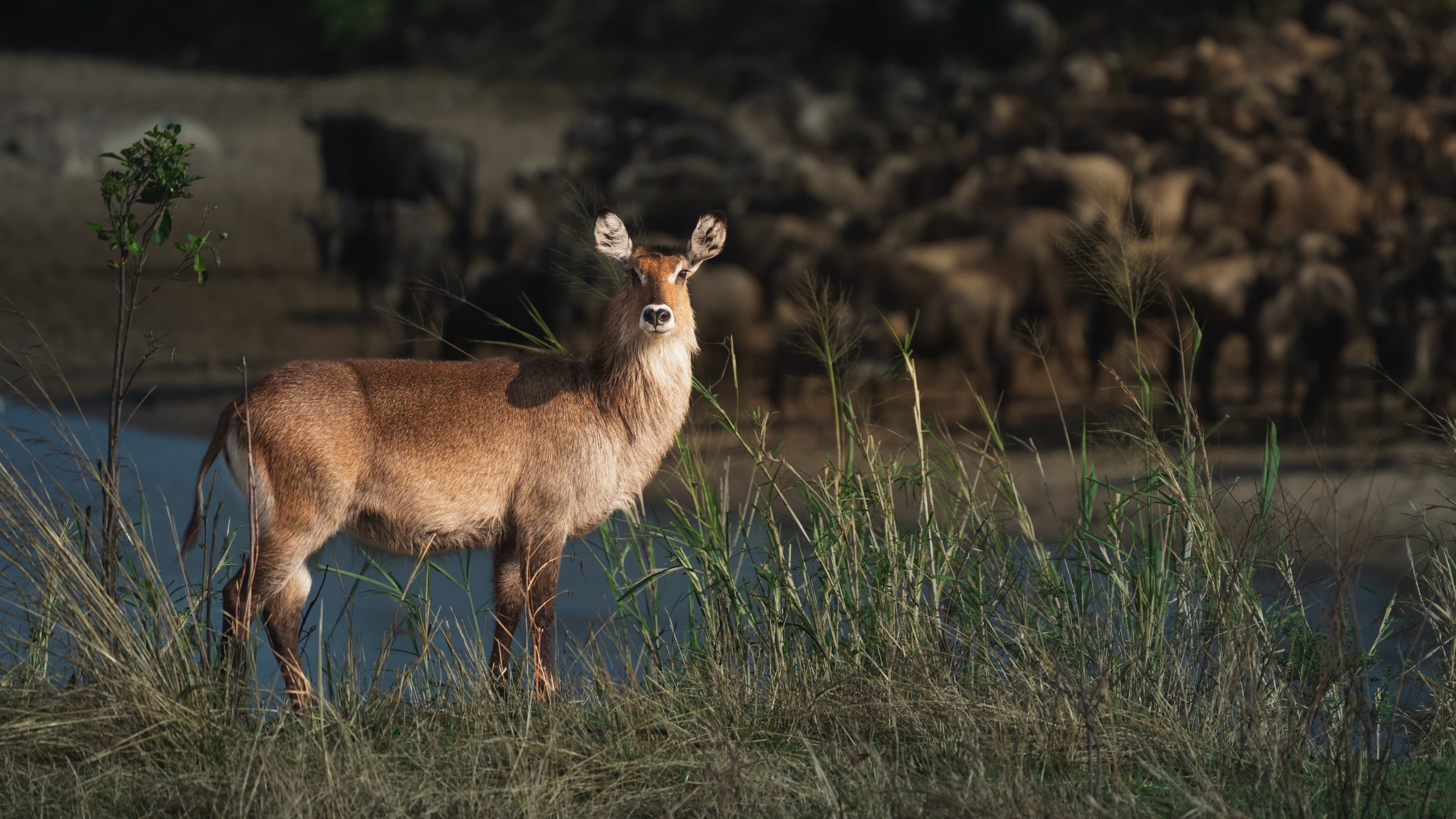
The herds are not only something to chase to the river. They are the texture of the country in this season — a presence in almost every frame, whatever the subject in front of it.
04 · Tanzania
Northern Serengeti
The River
Patience as a technique — hours at the bank for a moment that may not come.
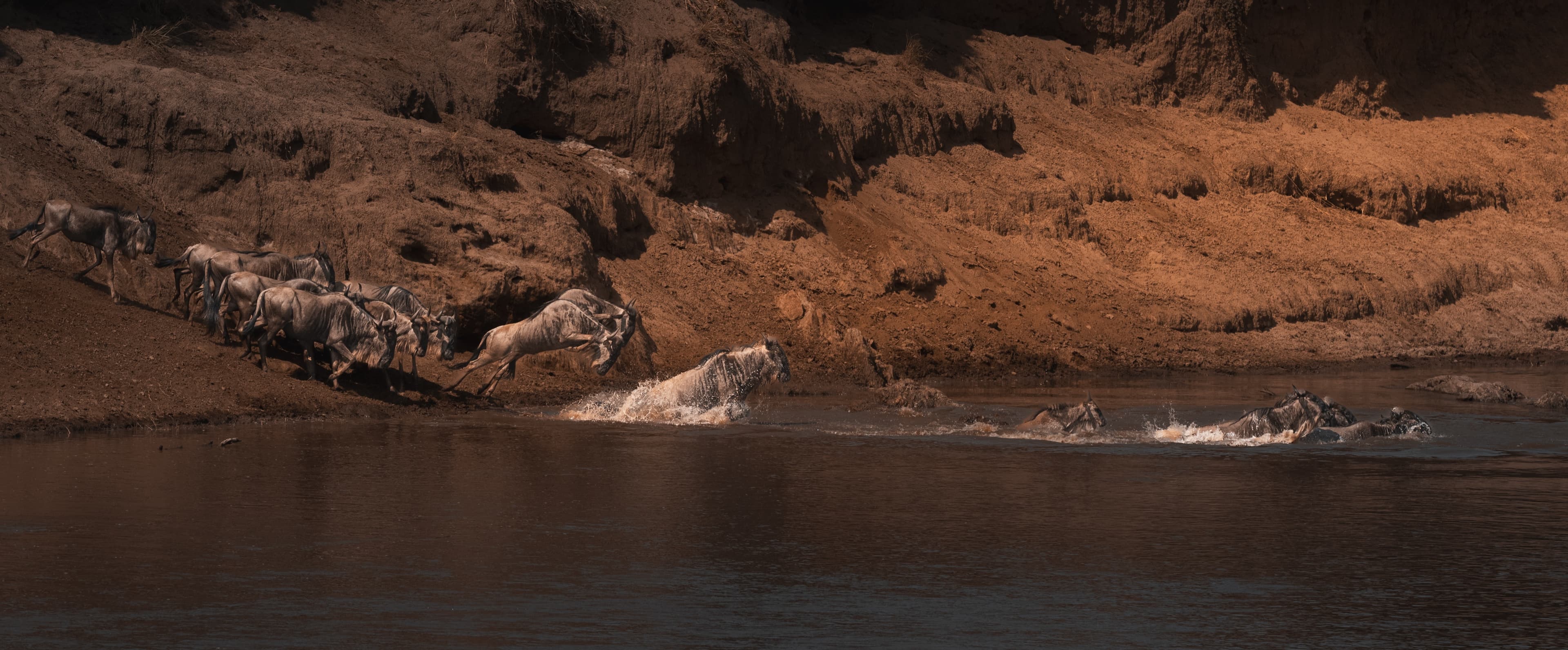
The route crosses into Tanzania and follows the Mara River through the north of the Serengeti.
This is the leg built around the crossings: time spent reading the herds along the bank. Whether a crossing happens, and when, cannot be predicted.
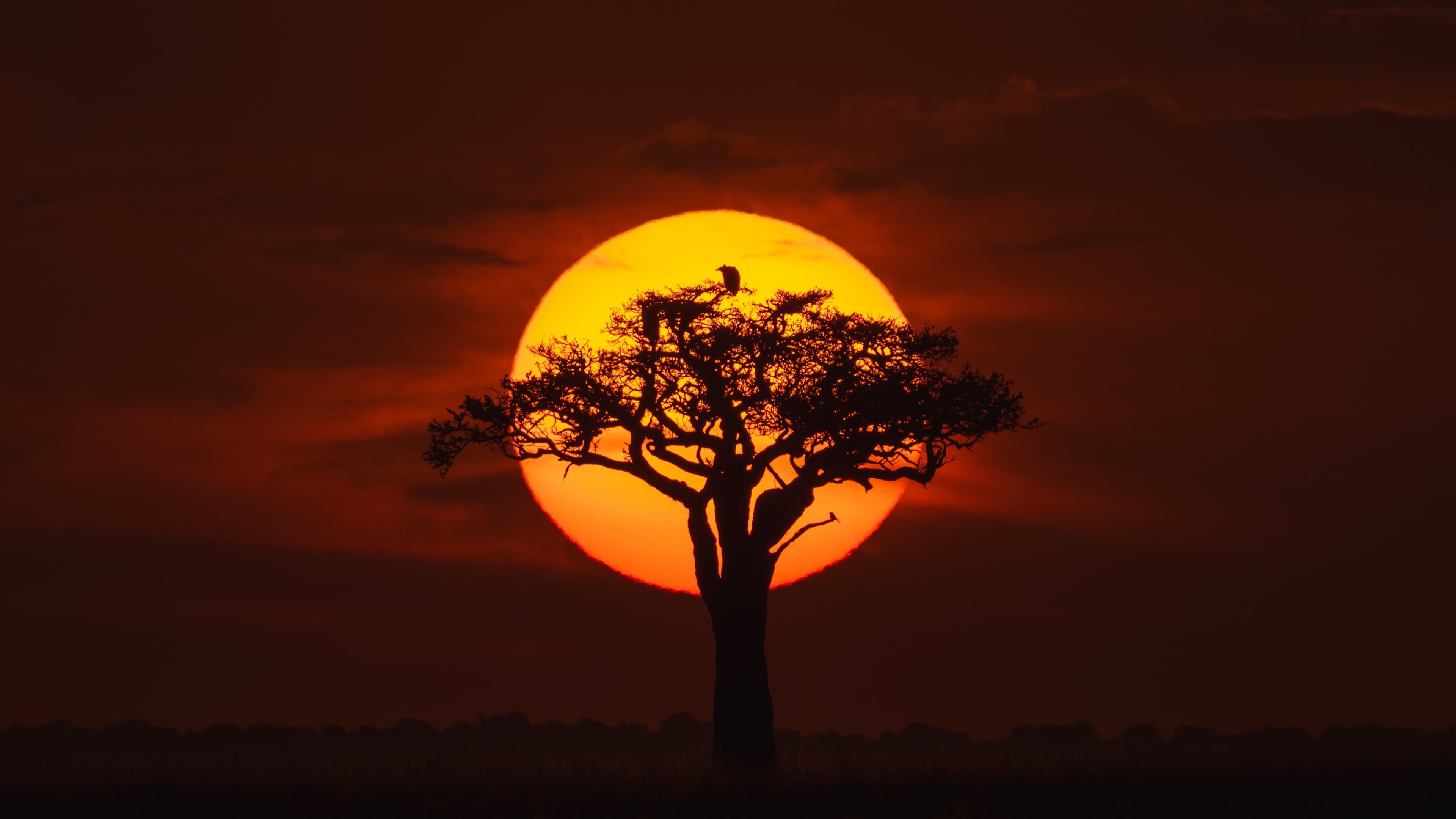
05 · Tanzania
Central Serengeti
Predator Lives
Following individual cats over repeated drives, so behaviour becomes readable.
The Seronera country in the heart of the Serengeti — grassland broken by granite kopjes, with a high density of resident predators.
Two nights here are weighted toward big cats and the behaviour that comes with the migration passing through.
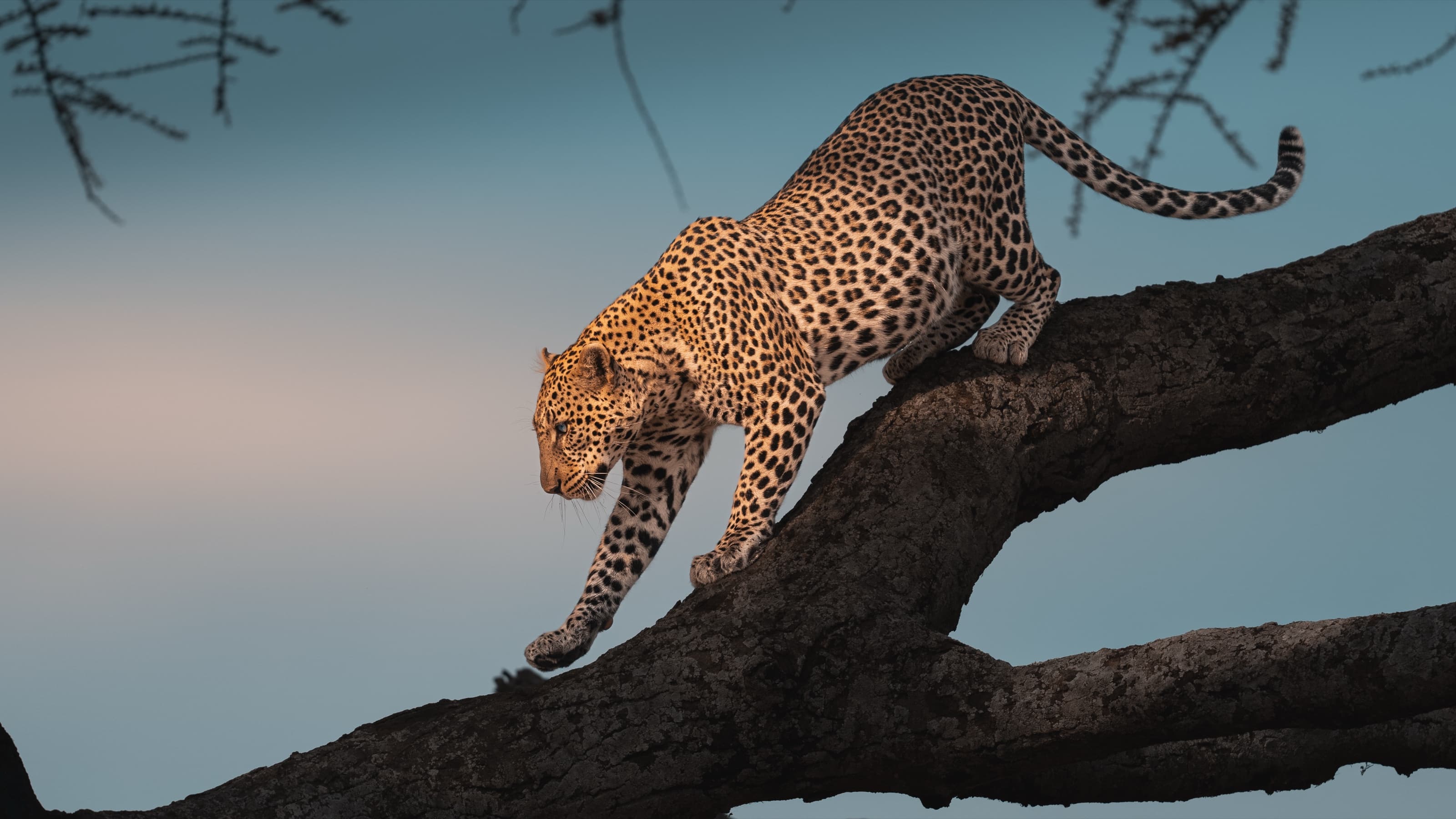
06 · Tanzania
Ngorongoro / Karatu
Ecosystem
One frame that holds a whole working system — predator, prey, water and grass.
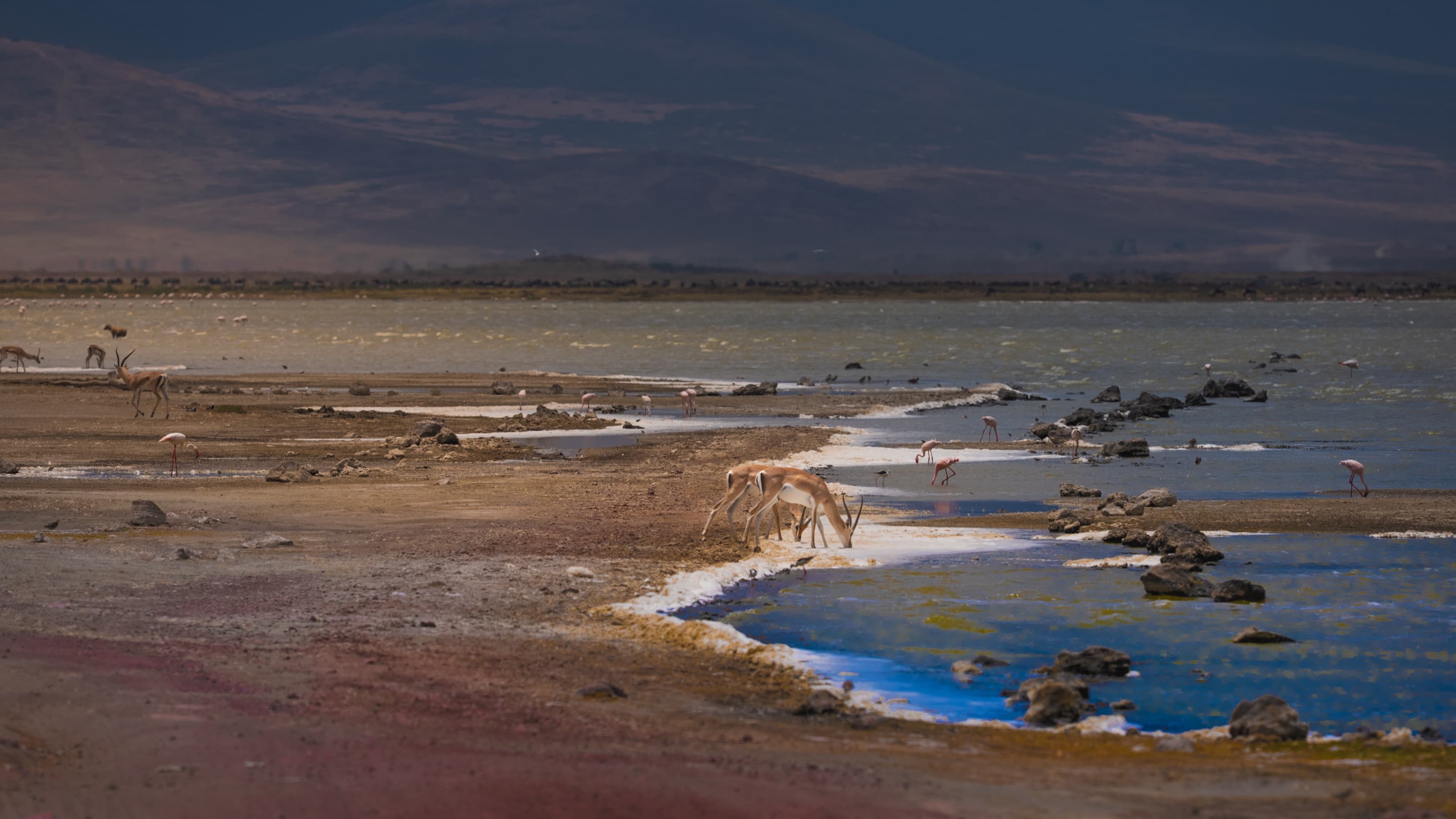
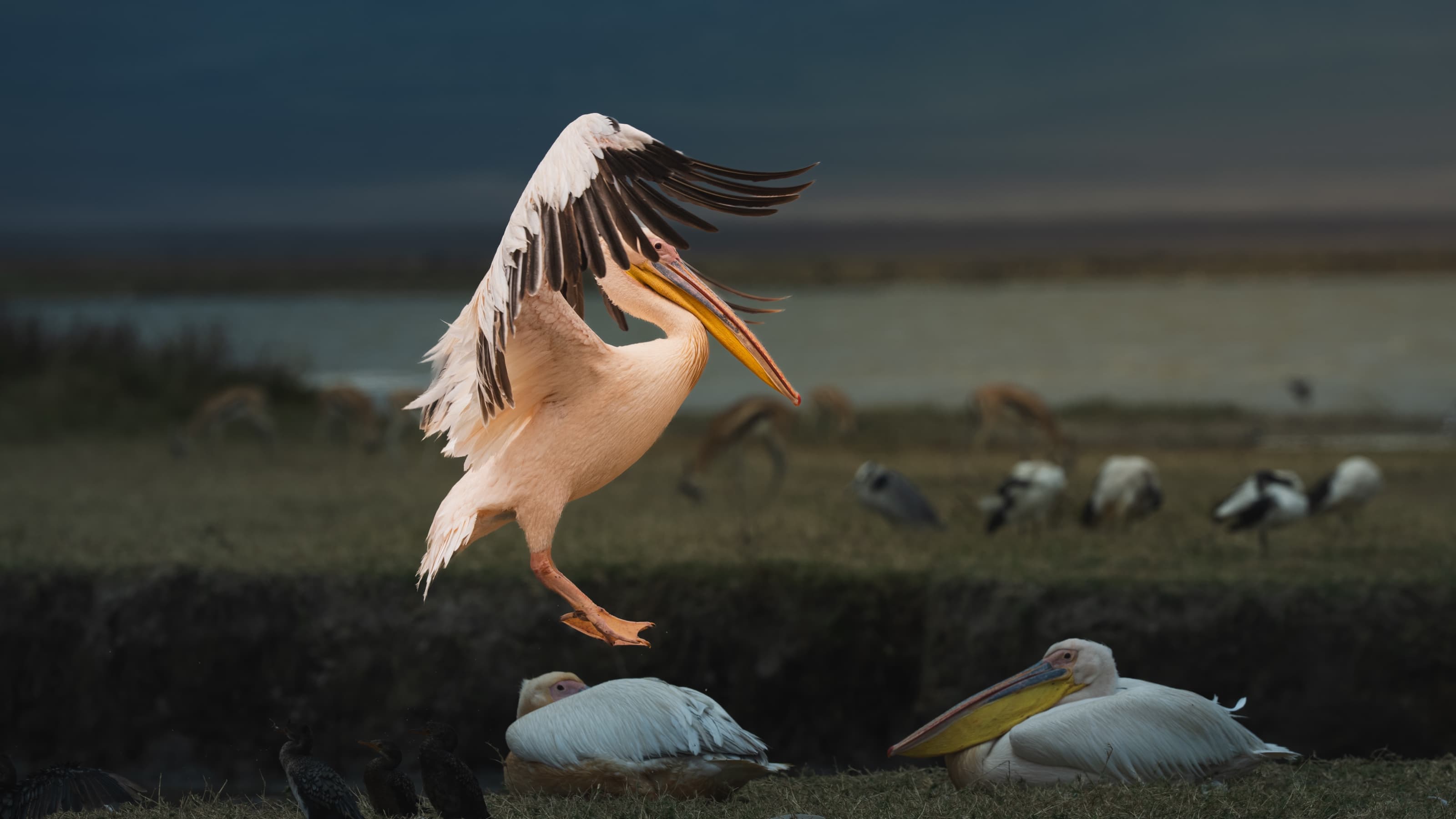
The Journey overnights in the farmland around Karatu and drops into the Ngorongoro Crater for a game drive.
The crater floor is a contained ecosystem with an unusual concentration of animals in a small area, including one of the few regularly recorded black rhino populations.
07 · Kenya
Amboseli / Kilimanjaro
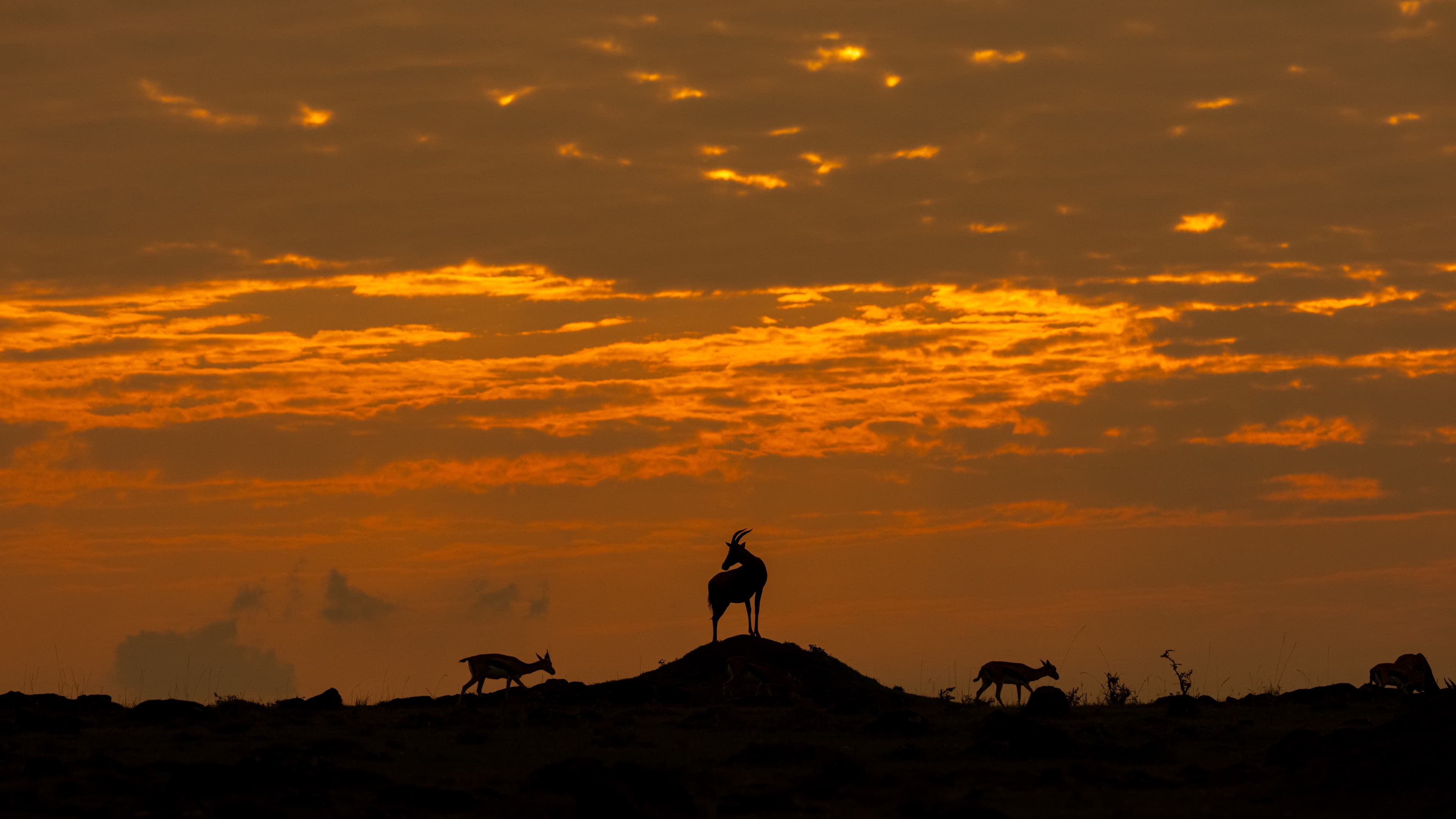
Animal in Its World
Letting the animal go small in the frame so its world stays visible.
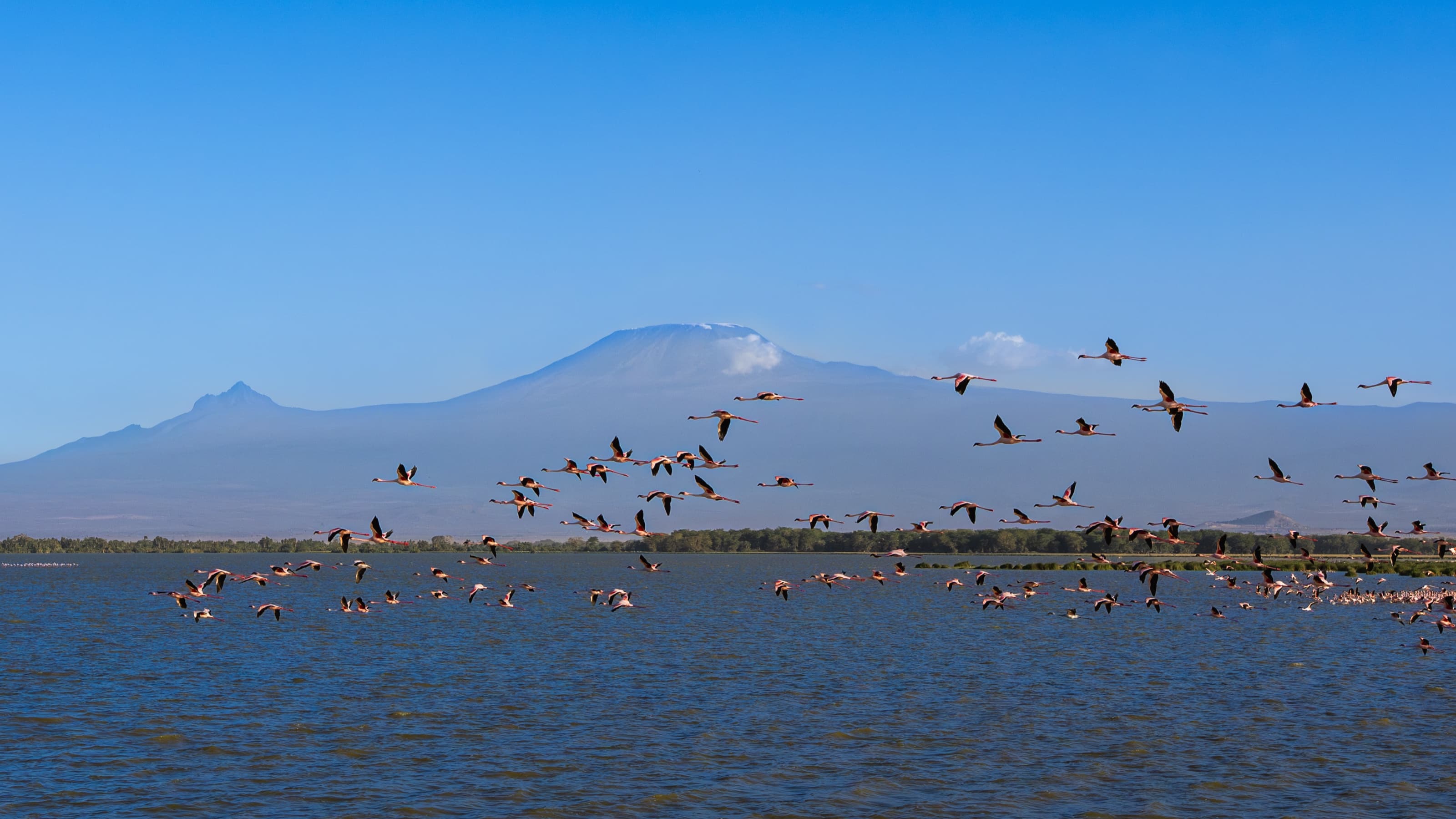
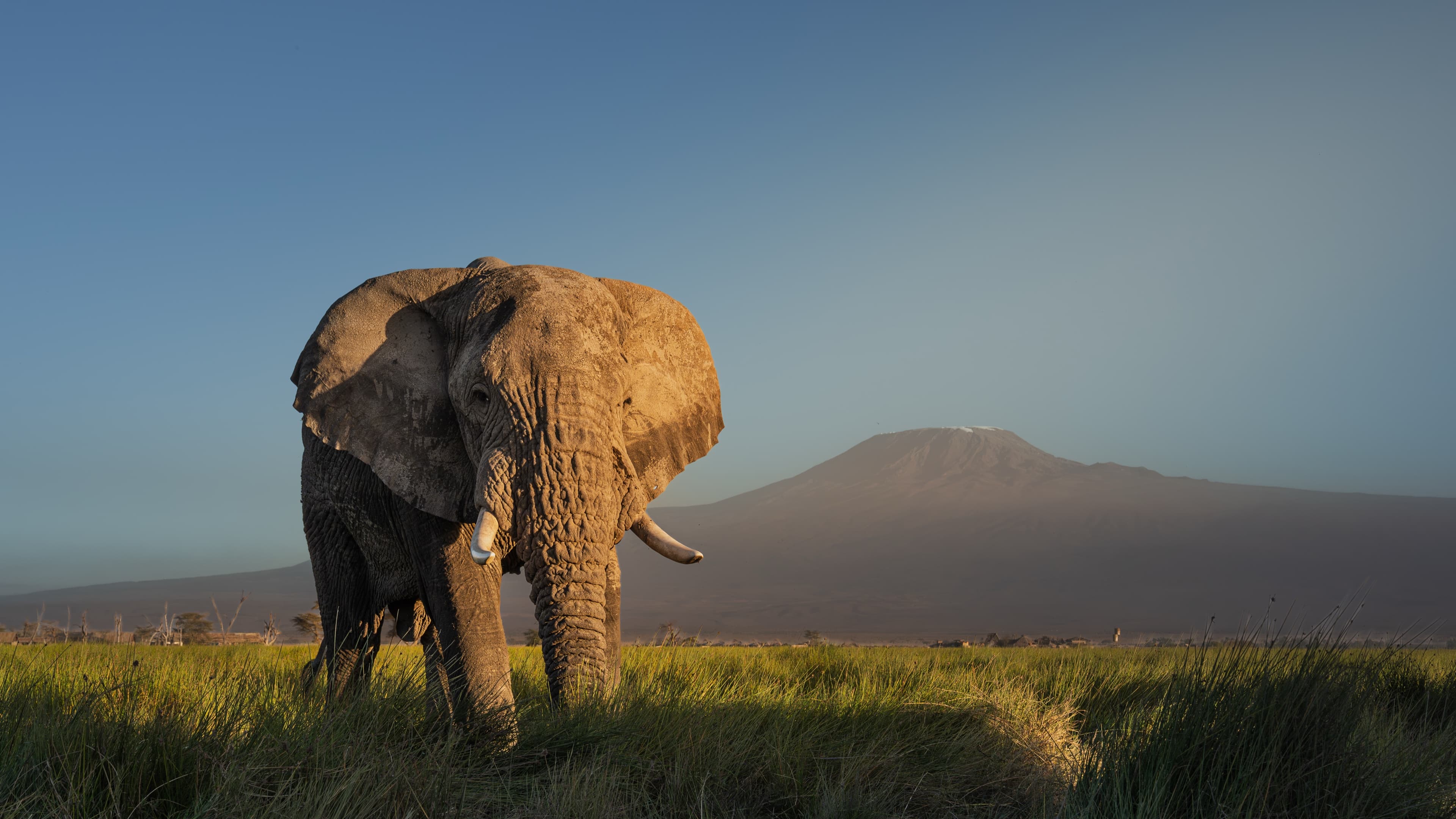
The Journey closes in Amboseli, in Kenya, for elephant country beneath Kilimanjaro, then returns to Nairobi.
Two nights for wide, environmental wildlife photography and for the mountain, which is clearest in the first hour of light.
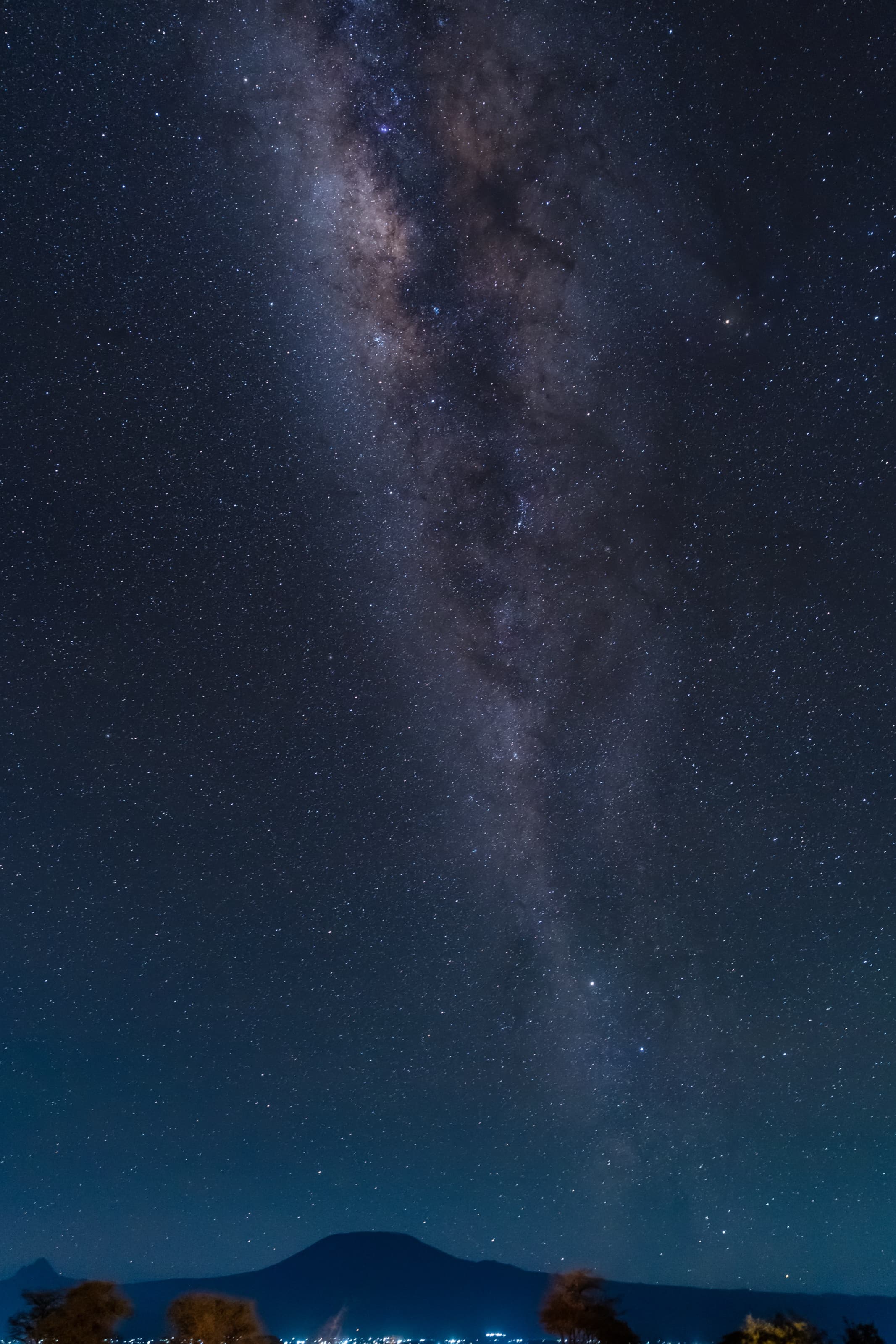
The Journey ends where it is easiest to make the animal small on purpose — birds crossing a lake under a mountain, an elephant against the light, the sky doing most of the work. Then the road back to Nairobi.
What we may photograph
Not how many animals. How many ways of seeing them.
Wildlife is never guaranteed. What the route offers is a range of photographic situations — arid specialists, big cats, mass movement, water and birds, and animals set against landscape.
Northern specialists
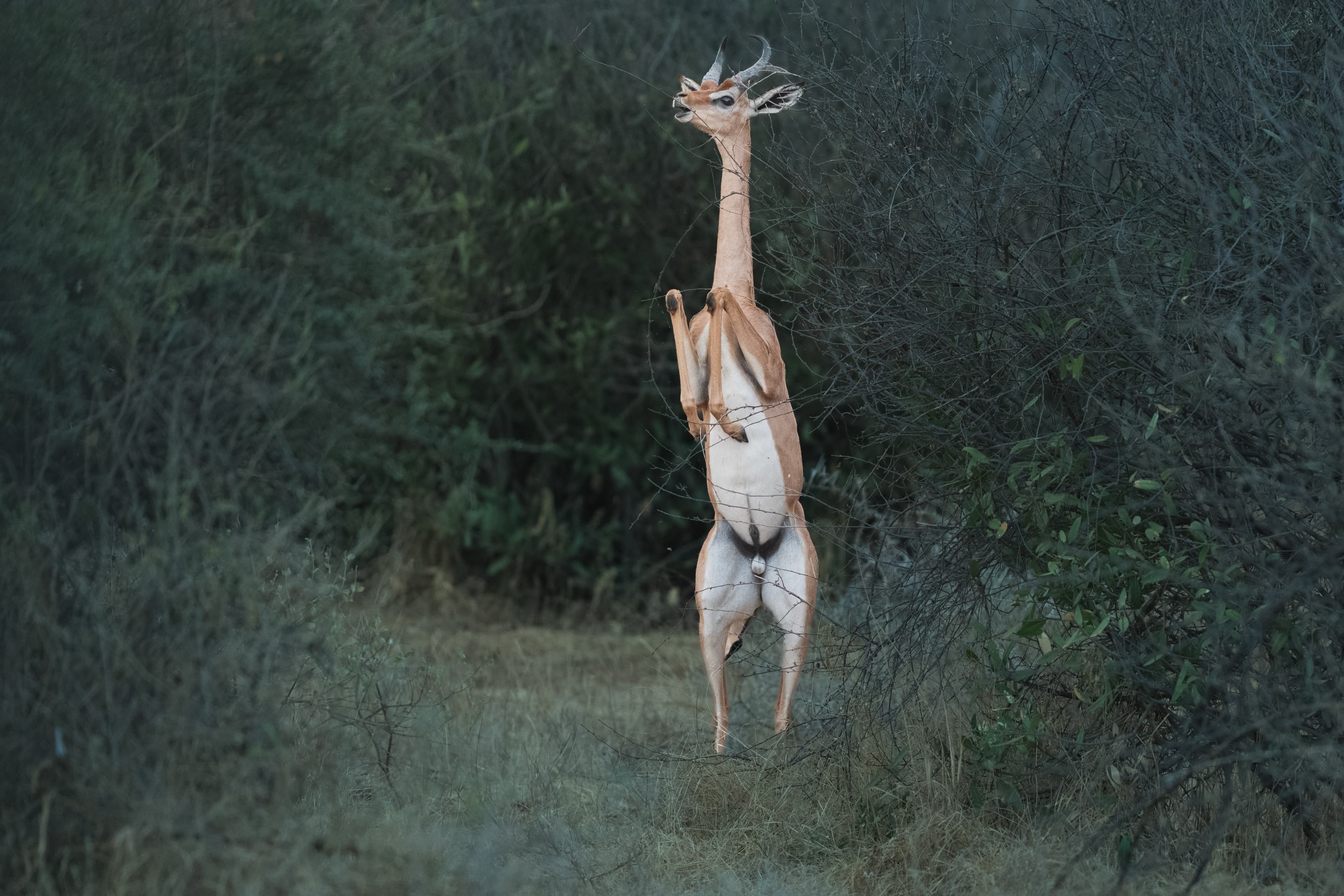
Reticulated giraffe · Gerenuk · Grévy's zebra · Beisa oryx · Somali ostrich
Big cats
Lion · Leopard · Cheetah
Migration & plains
Blue wildebeest · Plains zebra · African buffalo · Giraffe · Black rhino
Water & birdlife
Hippopotamus · African fish eagle · Pelican · Waterbirds and forest birds · Flamingo
Elephants & landscape
African elephant
A visit to a Samburu community, included in the Journey.
We look for these when conditions and animal movement allow. We do not promise sightings.
Photographic approach
Built for photography, not adapted for it.
This is a photography journey, not a sightseeing tour that allows cameras. The days are shaped around the first and last hours of light, and around staying with animals long enough for behaviour to develop.
Two vehicles, and never more than four guests in each, means room to work — space for long lenses, clear shooting lines, and the freedom to wait rather than move on.
We do not promise sightings. We plan for opportunity: being in the right landscape, at the right time of year, with the time and the working space to respond when something happens.
Rhythm of the Journey
How the fourteen days move.
Days 1–2
Samburu
Arrive into the dry north and settle into a landscape held together by one river.
Days 3–4
Lake Naivasha
Down to a Rift Valley lake — a change of pace, worked partly from a boat.
Days 5–6
Maasai Mara
Open grassland on the Kenyan side of the migration, and its resident cats.
Days 7–8
Northern Serengeti
Cross into Tanzania and follow the Mara River through the north of the Serengeti.
Days 9–10
Central Serengeti
Into the Seronera country — high predator density, granite kopjes, the migration passing through.
Day 11
Ngorongoro / Karatu
Overnight in the highlands and drop into the crater for a morning on its floor.
Days 12–13
Amboseli / Kilimanjaro
Back to Kenya for elephant country beneath the mountain, then the road to Nairobi on the final day.
Day 14
Return to Nairobi and onward travel.
Detailed daily timings, transfers and border crossings are in the client itinerary.
The group
Eight guests. Two vehicles.
A maximum of eight guests, travelling in two safari vehicles, with no more than four to a vehicle.
The reason is working space. Four to a vehicle means room for equipment, a clear line to photograph, less competition for the same opening, and the flexibility to reposition for one person's shot without disrupting everyone else.
Thinking about photographing East Africa this way?
Enquire about this JourneyWhere we stay
Chosen for the landscape, not the brochure.
Camps and lodges are chosen for each departure for their access to the landscape, their position in the photographic rhythm of the route, and comfort at the end of long days in the field.
Specific properties can change between departures and are confirmed in the client itinerary rather than advertised here.
From the field
The route is built on field knowledge.
What Nature in Wild brings is not just a good itinerary — it is years of watching how these landscapes actually behave.
Some of these landscapes hold lives we keep long-term records of. Noma, a known male cheetah of the Greater Mara, ranges across the Mara–Serengeti country this Journey travels — which is not a promise you will meet him.
More work from these landscapes lives in the Photography archive.
Practical information
The essentials.
- When to travel
- The Journey runs on a recurring July–September window — the period the Mara–Serengeti wildebeest migration is typically in the north of the ecosystem and river crossings are possible. Conditions vary year to year.
- Vehicle
- Game drives use a 7-seat pop-top 4×4, with a roof hatch for photography.
- Guiding
- The Journey travels with an English-speaking driver-guide and a Chinese-speaking photography guide.
- Meals
- Full board on safari.
- Drinking water
- Bottled water is provided in the vehicle.
- Insurance
- Comprehensive travel insurance is mandatory.
- Physical level
- Low — long game drives on rough roads; no trekking is required.
- Photography level
- Suitable for enthusiast and experienced photographers; the pace is built around light and wildlife activity.
- Length
- 14 days, 13 nights.
- Countries
- Kenya and Tanzania, by road.
- Group
- A maximum of eight guests, travelling in two vehicles — no more than four to a vehicle.
- Accommodation
- Camps and lodges are chosen for each departure for their access to the landscape and the rhythm of the photography. Specific properties are confirmed in the client itinerary.
- Pricing
- On enquiry. The Journey runs as scheduled small groups and as private departures.
What is included
What the Journey covers.
Included
- Safari vehicle throughout — a 7-seat pop-top 4×4 on safari, with road transfers; fuel, driver and park entry included.
- Accommodation as specified in the itinerary.
- All meals as specified (full board on safari).
- Park and reserve entry fees, and conservation and overnight fees, for the parks visited.
- An English-speaking driver-guide and a Chinese-speaking photography guide throughout.
- Drinking water in the vehicle.
- Kenya flying-doctor emergency medical evacuation cover.
- Digital East Africa travel and wildlife handbooks.
- A pre-departure briefing and an on-arrival briefing.
- Included experiences: a Samburu community visit and a Ngorongoro Crater game drive.
Not included
- International flights.
- Visas for Kenya and Tanzania, and the yellow-fever certificate fee.
- Travel insurance (mandatory).
- Gratuities for the guiding team and camp staff.
- Personal expenses — laundry, drinks, telephone and similar.
- Optional activities not in the itinerary, for example golf, horse riding or cycling.
- Hot-air balloon flights (offered at some camps) — treated as optional; inclusion status to be confirmed.
- Costs arising from delays, weather or other events outside our control.
- Travel from home to the Journey's start point.
Enquire
Plan this Journey.
Journey 01 runs as scheduled small groups and as private departures on the July–September window. Pricing is on enquiry.
Tell us when you are thinking of travelling, who you are travelling with, and what you most want to photograph. We use that to shape the right version of the Journey — a set departure, or a private one built around your dates and your subjects.
Designed in the field by Nature Zi. Operated on the ground by Bobu Africa.